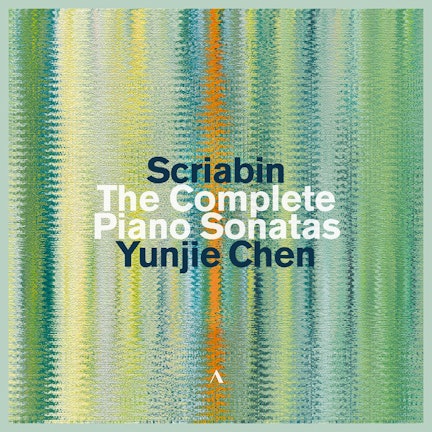
The blossoming of piano sonatas in Russia from the early 1900s, by composers like Rachmaninoff and Prokofiev, is largely attributed to the influence of Scriabin's sonatas.
Composer's Artistic Vision
Scriabin's creative output is generally divided into three stylistically recognizable periods, moving from Chopin's influence to a more complex, personal language, and finally to the relinquishment of the tonal system.
Composer Biography
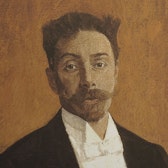
Alexander Scriabin was a controversial figure whose original and innovative works were cloaked in spiritualism and mysticism, inspired by a synaesthetic concept of art.
Composition History
Scriabin's Sonatas No. 6 through 10 were conceived as studies or fragments for his unfinished multi-sensory mystic work, Mysterium, which was intended to be performed in a hemispheric temple on the Himalaya.
Composer Biography
Scriabin, despite having very small hands, damaged his right hand irreparably from intense study in an effort to improve his piano performances, leading him to compose Sonata No. 1 as a 'cry against God, against fate'.
Compositional Technique
In his final period (1908-1914), Scriabin moved beyond tonality, using superposed fourths, whole-tone, and octatonic scales, and defining the famous 'mystic chord'.
Performer Biography
Pianist Nuccio Trotta's innate predisposition for Scriabin's music was noted by international masters, including Sergei Dorensky, the former director of the Moscow Conservatory.