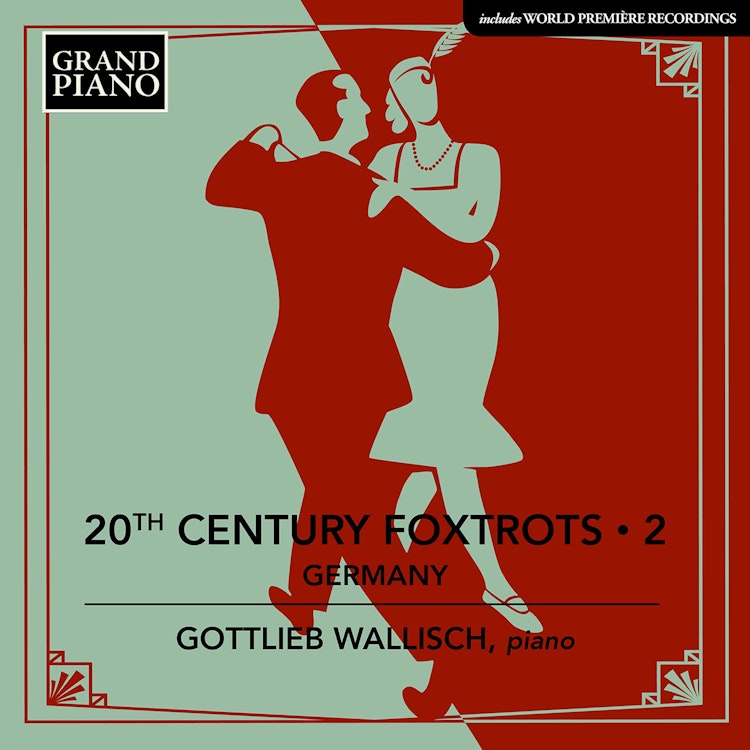
Gottlieb Wallisch is a Steinway Artist and became the youngest professor at the Geneva University for Music in 2010, later becoming a piano professor at the Berlin University of Arts in 2016.
Composer's Artistic Vision
Kurt Weill, known for his "Threepenny Opera," used jazz and dance elements not just as movements but as integral parts of his style, aiming to awaken audiences rather than soothe them, similar to Bertolt Brecht's theatrical distancing effect.
Performer Biography
Pianist Gottlieb Wallisch made his debut in the Golden Hall of the Vienna Musikverein at age twelve and launched his international career at seventeen, performing Beethoven's 'Emperor' Concerto with Yehudi Menuhin.
Composer's Artistic Vision
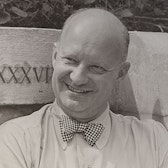
Paul Hindemith, an early adopter of syncopated rhythms, defended his use of foxtrots in his compositions by equating them to gavottes or gigues in Bach's time.
Historical Context
After World War I, Europe experienced a "jazz pandemic" of new dances from overseas, which Stefan Zweig called the "Monotonisation of the World" due to America's monopoly in light entertainment.
Compositional Technique
Bernard Sekles, director of the Hoch Conservatory, initiated the first academic jazz studies in 1928 and was one of the first European composers to integrate jazz elements into classical forms, as seen in his "Kleiner Shimmy."
Historical Context
In Germany, the spread of jazz was controversial, with conservative composers like Hans Pfitzner claiming it encouraged "human instincts hostile to culture," and right-wing propaganda linking it to foreign occupation.
You might also enjoy...
Tales of the Jazz Age
Copland, A.: 4 Piano Blues / Piano Sonata / Gershwin, G.: 3 Preludes / Songs