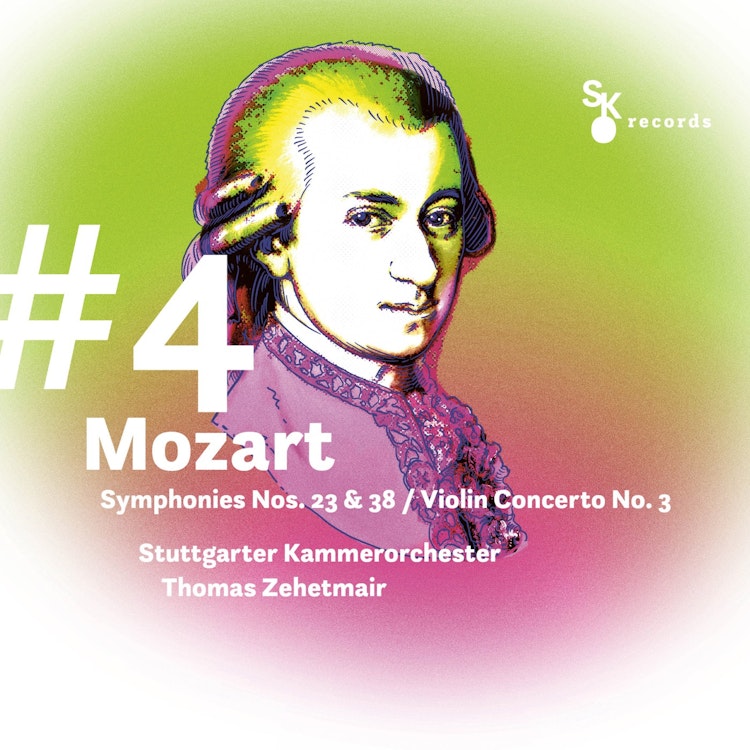
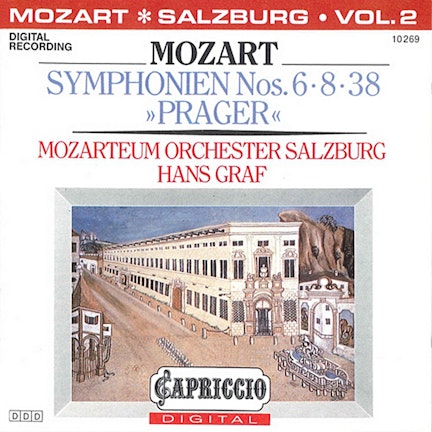
Mozart's Symphony No. 38, the 'Prague' Symphony, was composed between his operas 'The Marriage of Figaro' and 'Don Giovanni', and he presented it in Prague in 1787 while conducting 'Figaro'.
Critical Reception
During his lifetime, Mozart was criticized by figures like Hans Georg Nägeli, a renowned Swiss publisher and music theorist, for using contrasts to achieve effect, which divided audiences.
Compositional Technique
The finale of Mozart's Violin Concerto No. 3, KV 216, is notable for its use of contrasts, including a sudden slow G minor Gavotte that introduces the popular 'Strasbourgeoise' melody, earning it the nickname 'Strasbourg Concerto'.
Compositional Technique
Mozart's music is deeply human, and unlike Beethoven, he was not fond of the 'development' section in sonata form, believing that human-like characters could not simply be taken apart and reassembled.
Compositional Technique
The 'Prague' Symphony is unusually contrapuntal for Mozart, with even the slow movement strictly following sonata form, and all musical material deriving from the main theme.
Composition History
Mozart's Violin Concerto No. 3, KV 216, composed in 1775, is considered his first work to integrate operatic, dramatic elements into symphonic and concertante music.
Composer's Artistic Vision
Mozart's symphonies, concertos, and chamber music are described as 'absolute music theatre' because they are full of operatic singing, with themes and motifs acting as characters.
You might also enjoy...
Hida-Takayama Virtuoso Orchestra Concert 2017
Haydn, M.: Symphonies
Johann Philipp Kirnberger Sinfonias - World Premiere Recordings