In Fučík's march "Die lustigen Dorfschmiede" (The Merry Blacksmiths), two anvils join the orchestra during the C major Trio section and play until the end of the piece.
Composer Biography
Julius Fučík, the composer, initially studied violin but switched to bassoon, his own instrument, which he later featured as a soloist in his comic polka, "Der alte Brummbär."
Recording & Production
This album was recorded using 24-bit / 96 kHz technology, which provides a dynamic range up to 48 dB greater and 256 times the resolution of standard 16-bit recordings.
Cultural Impact
Fučík's "Einzug der Gladiatoren" (Entry of the Gladiators) is universally known as the soundtrack for circus Big Tops and wrestling bouts, despite being originally written to evoke Roman splendor.
Composition History
Fučík's famous march, "Einzug der Gladiatoren" (Entry of the Gladiators), was inspired by Henryk Sienkiewicz's novel "Quo vadis," which describes Roman gladiators entering an amphitheater.
Composer Biography
Julius Fučík, the composer, was a pupil of Antonín Dvořák, a renowned Czech composer, at the Prague Conservatory.
Performer Biography
Neeme Järvi, the conductor, has amassed a discography of nearly 500 recordings and has championed less widely known composers alongside the great masters.
You might also enjoy...
International Salute
Chabrier: Joyeuse marche - Berlioz: La Damnation de Faust - Ravel: Ma mère l'Oye
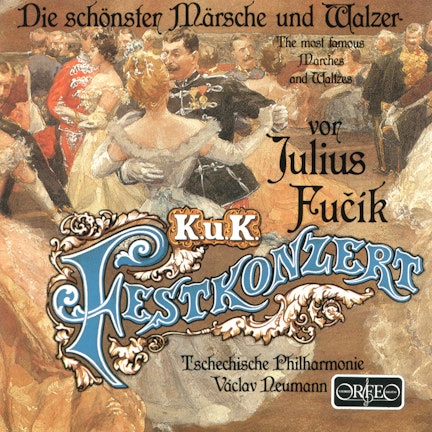
Fučík: Marches & Waltzes
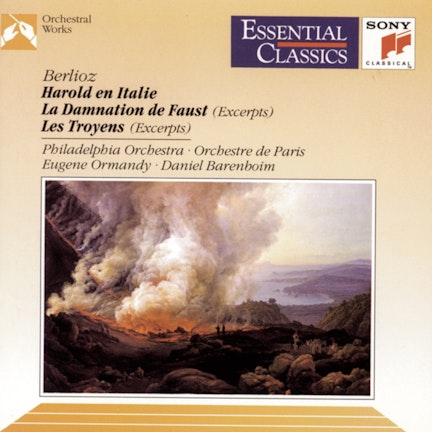
Berlioz: Harold in Italy, Three Orchestral Pieces From La Damnation de Faust, more
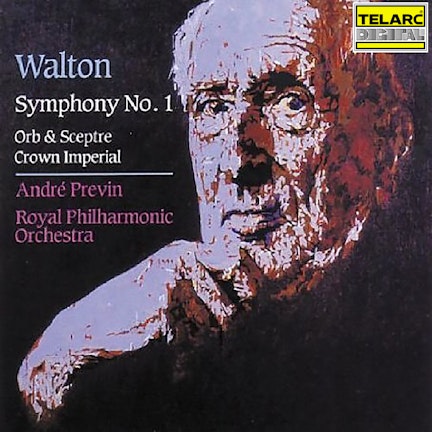
Walton: Symphony No. 1 in B-Flat Minor, Orb and Scepter & Crown Imperial
Marce & Dance
Orchestra Music - Erkel, F. / Muller, J. / Weber, C. / Strauss Ii, J. / Delibes, L. / Suppe, F. / Pazeller, J.
Stars & Stripes: Fanfares, Marches & Wind Band Spectaculars
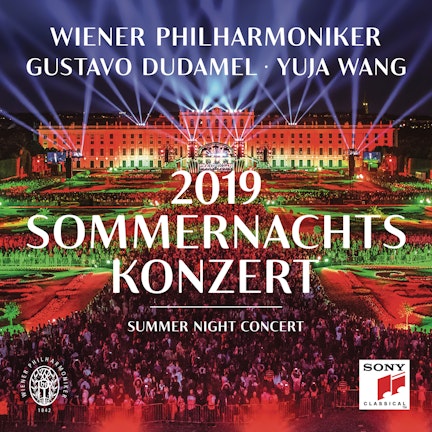
Sommernachtskonzert 2019 / Summer Night Concert 2019