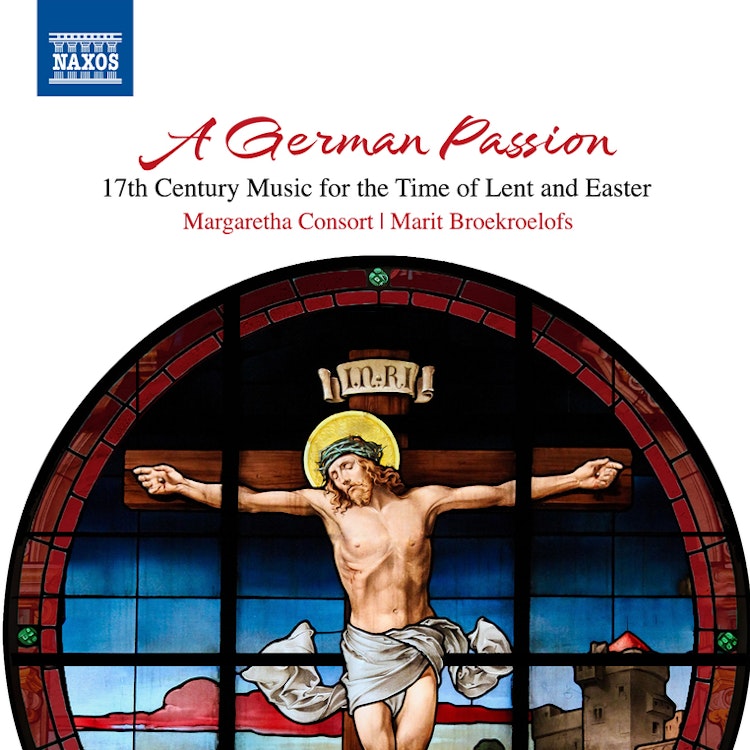
17th-century North German church music was performed in grand settings, such as the Marienkirche in Lübeck, which was over 100 meters long and featured three enormous organs.
Compositional Technique
The Italian poly-choral style, which created a stereo effect by placing two alternating choirs at a distance from each other, was adopted in 17th-century Germany.
Interpretation
17th-century musical practice was highly pragmatic and improvisational; performances were often adapted based on available musicians, and improvisation was common.
Interpretation
This album's performance closely approaches 17th-century practice, treating the score as a starting point and allowing for deviations, improvisations, and varied instrumentation.
Recording & Production
The recording utilized the church's acoustics by carefully positioning singers and instrumentalists and choosing tempi to ensure clarity and transparency, captured by just two miniature microphones.
Performer Biography
Marit Broekroelofs, the Dutch viol player and artistic leader of Margaretha Consort, seeks color, sound, effect, and affect, making historically informed yet unique decisions guided by liturgical use.
Performer Biography
Sietze de Vries, an internationally active concert organist, is known for his improvisation skills across all styles and his deep knowledge of the Northern German School, which led to his collaboration with Margaretha Consort.
You might also enjoy...
Müthel Complete Organ Music
Into Nature - Vivaldi Seasons and Other Sounds from Mother Earth
Vecchi: Missa in Resurrectione Domini - Motets - Canzoni
Merulo: Missa in Dominicis Diebus / Toccata / Magnificat