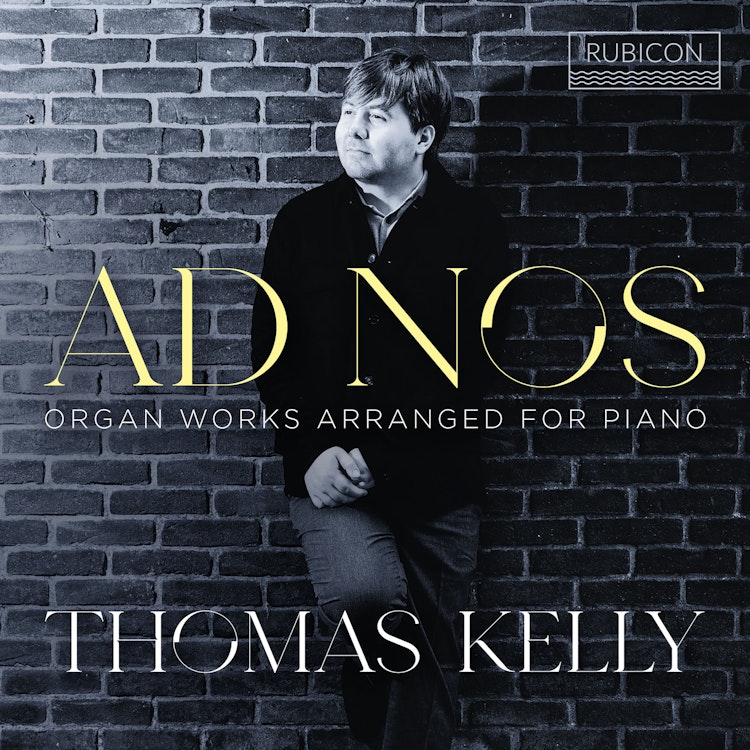
Liszt's 'Ad nos' was premiered in Merseburg Cathedral on September 26, 1855, by Alexander Winterberger, whose virtuosity inspired its formidable technical demands.
Composition History
Franz Liszt composed his monumental Fantasy and Fugue on the chorale 'Ad nos, ad salutarem undam' in 1850, during his Weimar years, a period of radical experimentation.
Compositional Technique
Liszt's 'Ad nos' is a prime example of his thematic transformation technique, where a single musical idea is continuously reshaped to create a coherent multi-movement structure.
Composer Biography
Julius Reubke, composer of the Sonata on the 94th Psalm, was the son of renowned organ builder Adolf Reubke and a gifted pupil of Franz Liszt.
Composition History
Julius Reubke's Sonata on the 94th Psalm was written in 1857, just a year before his untimely death at the age of 24, and remains his most enduring legacy.
Composition History
Johannes Brahms composed his Eleven Chorale Preludes, Op.122, including 'Herzlich tut mich verlangen,' in the final year of his life as a deeply personal musical testament.
Composer's Artistic Vision
César Franck declared in 1889 that he would write organ chorales "just as Bach did, but on quite a different plan," completing his Trois Chorals shortly before his death.
You might also enjoy...
Festival International de Piano La Roque d'Anthéron 2023