Scarlatti was named maestro di cappella at the Cappella Reale in Naples in 1684, a city that was then a Spanish viceroyalty at the foot of Mount Vesuvius.
Composer Biography
Alessandro Scarlatti, born in Palermo in 1660, began his prolific career at age 18, composing his first oratorio and opera within weeks of his first professional appointment.
Performer Biography
Dorothee Oberlinger, the recorder player and director of Ensemble 1700, has received numerous national and international awards, including Opus Klassik and Echo Klassik Awards.
Critical Reception
Johann Adolf Hasse, a later court Kapellmeister in Dresden, reportedly described Alessandro Scarlatti as 'the greatest master of harmony in Italy and, hence, in the entire world'.
Compositional Technique
Scarlatti often used a three-movement "Sinfonia" (fast-slow-fast) as an instrumental overture to his longer vocal works, a model that influenced the development of the Classical symphony.
Instruments
In Scarlatti's Naples, the recorder (flauto dolce) was a popular solo instrument, often used to mimic a human voice, singing wordless arias and recitatives.
Composer's Artistic Vision
Alessandro Scarlatti, considered a "Baroque influencer," was highly influential in European musical life from the late 17th to the 18th century, particularly in opera and the secular cantata.
You might also enjoy...
Porpora: Violin Sonatas Nos. 1-12
Porpora: Violin Sonatas
Galuppi: Concerti à 4
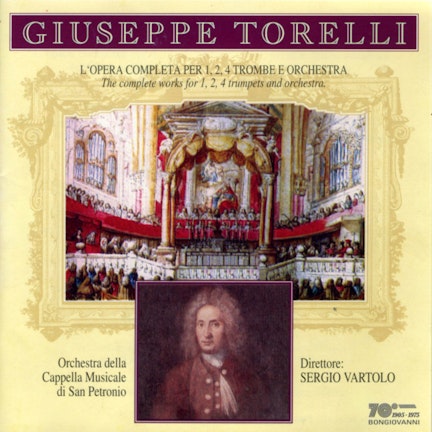
Torelli: The Complete Works for 1, 2, 4 Trumpets & Orchestra
How Are The Mighty Fallen: Choral Music by Giovanni Bononcini
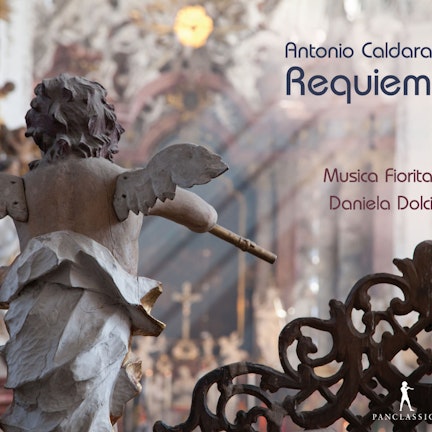
Caldara: Requiem
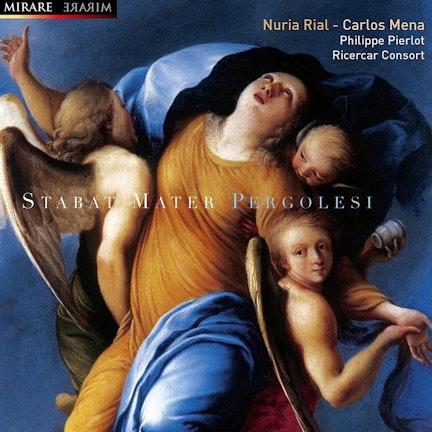
Pergolesi: Stabat Mater
Albinoni: Balletti à 3, Op. 3
Giordani: Harpsichord Concertos
Vivaldi/Galuppi: Motets
Pergolesi: Stabat Mater / Scarlatti: Stabat Mater; 6 Concerti grossi