Alkan: 12 Etudes in All the Minor Keys, Op. 39 (Excerpts)
11/1/2019, 7 Tracks, 1:18:32
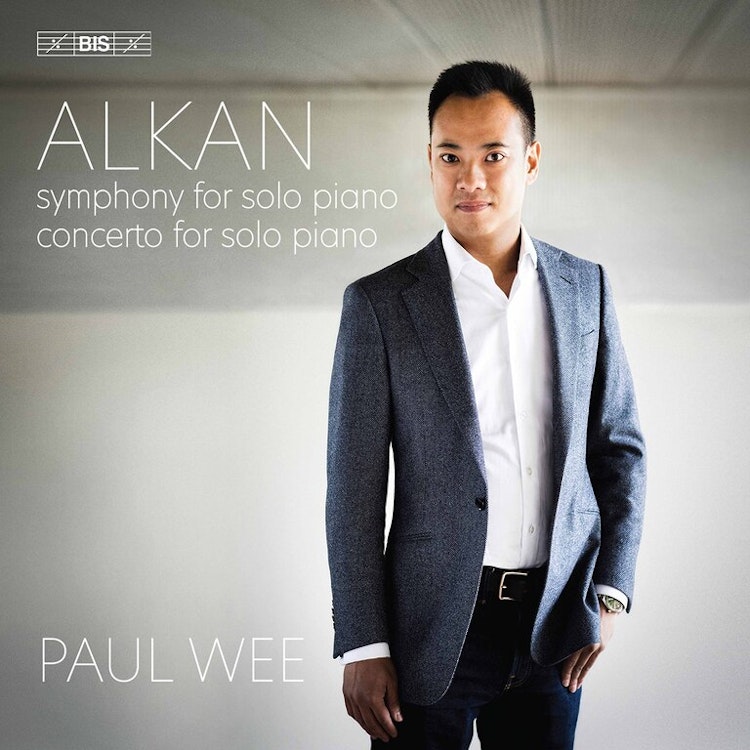
Pianist Paul Wee performs the music of Charles-Valentin Alkan, one of 19th-century France's great piano virtuosos yet a relatively obscure figure today. His Symphony and Concerto for Solo Piano were both written as part of a set of twelve studies published in 1857, yet their epic nature means that they fully justify their titles. Wee calls these works "a celebration of the piano and its capabilities."
Featuring
Paul Wee
Charles Valentin Alkan
Did you know?
1/7
Composer's Artistic Vision
Alkan composed almost exclusively for the piano, demonstrating a formidable grasp of form, melody, drama, and an unprecedented exploitation of the instrument's capabilities.
Composer Biography
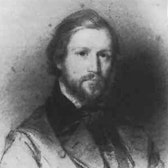
Charles-Valentin Alkan, described as 'the Berlioz of the piano' by Hans von Bülow, instilled fear in Franz Liszt with his command of the keyboard.
Compositional Technique
Alkan's Symphony for Solo Piano and Concerto for Solo Piano are unique in that they recreate the sound-world of an orchestra and the duality of a concerto for solo piano, without any original orchestral versions.
Composition History
The Symphony for Solo Piano and Concerto for Solo Piano were published as seven études within Alkan's Op. 39, titled Douze Études dans tous les tons mineurs (Twelve studies in all the minor keys).
Critical Reception
Alkan's music, once largely forgotten, began to emerge from obscurity in the 1960s and 1970s through the advocacy of pianists like Raymond Lewenthal, Ronald Smith, and John Ogdon.
Composer Biography
After a series of personal and professional setbacks, Alkan withdrew from public life, leading to his music being largely neglected for decades after his death.
Composer's Artistic Vision
Alkan's 'Symphony for Solo Piano' and 'Concerto for Solo Piano' were created as a celebration of the piano and its capabilities, pushing the instrument's limits for substantive musical purposes.
You might also enjoy...
Alkan: Concerto for Piano Solo
Leopold Godowsky: 18 Studies On Chopin Etudes
Alkan: Symphonie / Ouverture / Etudes, Op. 39
Alkan: The Twelve Etudes In Minor Keys
Leopold Godowsky: 22 Studies on Chopin's Études, for the Left Hand Alone
Godowsky, L.: Godowsky Edition (The), Vol. 4 - 53 Studies On the Chopin Etudes