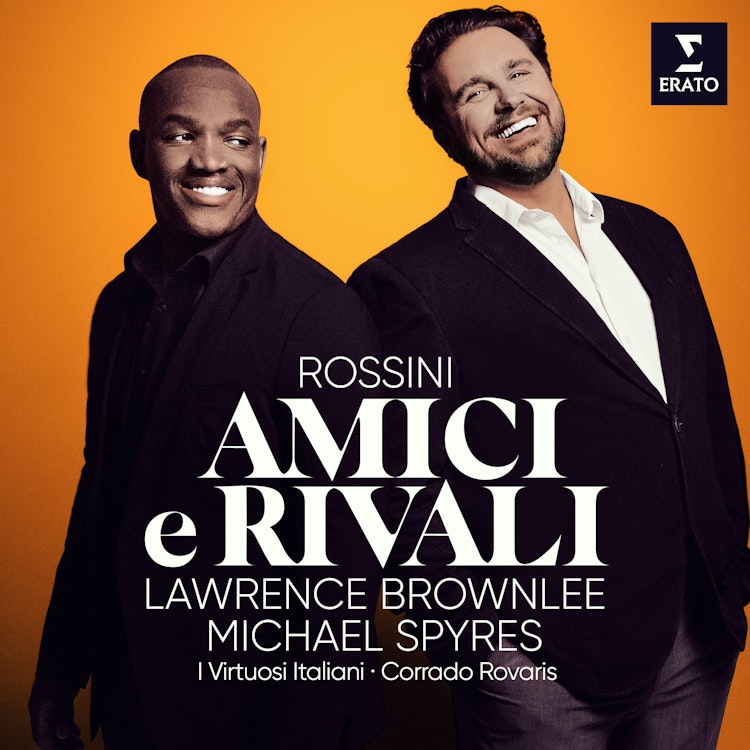
Rossini's opera Elisabetta, regina d'Inghilterra, composed in 1816, recycled passages from his earlier work, Il barbiere di Siviglia.
Compositional Technique
Andrea Nozzari, a tenor who started as a 'tenore di grazia,' evolved into a 'baritonal tenor' with a more powerful lower range after an illness, while Giovanni David was known for his brilliant top register and florid style.
Compositional Technique
The casting of two tenors in Rossini's operas was dramatically viable due to their markedly different vocal characteristics, which Rossini reflected in his writing for them.
Composition History
Andrea Nozzari and Giovanni David, two contrasting tenors, appeared together in five of Rossini's operas for Naples, including Otello, Ricciardo e Zoraide, and La donna del lago.
Compositional Technique
In Rossini's time, the tenor voice was characterized by sweetness, supreme facility in florid passagework, and top notes sung closer to falsetto than the chest voice that later became standard.
Historical Context
Rossini's operas for Naples adhered to the conventions of opera seria, which precluded the informal, comedic interactions found in works like Il barbiere di Siviglia.
Composer Biography
Isabella Colbran, a major attraction in Rossini's Neapolitan operas, was the mistress of impresario Domenico Barbaja and later became Rossini's wife.
You might also enjoy...
Ataneli, Lado: Baritone Arias
Operetta Arias: Thomas Hampson
Bryn Terfel - Opera Arias
Erkel: Bank Ban (Excerpts) / Hunyadi Laszlo (Excerpts)
Great Singers Live: Hermann Prey
Richard Tucker and Eileen Farrell - Great Duets from Verdi Operas
Great Duets from Verdi Operas
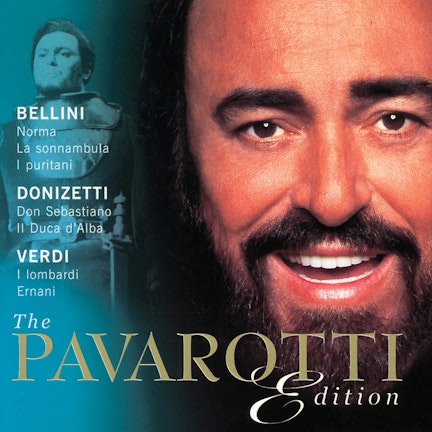
The Pavarotti Edition, Vol.2: Bellini, Donizetti, Verdi