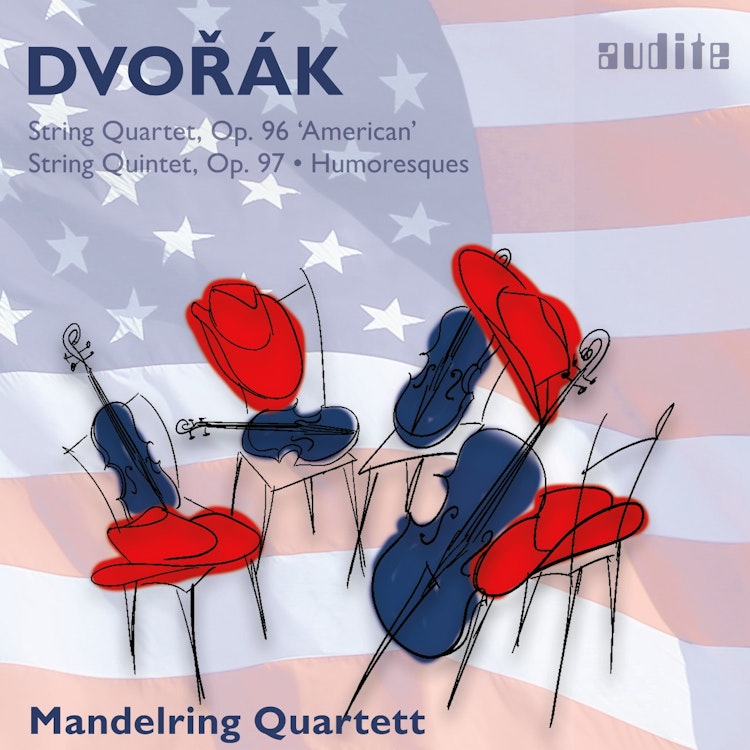
Dvořák, despite his enthusiasm for America, missed his homeland and spent the summer of 1894 in Bohemia, where he composed the Humoresques, Op. 101.
Composition History
Dvořák composed the String Quartet in F major, Op. 96, known as the 'American' Quartet, in Spillville, Iowa, a village with a Czech emigrant community, where he sought refuge from city noise.
Composer Biography
Antonín Dvořák, the composer, moved to New York in 1892 to become the director of the National Conservatory of Music, earning a salary 25 times higher than his previous position in Prague.
Performer Biography
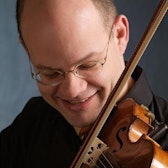
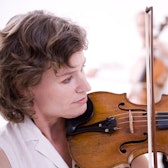
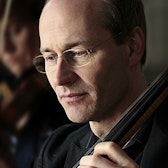
The Mandelring Quartett has won prizes at major competitions like the ARD International Music Competition and the Premio Paolo Borciani, and has toured extensively across Europe, North and South America, and Asia.
Compositional Technique
Dvořák's 'American' works, including the String Quartet and Quintet, incorporate stylistic devices like simple structures, repetitions, and pentatonic scales, which he believed exuded an 'American spirit' without directly quoting folk melodies.
Performer Biography
Roland Glassl, the violist performing on this album, was a member of the Mandelring Quartett for 16 years and is now a professor at the University of Music and Theatre in Munich.
You might also enjoy...
Dvořák: String Quartet No. 12 in F Major, Op. 96, B. 179 "American"
Dvořák: String Quartet No. 12 in F Major, Op. 96 "American"