Until the 1870s, French musical life was dominated by opera, with instrumental music often seen as anti-French or pro-German due to its prevalence among German composers.
Critical Reception
Fauré's Sonata No.1 in A major for violin and piano, Op.13, premiered in 1877, was hailed by Saint-Saëns as placing Fauré "at the level of the masters."
Compositional Technique
Ravel's Berceuse sur le nom de Gabriel Fauré features a muted violin playing a theme based on Fauré's name spelled out in English note-names, and explores dissonance and bitonality.
Composition History
Fauré had to give up all commercial rights to his Sonata No.1 to Breitkopf & Härtel in Leipzig for its publication, meaning he received no payment when virtuosos performed it.
Composer's Artistic Vision
Maurice Ravel, despite believing the violin was "fundamentally incompatible" with the piano, composed his Sonata in G major for the two instruments, aiming for economy of means and emphasizing their independence.
Composition History
Camille Saint-Saëns founded the 'Société nationale de musique' in 1871 to champion French chamber music, as composers previously had no means of having their instrumental works performed.
Composer Biography
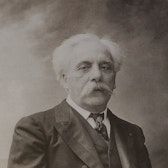
Gabriel Fauré admitted that without the 'Société nationale de musique', he would not have considered composing a sonata or quartet.
You might also enjoy...
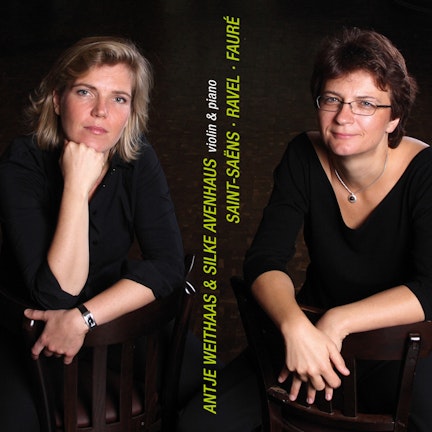
Saint-Saëns, Ravel & Fauré: Violin Sonatas
Saint-Saëns, Ravel & Fauré: Violin Sonatas
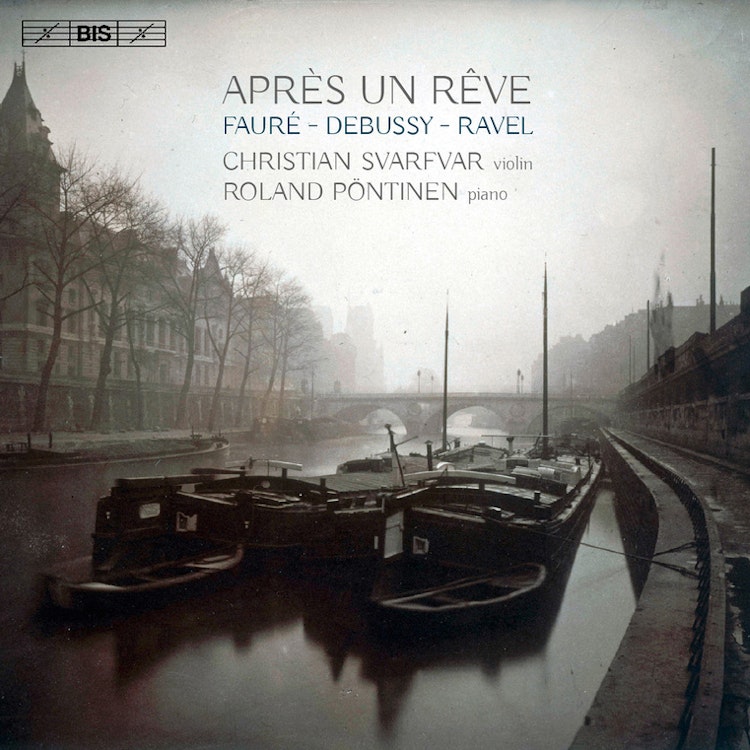
Fantasque - French Violin Sonatas by Fauré, Debussy, Ravel & Poulenc