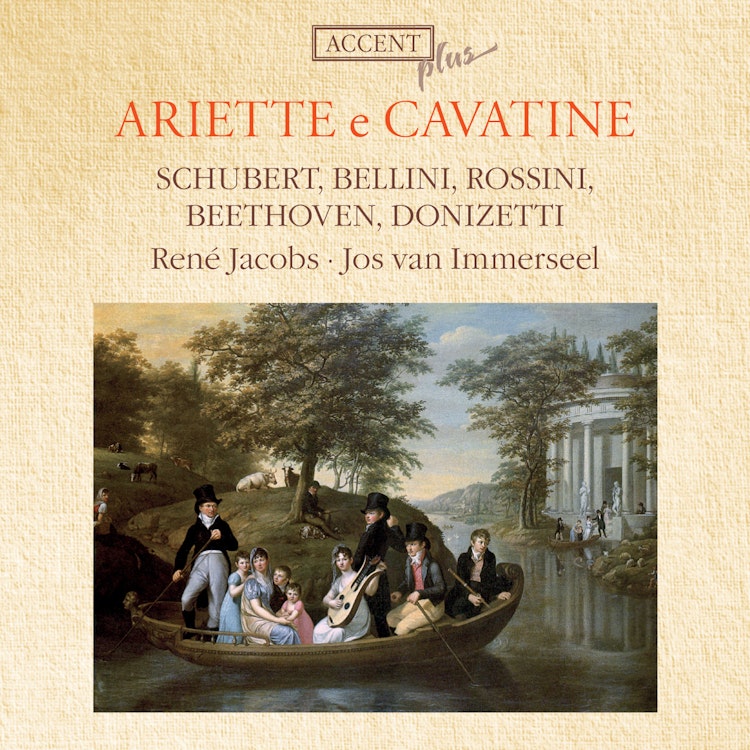
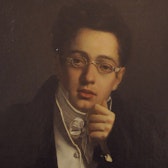
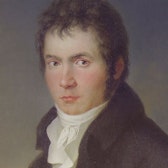
Beethoven wrote a series of canzonettas between 1793 and 1802 and submitted them to Salieri (Antonio Salieri, an Italian classical composer) for revision, though Salieri's improvements were limited to text disposition.
Critical Reception
The critic Escudier said of Bellini's favorite singer, Giovanni-Battista Rubini, that his art was so perfect the transition from head-voice to other registers was imperceptible to the listener.
Composition History
Donizetti's "Ah rammenta, Oh bella Irene" is a virtuoso chamber aria in the form of an operatic cavatina.
Composer's Artistic Vision
Rossini, annoyed by castrato Giovanni-Battista Velluti's colorful decorations in his opera Aureliano in Palmira, decided to write out all decorations himself from then on.
Historical Context
The period of Italian Bel Canto, which experienced its last peak at the end of the 18th and beginning of the 19th centuries, was a time when the counter-tenor was thought to have been "pensioned off."
Composer Biography
Giovanni Davide, a primo tenore (principal tenor) for whom Rossini wrote many roles, developed chest and falsetto voices of equal strength and had a "prodigious compass of three octaves comprised within four B-flats."
Compositional Technique
Castrati developed both their chest and falsetto voices equally and knew how to combine them, resulting in a much larger compass and more impressive sound than falsettists.
You might also enjoy...
Ireland: The Songs
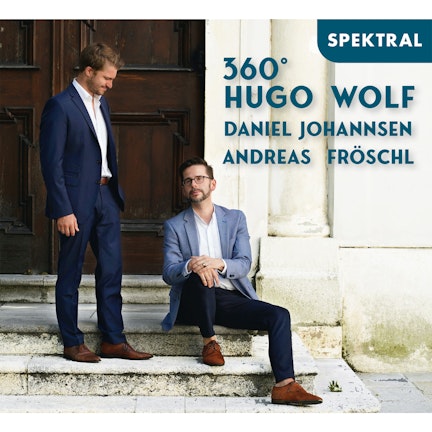
360° Hugo Wolf
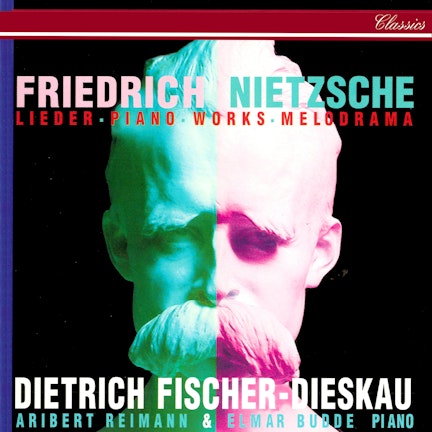
Nietzsche: Lieder, Piano Works & Melodramas
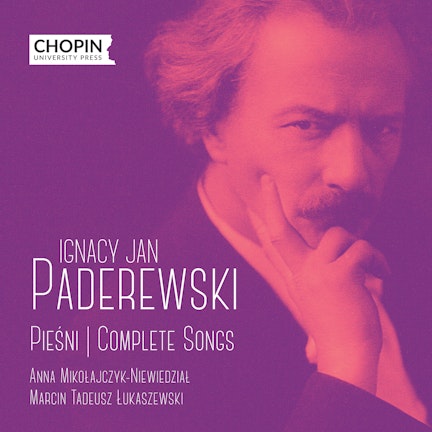
Ignacy Jan Paderewski: Pieśni
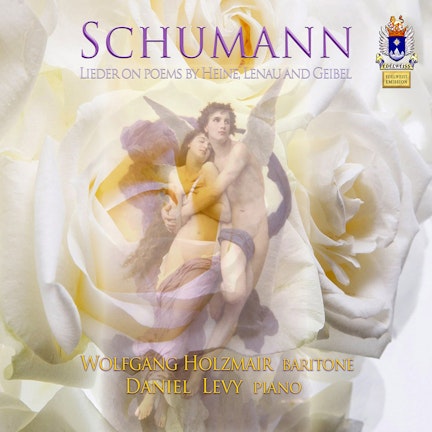
Schumann: Lieder on Poems by Heine, Lenau & Geibel
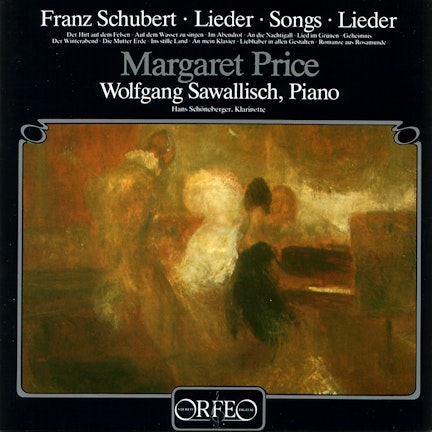
Schubert: Lieder
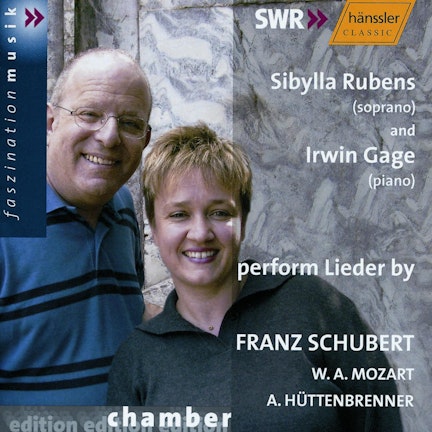
Mozart / Schubert / Huttenbrenner: Lieder
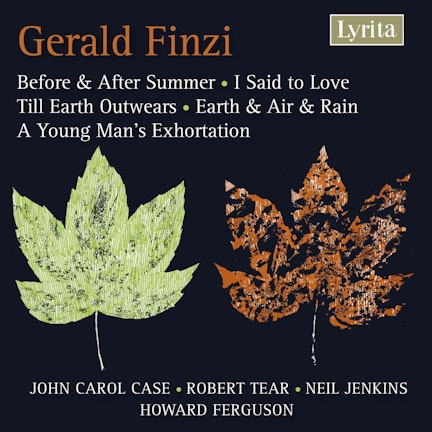
Finzi: Before and after Summer - Till Earth Outwears - I said to Love
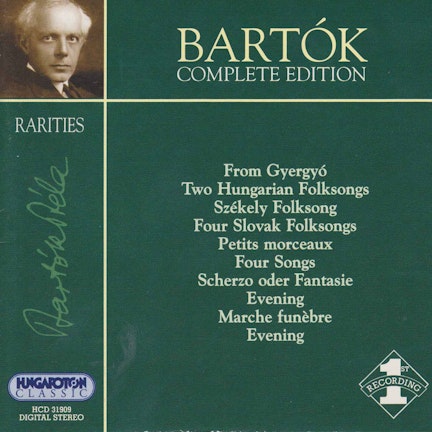
Bartok: Complete Edition - Rarities, First Recorded
Fusz: Songs
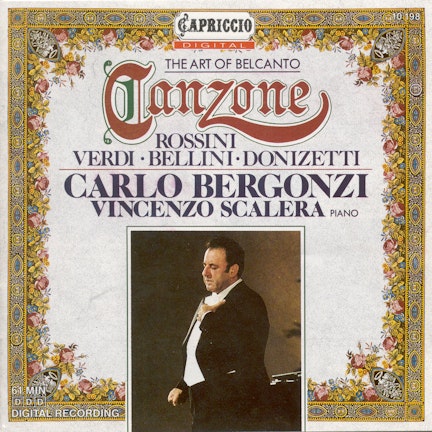
Vocal Recital: Bergonzi, Carlo – Verdi, G. / Bellini, V. / Donizetti, G. / Rossini, G.