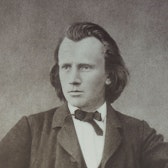
Schoenberg, an amateur cellist and conductor, believed his orchestration of Brahms's Piano Quartet was an 'unexpected tribute' to a masterpiece that needed a larger form to express its full richness.
Cultural Impact
Brahms's Piano Quartet No.1, as orchestrated by Schoenberg, was used by George Balanchine for his 1966 abstract ballet, 'Brahms-Schoenberg Quartet'.
Composer's Artistic Vision
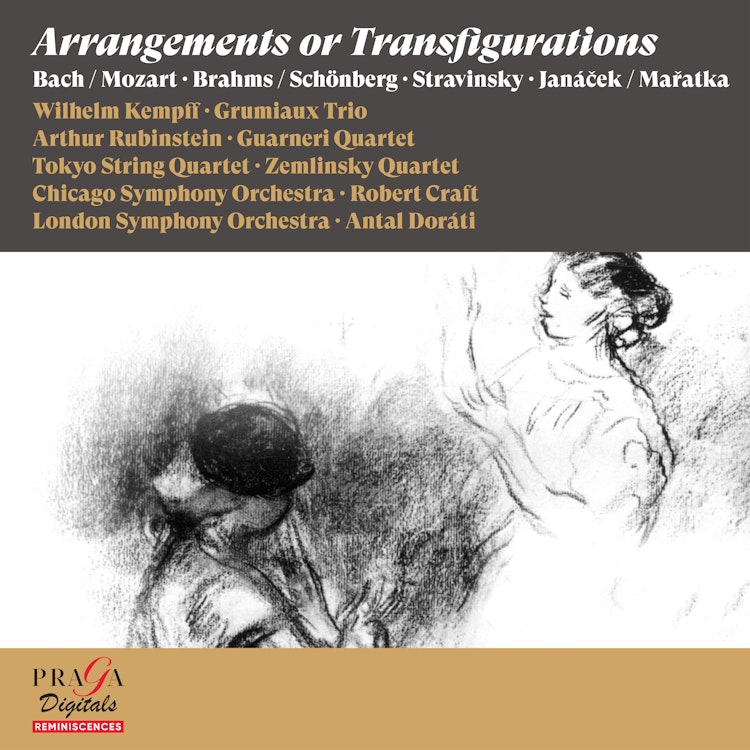
The album explores how great composers like Mozart, Schoenberg, and Stravinsky adapted or reinterpreted works by their predecessors, illustrating the art of transcription or transfiguration.
Critical Reception
Arnold Schoenberg's orchestration of Brahms's Piano Quartet No.1 for large orchestra was met with 'sarcasm and incomprehension' and even 'denunciation of a sacrilege' by some.
Composition History
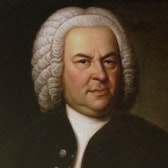
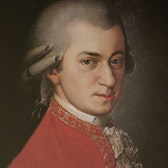
Mozart adapted material from Bach's Well-Tempered Clavier for string quartet to practice the art of fugue, a common practice in his time.
Compositional Technique
Kryštof Mařatka's arrangement of Janáček's wind sextet 'Mládí' for string quartet involved adapting the musical discourse to be faithful to Janáček's own quartet writing, sometimes modifying elements.
Performer Biography
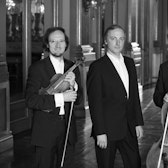
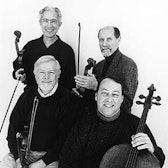
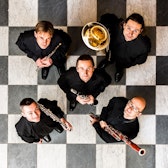
The Zemlinsky Quartet, founded in 1994, has won numerous international awards, including the 1st Grand Prize at the Bordeaux International String Quartet Competition in 2010.
You might also enjoy...
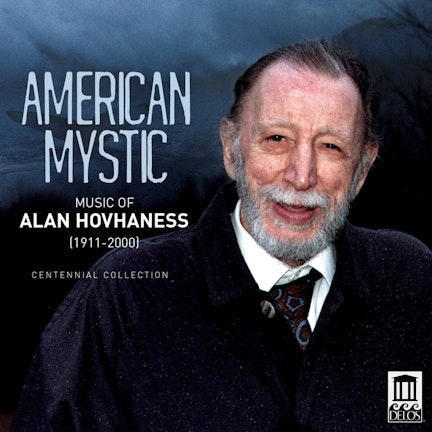
American Mystic
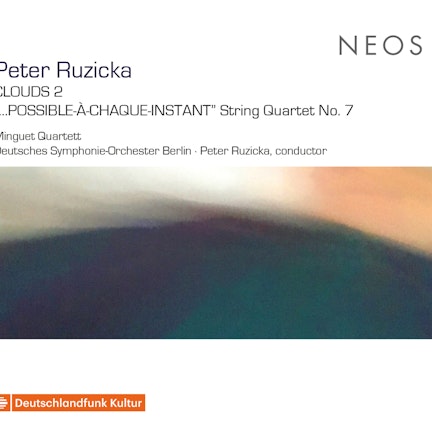
Peter Ruzicka: Clouds 2 & String Quartet No. 7 "...Possible-à-chaque-instant"
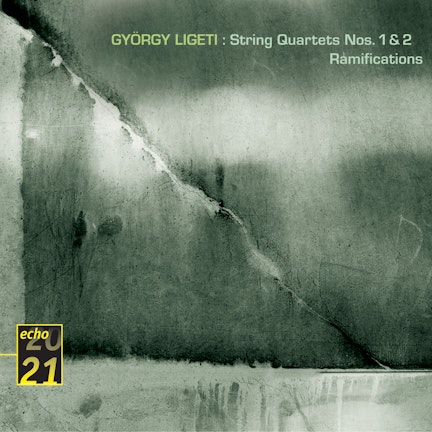
Ligeti: String Quartets / Ramifications etc
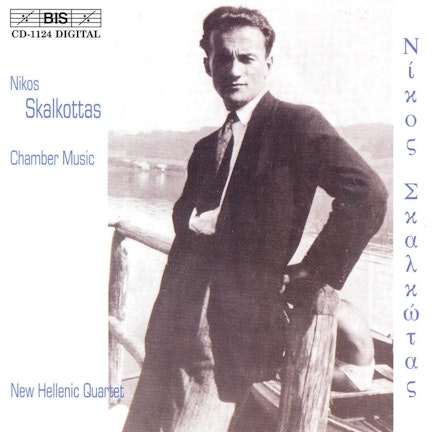
Skalkottas: Chamber Music
Rasmussen, S.: String Quartets Nos. 1-2 / Violin Concerto No. 1 / Echoes of the Past / Grave