After a performance of his Seventh Symphony in Copenhagen, Atterberg felt so disgraced by the negative reviews that he decided to rename it 'Sinfonia romantica' to further infuriate his critics.
Composition History
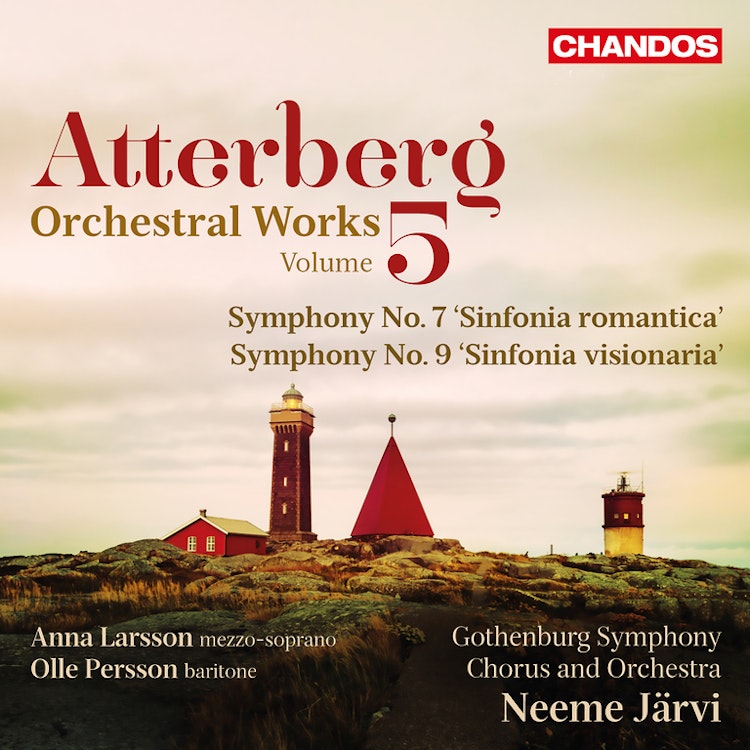
Atterberg's Symphony No. 7, 'Sinfonia romantica', was originally conceived with the intention of incorporating a 'slumber song' from his opera Fanal to provoke the 'musical police' of his time.
Composer Biography
Kurt Atterberg, the composer, won a worldwide composition competition in 1928, arranged by the American record company Columbia, for his Sixth Symphony, earning him $10,000.
Composer's Artistic Vision
Atterberg referred to his Symphony No. 9, 'Sinfonia visionaria', as a 'symphony of evil' and used a twelve-note motive, a technique he generally disliked, to evoke destructive forces.
Compositional Technique
Despite being a single-movement work, Atterberg's Symphony No. 9, 'Sinfonia visionaria', is one of his longest symphonies, lasting thirty-five minutes.
Composition History
Atterberg physically removed the fourth movement from the score of his Seventh Symphony in 1969, believing it was too long and detracted from the other movements.
Performer Biography
Anna Larsson, the mezzo-soprano on this recording, made her international debut in Mahler's Second Symphony with the Berliner Philharmoniker under Claudio Abbado in 1997.
You might also enjoy...
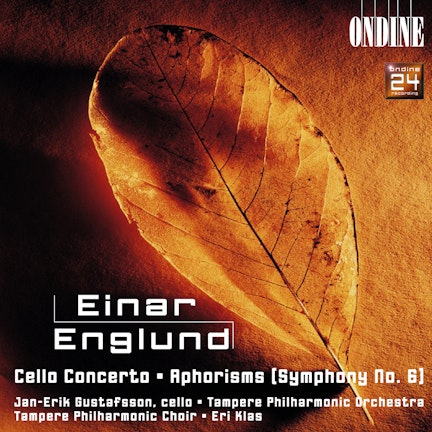
Englund, E.: Cello Concerto / Symphony No. 6
Dan Locklair: Orchestral Works
Graener: Orchestral Works, Vol. 3
American Portraits
Agrell, Zellbell, Johnsen: Solo Concertos
Brian: Orchestral Music, Vol. 2
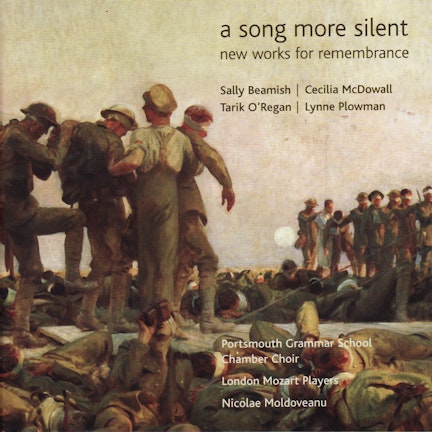
A Song More Silent - New Works for Remembrance
Lanzaetti: 6 Solos After an Easy and Elegant Taste - Cello Sonatas Nos. 1-6