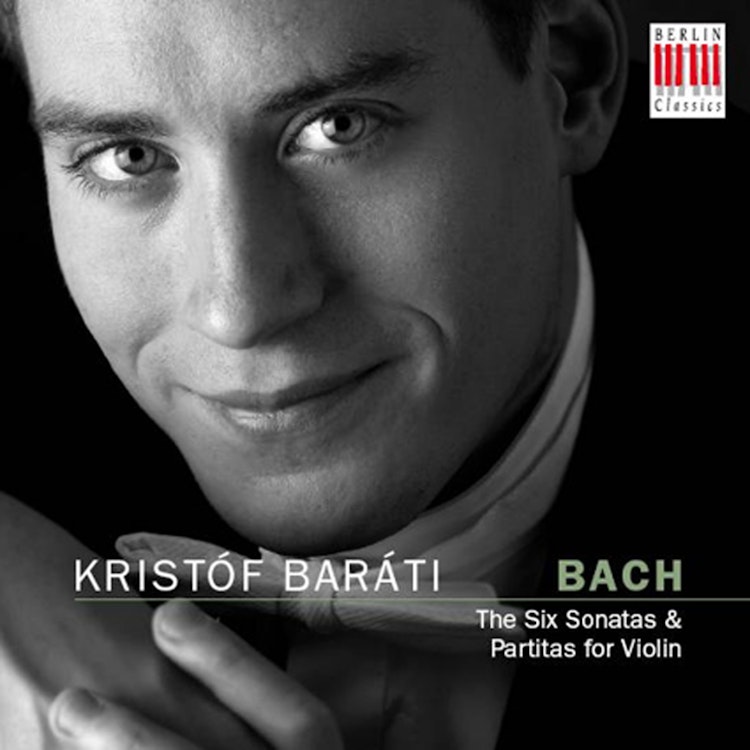
Bach's Sonatas and Partitas for solo violin explore the potential of polyphony on the instrument with unprecedented consistency, making the violin seem to accompany itself or play duets.
Compositional Technique
Bach's longest fugue, in the 3rd Sonata, was written for the violin, an instrument that "actually" cannot play real fugues, showcasing his bold reinterpretation of the form.
Composer Biography
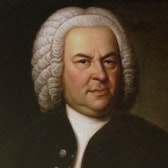
Johann Sebastian Bach, revered as a master of keyboard instruments, first learned the violin and was a respectable violinist, even serving as concertmaster at the Weimar court.
Performer Biography
Kristóf Baráti, the violinist on this recording, plays a 1703 Stradivarius named "Lady Harmsworth," provided by the Stradivari Society.
Composition History
The autograph of Bach's Sonatas and Partitas for solo violin is dated 1720, indicating the compositions were completed by the time Bach was Kapellmeister in Cöthen.
Interpretation
Kristóf Baráti's interpretation aims to blend modern technique and a rich sound with the freshness and structure of historically informed performance, using controlled vibrato and livelier tempi.
Cultural Impact
The Ciaccona from Bach's 2nd Partita is one of the most famous pieces for solo violin, representing an apotheosis of the genre and violin playing.
You might also enjoy...
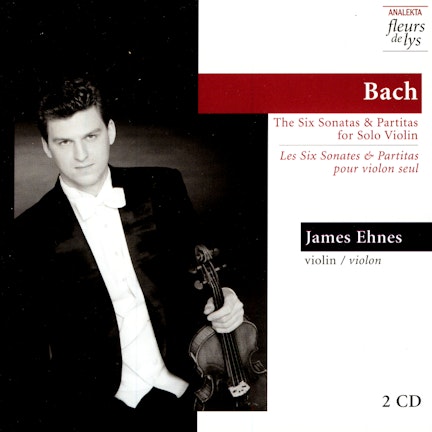
The Complete Sonatas and Partitas for solo Violin
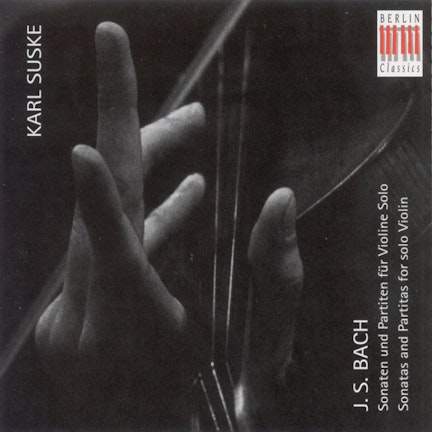
Bach, J.S.: Sonatas and Partitas for Violin Solo
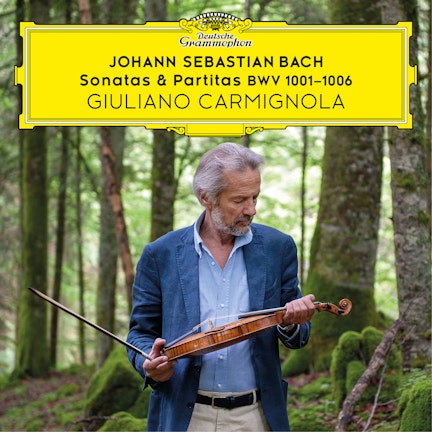
Bach: Violin Sonatas and Partitas, BWV 1001-1006
Bach: Sonaten & Partiten
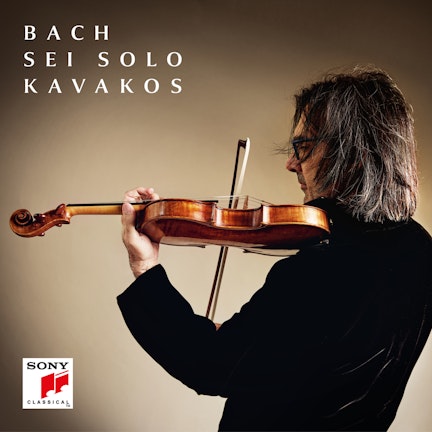
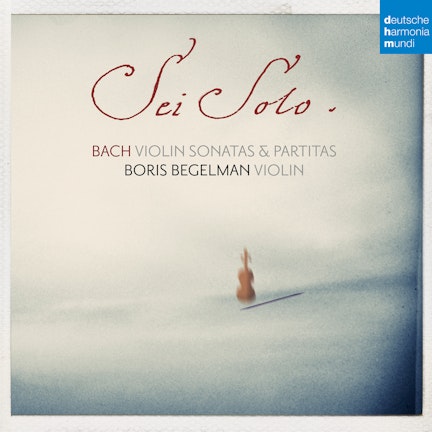
Bach: Sei Solo
Testament: Complete Sonatas and Partitas for Solo Violin by J. S. Bach