Felix Mendelssohn Bartholdy, a prominent figure in musical historicism, actively introduced works by past masters like Bach into contemporary concert life.
Performer Biography
Oliver Kluge, the organist on this recording, was born in Berlin in 1969 and has performed at notable venues such as Bamberg Cathedral and the Ulm Minster.
Composer's Artistic Vision
Composer Hans-Joachim Hespos aims to highlight "non-connections" in his music, believing that anyone who creates connections today is lying, as "we are unable to fit things together."
Compositional Technique
Hespos's "Luftschattengelichte" uses "sound events" or "sound islands" whose order and internal sound design are largely determined by the performer, and it includes "noise boards" (Krachlatten) which the composer says allude to religious rituals.
Notable Performances
Mendelssohn Bartholdy's 1829 performance of Bach's St. Matthew Passion was a decisive turning point, opening the work to public concert life after it was considered unperformable.
Composition History
Hans-Joachim Hespos's work "Luftschattengelichte" was composed in 2011 and is subtitled "Correspondences to the Fantasia which Felix Mendelssohn Bartholdy Performed at the End of His Concert of Works by Johann Sebastian Bach Given at St Thomas Leipzig on 6 August 1840."
Instruments
The Marcussen-Organ at St. Paul's Church in Hanover, built in 1964, features 37 registers across 3 manuals and pedals.
You might also enjoy...
Mozart Organ Works
Bach: Great Organ Works
J.S. Bach: Organ Works, Vol. 5
Johann Sebastian Bach: The Complete Organ Works, Vol. 6 (Trinity College Chapel, Cambridge)
J.S. Bach: Organ Works, Volume III
Jeanne Demessieux - The Decca Legacy
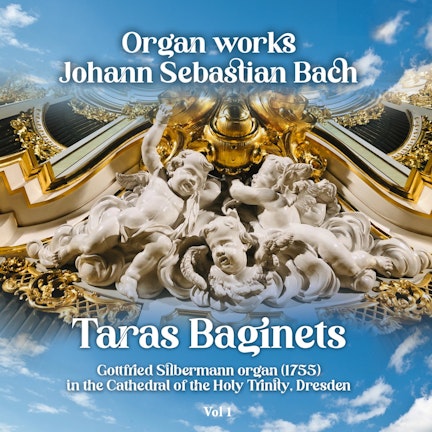
Johann Sebastian Bach: Organ Works Vol. 1 (Gottfried Silbermann Organ from 1755 in the Court Church of Dresden)
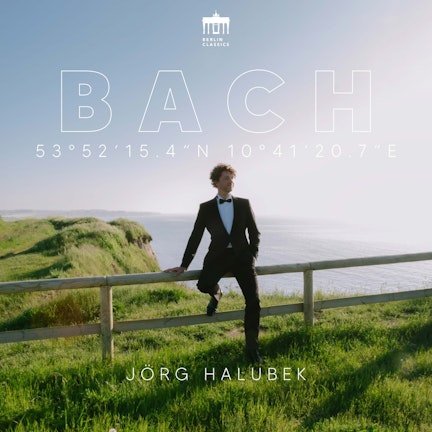
53°52'15.8"N 10°41'19.9"E (Bach Organ Landscapes / Lübeck, Norden & Goslar)