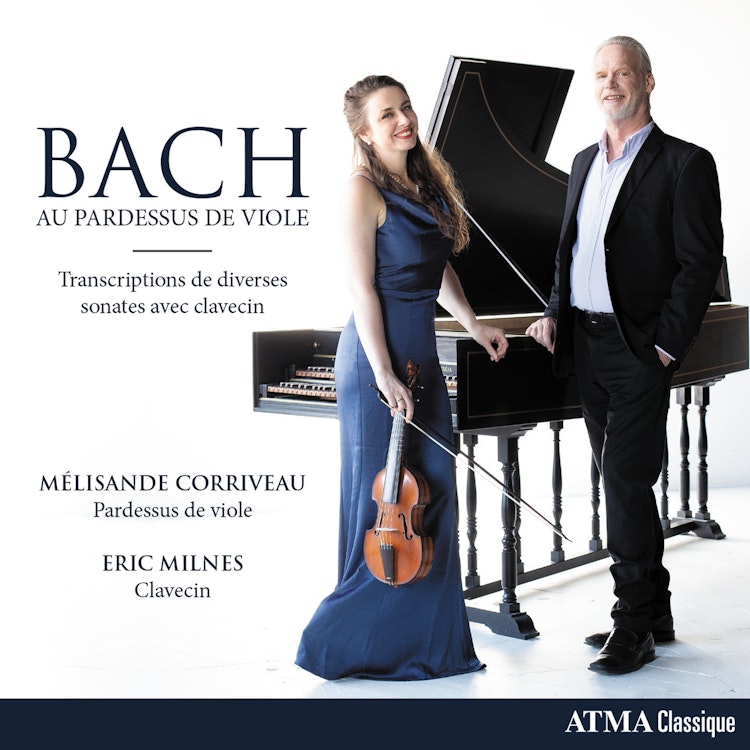
The pardessus de viole, the highest-pitched member of the viola da gamba family, was invented by the French at the end of the 17th century to compete with the violin in chamber music.
Instruments
The pardessus de viole used in this recording was made in 1750 in Paris by Pierre Le Pileur, who was an 'instrument maker' for King Louis XV's musketeers.
Cultural Impact
The pardessus de viole was nicknamed the 'women's violin' because it allowed amateur noblewomen to play music in private without having to learn a difficult new instrument or adopt an unsuitable posture.
Composer's Artistic Vision
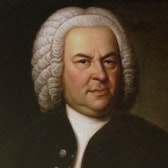
Bach mastered both Italian and French national styles, incorporating them into his counterpoint, and often re-instrumented his own works, prioritizing structure and melodic lines over specific sonorities.
Performer Biography
Mélisande Corriveau, a rare specialist of the pardessus de viole, earned a doctorate from the University of Montreal in 2014 for her study of the instrument.
Compositional Technique
Bach frequently re-elaborated or reused movements from his Organ Sonatas in other compositions, demonstrating his focus on musical structure over fixed instrumentation.
Composition History
Bach's six Trio Sonatas for organ, BWV 525-530, were written between 1723 and 1729 to help his eldest son, Wilhelm Friedemann, develop his finger and foot dexterity.
You might also enjoy...
Les maîtres du Baroque
Purcell Edition Volume 4 : Instrumental Music
Christmas Treasures
Christmas Treasures
La Bergamasca
Telemann in the Tavern
Bach de ville en ville
Trio Sonatas and Variations
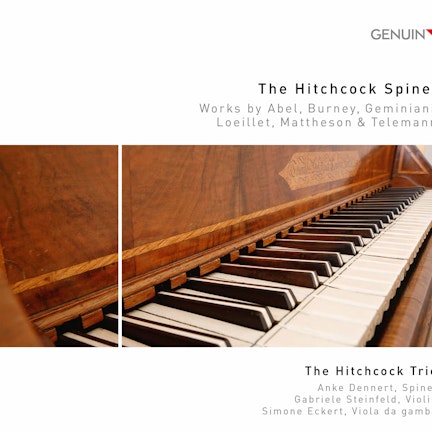
The Hitchcock Spinet: Works by Burney, Telemann & Others
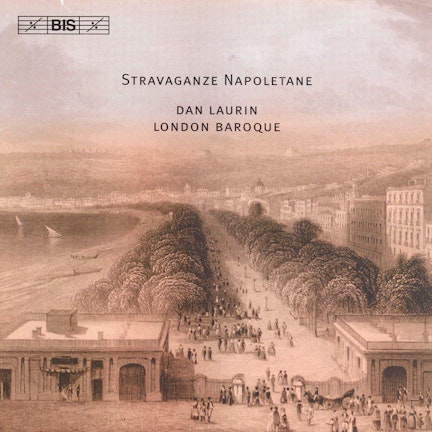
Stravaganza Napoletane
Bach: Brandenburg Concertos; Orchestral Suites; Chamber Music
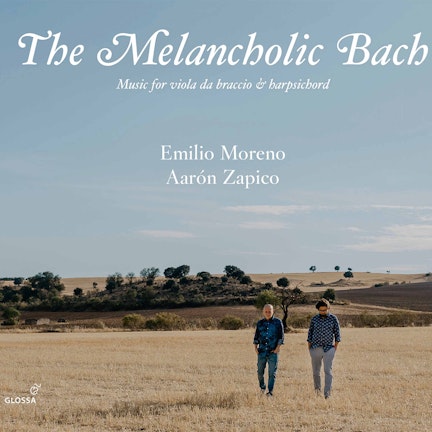
The Melancholic Bach: Music for Viola da braccio and Harpsichord