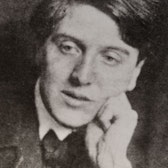
Alban Berg's Piano Sonata in B minor, Op. 1, was his first major work and his only piece for solo piano, composed at age twenty-three in 1908.
Composer Biography
Arnold Schoenberg, a composer on this album, was an autodidact who learned music by studying the works of Bach, Mozart, Beethoven, Wagner, and Brahms.
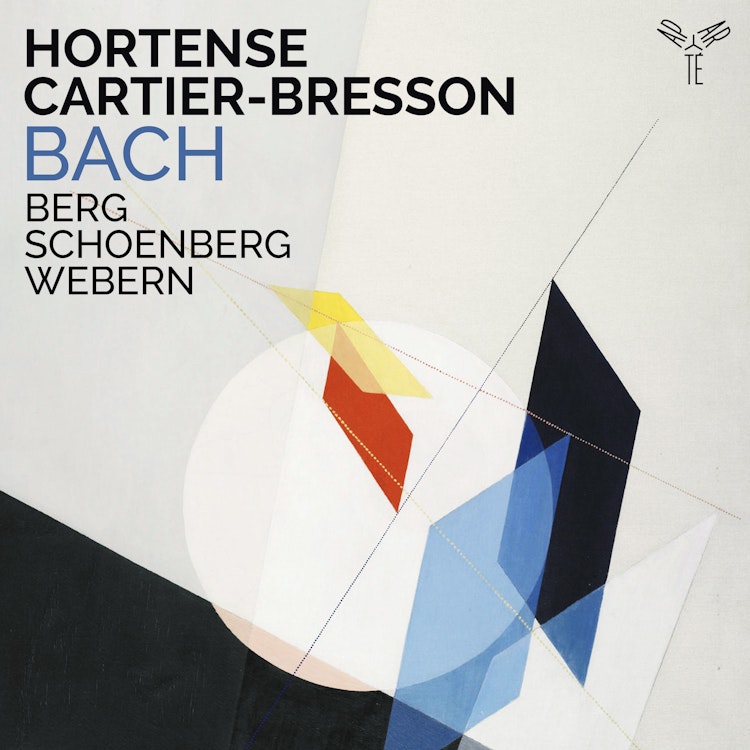
Album & Artwork
The album's program was conceived by Hortense Cartier-Bresson, the performer, who found a spontaneous connection between Bach's Toccatas and the music of the Second Viennese School.
Composer's Artistic Vision
Arnold Schoenberg, a composer featured on this album, believed that no new artistic technique could be created without roots in the past, viewing his music as a natural evolution rather than a revolution.
Interpretation
Anton Webern, a composer featured, conceived his Variations, Op. 27, with a "coolly passionate lyrical expression," despite later interpretations often attributing dryness and intellectualism to his style.
Composer Biography
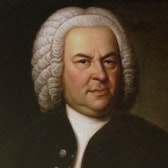
Johann Sebastian Bach, whose Toccatas are featured, was largely self-taught in composition, learning by copying and transcribing works he admired.
Compositional Technique
Arnold Schoenberg's Three Pieces, Op. 11, composed in 1909, include a hidden musical signature: the note E flat (Es in German) appears only at the end of the first section, referencing the first letter of his surname.
You might also enjoy...
Immersed
Jan Čmejla live at Bachfest Leipzig
Bowen, Y.: Piano Works, Vol. 2 - Piano Sonata No. 5 / Fantasia / Evening Calm / 4 Bagatelles
A Pianist Explores Her Jewish Heritage
Satie: Piano Music
Italia
Caprices
Bach & Chick Corea
Dances and Dreams: Piano Music from Around the World
Eric Parkin plays Poulenc Piano Works, Vol. 2
Harald Sæverud: The Complete Piano Music
38ème Festival International de Piano de La Roque d'Anthéron