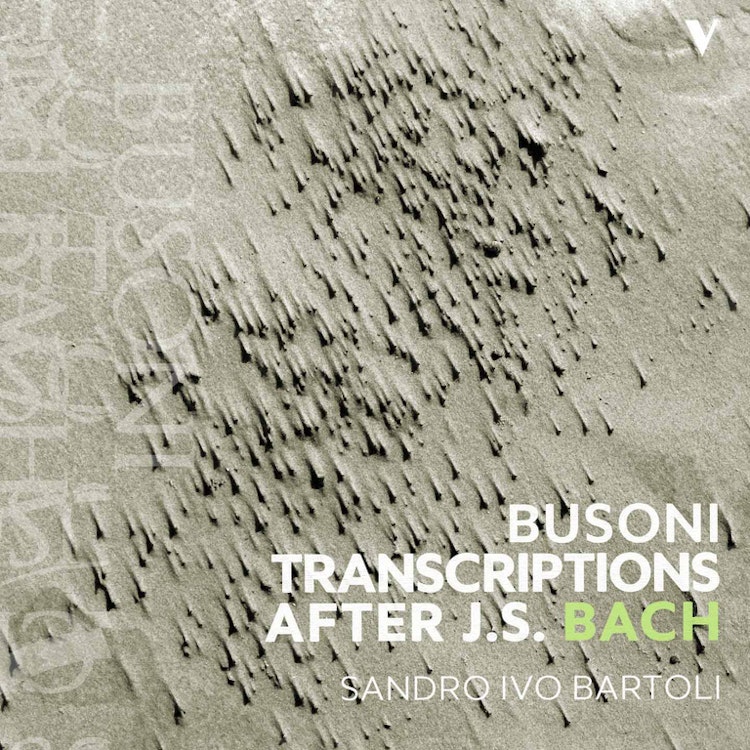
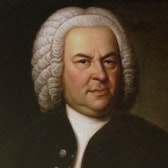
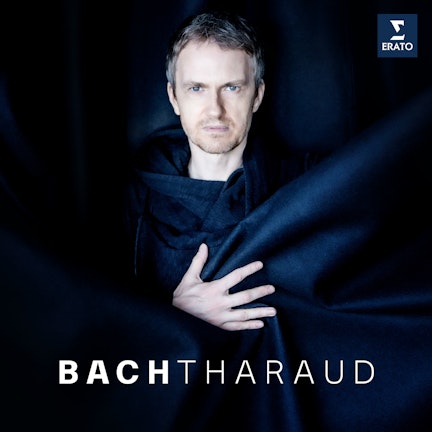
Busoni was inspired to transcribe Bach's Prelude and Fugue in D major BWV 532 for piano after hearing it performed in Leipzig, where Bach had been Kantor.
Composer's Artistic Vision
Busoni believed that the interpretation of Bach's organ pieces on the piano was "essential to a complete pianistic study of Bach" and outlined his transcription procedures in an appendix to his Bach edition.
Compositional Technique
Busoni's piano transcriptions of Bach's organ works heavily intervened on the musical texture to reproduce organ sonorities, using a formidable re-disposition of the musical matter across the keyboard.
Composer Biography
Ferruccio Busoni, an Italian pianist, composer, and thinker, was largely self-taught despite endorsements from figures like Liszt and Rubinstein.
Composer's Artistic Vision
Busoni aimed to push artistic boundaries in search of an ideal beauty of classical proportions, transcending limitations and intolerant of dogmatism.
Critical Reception
Busoni's transcription of the Chaconne from Bach's Solo Violin Partita was initially met with skepticism by Eugen d'Albert, a famous Liszt pupil, who found it "too modern" and unsuitable for two hands.
Cultural Impact
Busoni's work as an editor and transcriber led to his name becoming inextricably linked with Bach's, to the extent that his widow Gerda was often introduced as 'Mrs. Bach-Busoni'.
You might also enjoy...
Rangell, Andrew: A Recital of Intimate Works
Romance
Piano Recital: Rangell, Andres - Scarlatti, D. / Brahms, J. / Ravel, M. / Schubert, F. / Bach, J.S. (A Recital of Intimate Works, Vol. 2)
Legacy
Ricordi
Bach: Suite No. 3, BWV 1068: Aria
Cage: Complete Piano Music Vol. 1
Bach: Choral "Herr unser Herrscher" from Johannes-Passion