Bach's personal goal was to establish 'a well-regulated church music to honour God' in the form of a carefully honed cycle of cantatas for the entire church year.
Compositional Technique
The cantata 'Gottes Zeit ist die allerbeste Zeit' uses a delicate ensemble of two recorders, two viols, and continuo to establish its character.
Composition History
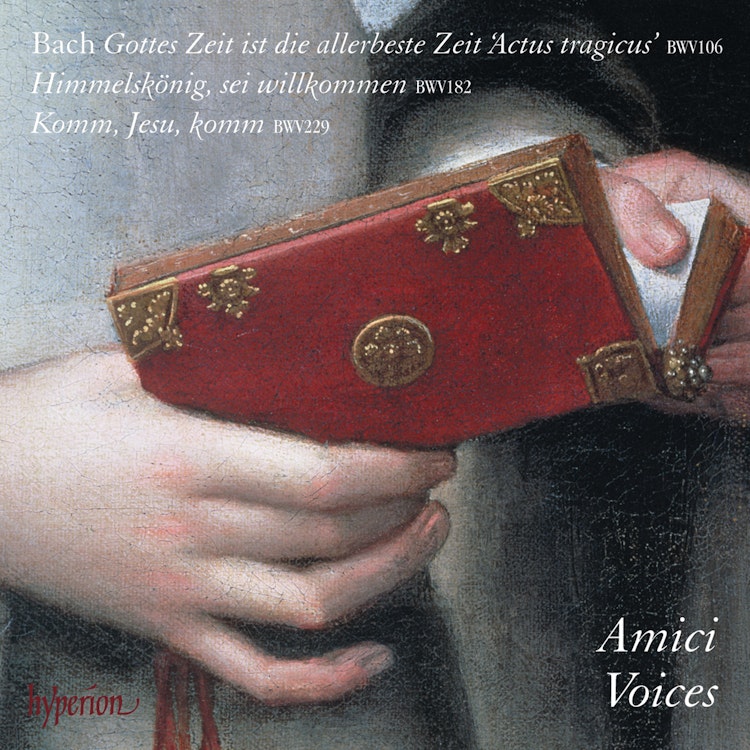
Bach's cantata 'Gottes Zeit ist die allerbeste Zeit' (God's time is the very best time), also known as 'Actus tragicus', was likely composed in 1707 for a funeral.
Composer Biography
Bach's appointment as Konzertmeister in Weimar in 1714 required him to compose one cantata a month for the court chapel, finally giving him regular opportunities to write vocal music for the liturgy.
Compositional Technique
In Weimar, Bach encountered and incorporated newer, self-contained French and Italian musical forms like the sonata, overture, concerto, and da capo aria into his cantatas, which became important parts of his eclectic style.
Composer Biography
Bach composed the majority of his surviving church cantatas, possibly as many as 300, during his first years in Leipzig between 1723 and 1728.
Historical Context
In Bach's time, the cantata was the main musical focus of the Lutheran service on Sundays and feast days, typically performed after the Gospel reading as a musical counterpart to the sermon.