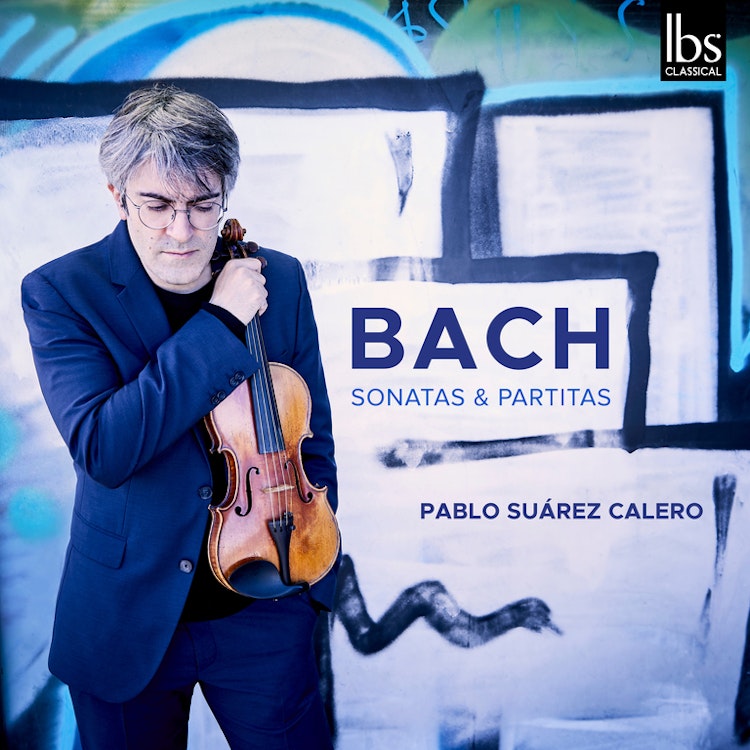
Pablo Suárez Calero performs on a Nicola Gagliano violin, dated 1780 in Naples, strung with gut strings to achieve an authentic 18th-century sound.
Compositional Technique
The sequence of keys in the Sonatas and Partitas forms intervals of 14, which is the numerical value of Bach's name according to gematria.
Recording & Production
The recording was made in the Church of Nuestra Señora de la Paz in Gójar, Granada, with acoustics similar to those found in 18th-century instruments.
Interpretation
This recording by Pablo Suárez Calero includes not only Bach's original music but also contributions from researcher Helga Thoene, who discovered possible chorales suggested by the composer within the movements.
Composer's Artistic Vision
Helga Thoene's research suggests that the Ciaccona of the second partita is a musical epitaph, or 'tombeau', for Bach's first wife, Maria Barbara, who died in 1720.
Composition History
The autograph manuscript of Bach's Six Sonatas and Partitas for solo violin is dated 1720 from Köthen, where Bach worked as chapel master for Prince Leopold of Anhalt-Köthen.
Compositional Technique
Bach's Sonatas and Partitas for solo violin were influenced by both German composers like Johann Paul von Westhoff and Heinrich Ignaz Franz von Biber, and Italian composers such as Arcangelo Corelli.
You might also enjoy...
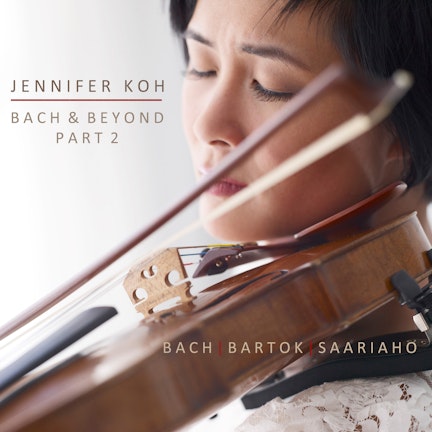
Bach & Beyond, Pt. 2
Bach: Works for Violin
Nathan Milstein: Complete Deutsche Grammophon Recording
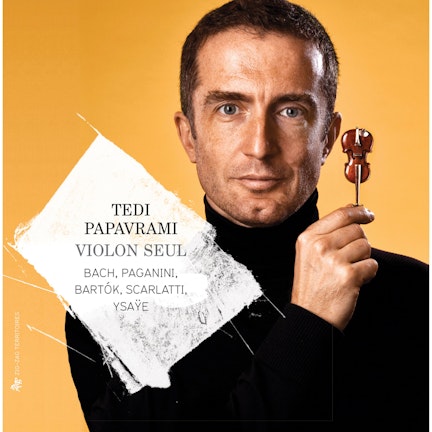
Bach, Paganini, Bartók, Scarlatti & Ysaÿe: Violon seul