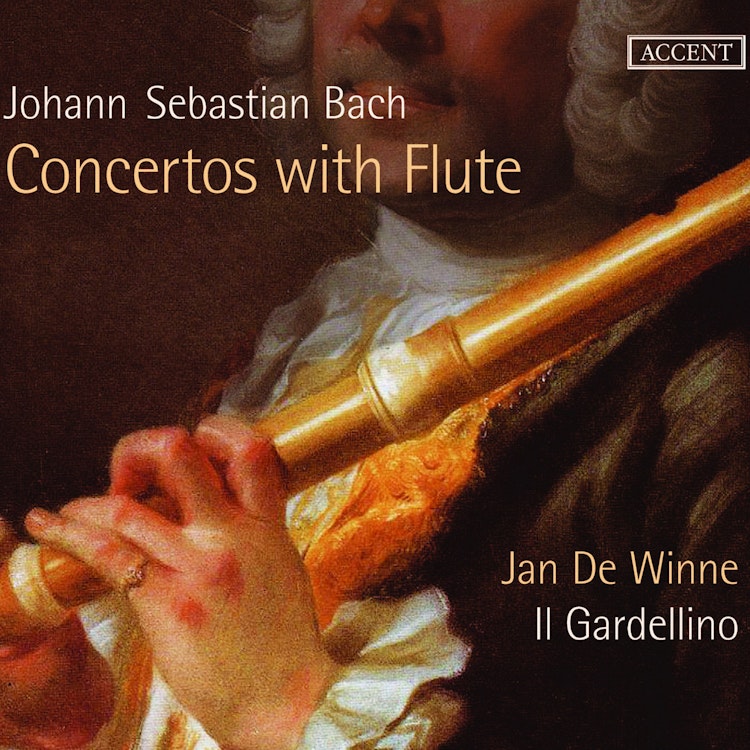
King Frederick the Great, the most prominent 'lay flute player' of the 18th century, composed for the instrument and was taught by the famous flutist Johann Joachim Quantz.
Instruments
In the 17th and 18th centuries, the transverse flute became established, valued for its tender sound in depicting the 'Arcadian idyll' and enabling virtuoso playing due to manufacturing advancements.
Instruments
The transverse flute has a long and fragmented history, with early evidence found in India and on an Etruscan relief, though the playing position has changed over time.
Instruments
The Renaissance marked a 'first blossom' for the transverse flute, with lavishly carved instruments and popular four-part flute ensembles finding their way into courtly circles.
Instruments
The transverse flute lost popularity with the rise of the symphonic style, as its quiet and restrained sound could not compete, until Theobald Böhm developed metal flutes.
Historical Context
During the Middle Ages, flute players were often of a lower social standing, and the instrument's reputation was not helped by its association with being a 'phallic symbol'.
Composer's Artistic Vision
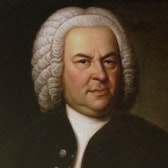
Johann Sebastian Bach's flute compositions are considered a culmination of their time due to their contrapuntal content and the immense technical challenges they pose to the flutist.
You might also enjoy...
Telemann: The Concerti-en-suite
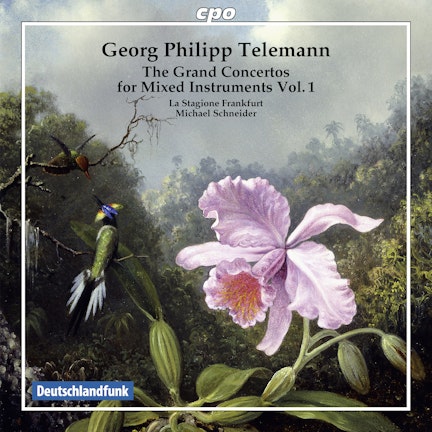
Telemann: Concerti per molti stromenti
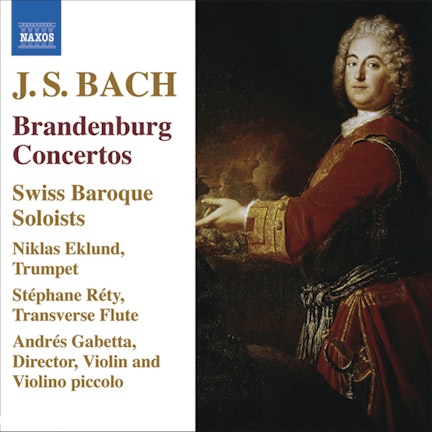
Bach: The Brandenburg Concertos
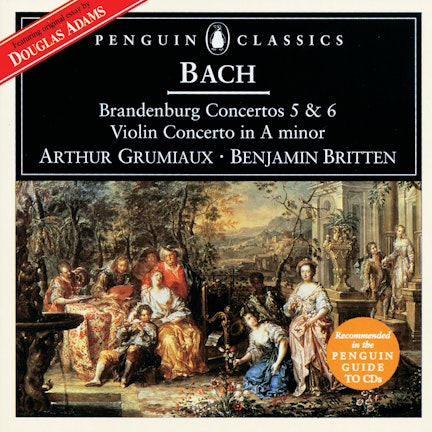
Bach, J.S.: Brandenburg Concertos Nos.5 & 6; Violin Concerto in A minor
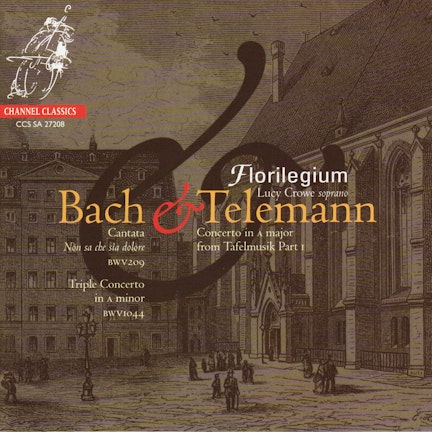
Florilegium Performs Bach & Telemann
Benda: Concerti
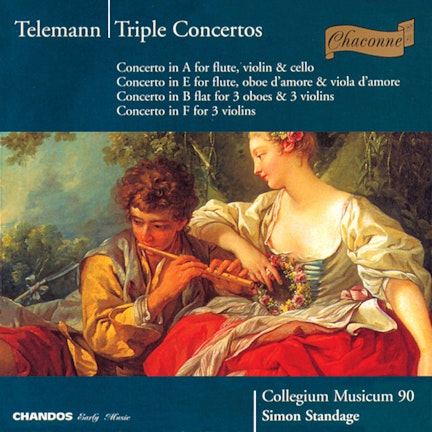
Telemann: Triple Concertos
J.S. Bach: Brandenburg Concertos Nos. 1-6
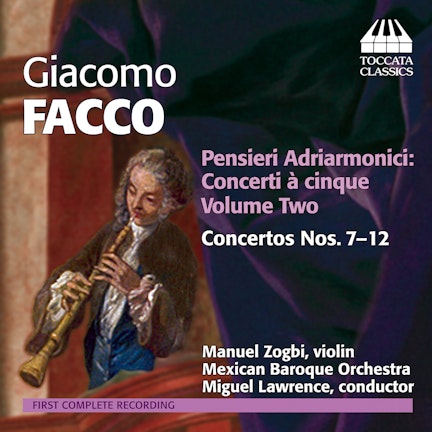
Pensieri adriarmonici, Vol. 2
Bach, JS : Brandenburg Concertos Nos 4 - 6 & Orchestral Suite No.2
Bach: Brandenburg Concertos II
Telemann: Don Quixote Suite, Viola Concerto, Concerto for Two Oboes and Two Violins