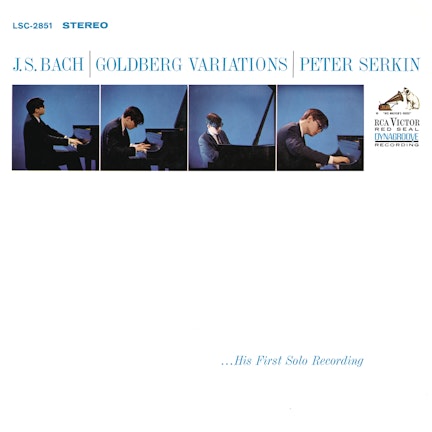
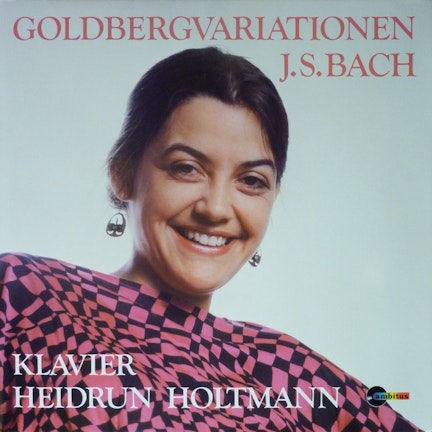
The Goldberg Variations are structured with a profound architectural sense, featuring canons at every third variation (except No. 27) and interspersing two- and three-part inventions or fugues.
Performer Biography
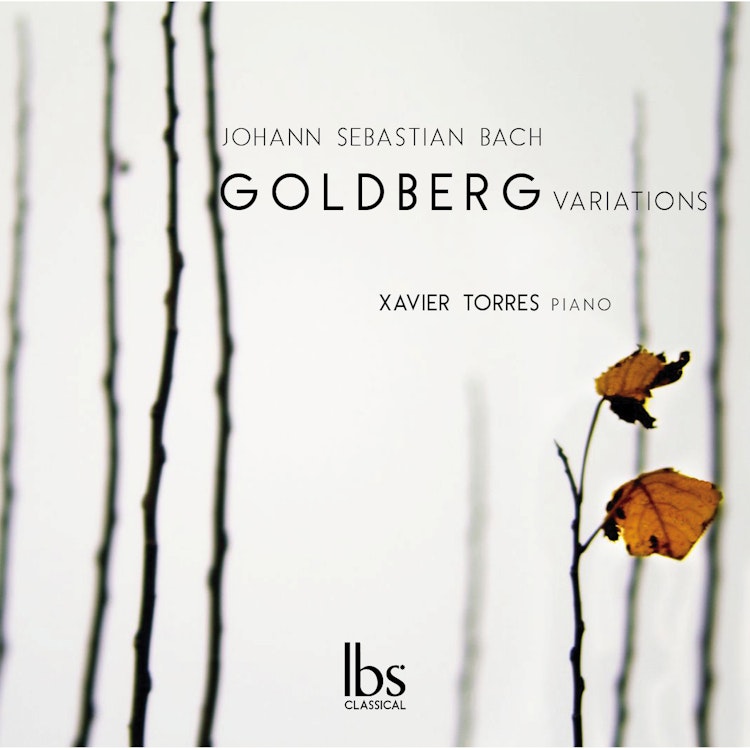
Xavier Torres, the pianist on this recording, has dedicated over three years to studying, performing, and preparing the Goldberg Variations for this album.
Compositional Technique
The work comprises nine canons and 21 variations, including fughettas and complex contrapuntal passages for two, three, and four voices, all sharing a similar harmonic construction.
Composition History
Bach's Goldberg Variations were originally titled 'Aria with various variations for two-manual harpsichord (part IV of the Clavierübung)' and were composed in Leipzig in 1741.
Composition History
The popular story that Bach composed the Goldberg Variations for Count Hermann Karl von Kayserling, the Russian Ambassador in Dresden, to help him sleep during his nights of insomnia, is likely fanciful.
Composer's Artistic Vision
Bach and his publisher, Balthasar Schmid, described the Goldberg Variations as 'Keyboard Practice, consisting of an Aria with Diverse Variations, for the Harpsichord with 2 Manuals. Composed for Music Lovers, to Refresh their Spirits'.
Composition History
The Goldberg Variations acquired their name because Johann Gottlieb Goldberg (1727-1756), a young disciple of Bach, was the harpsichordist who supposedly played them for the insomniac Count Kayserling.
You might also enjoy...
Bach: Goldberg Variations
Goldberg Variations BWV988
Bach: Goldberg Variations, BWV 988
Bach: Goldberg Variations
Bach: The Goldberg Variations, BWV 988 (1955 Recording, Rechannelled for Stereo) - Gould Remastered
Bach: Goldberg Variations, BWV 988
Bach: Goldberg Variations
Goldberg Variations
J.S. Bach: Goldberg Variations
Bach: The Goldberg Variations, BWV 988 (1981) - Gould Remastered