The 16th variation is marked 'Ouverture' by Bach, likely indicating it as the central axis of the work's symmetrical structure, mirroring the 2x16 pages of the printed edition.
Composition History
The Goldberg Variations were supposedly commissioned by Count Hermann Carl von Keyserlingk, the Russian ambassador to Saxony, to help him through sleepless nights.
Compositional Technique
The Goldberg Variations are not based on the Aria's melody, but on its underlying 32-note bassline, which was a common melodic pattern of Italian origin.
Composition History
Bach's first biographer, Johann Nikolaus Forkel, claimed the Goldberg Variations were named after Johann Gottlieb Goldberg, a student who performed them for Count Keyserlingk.
Compositional Technique
Every third variation in the Goldberg Variations is a canon, with the interval between the canon entries increasing progressively from a unison to a ninth.
Instruments
The Goldberg Variations were specifically written for a two-manual harpsichord, as indicated by Bach's 'a 2 Clav.' markings for roughly half of the movements.
Compositional Technique
The final variation, a 'Quodlibet', humorously combines two popular folk tunes with the Aria's bassline: 'It has been so long since I have been with you' and 'Cabbage and turnips have driven me away'.
You might also enjoy...
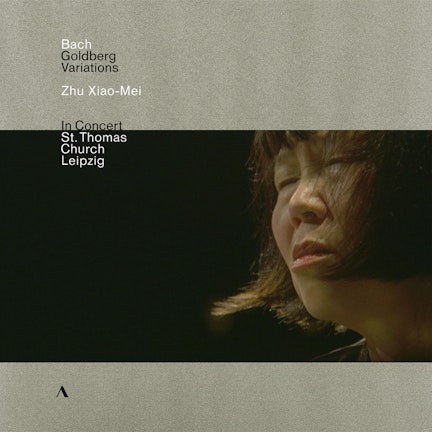
J. S. Bach: Goldberg Variations, BWV 988 (Live from St. Thomas Church)
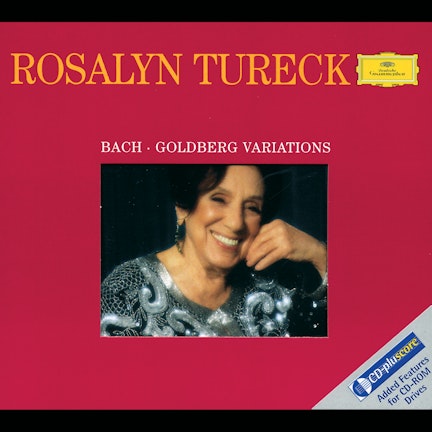
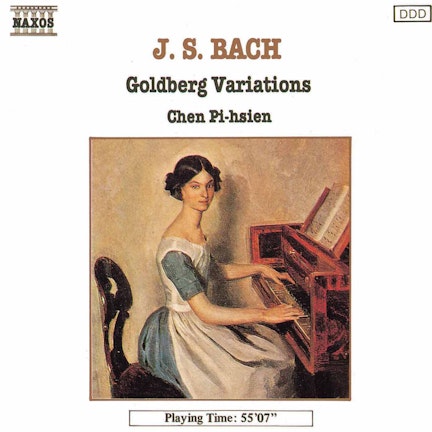
Bach, J.S.: Goldberg Variations
Bach, J.S.: Goldberg Variations, Bwv 988
J.S. Bach: Goldberg Variations, BWV 988 (Live)
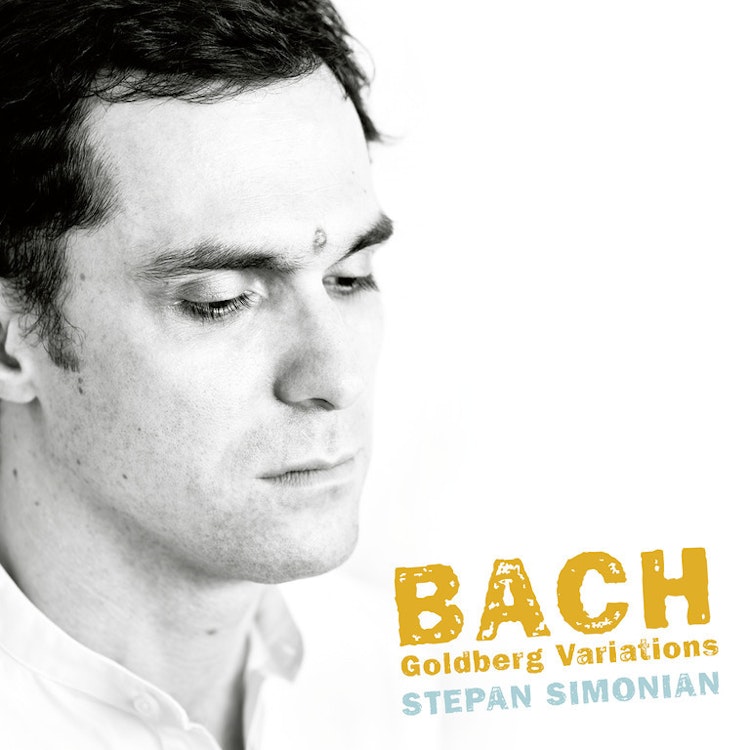
Bach: Goldberg Variations
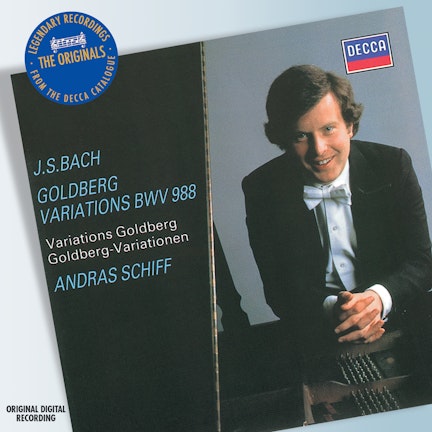
Bach: Goldberg Variations, BWV 988
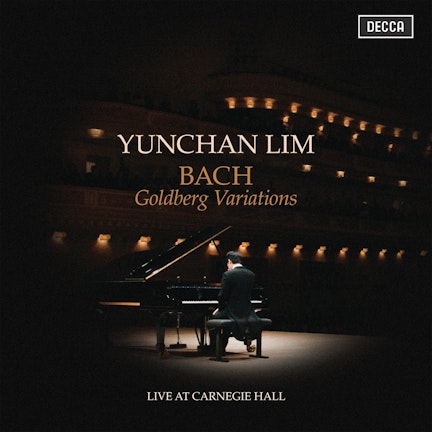
J.S. Bach: Goldberg Variations, BWV 988: Var. 3. Canone all'Unisono a 1 Clav. (Live at Carnegie Hall, New York, 2025)