Doubts exist about the veracity of the Goldberg Variations' origin story, as the first edition from 1741 lacks a dedication to Count Keyserlingk, and the harpsichordist Goldberg was only twelve at the time.
Compositional Technique
The Goldberg Variations are structured into ten groups of three, with the third variation in each group always being a canon, progressing from unison to a ninth interval.
Compositional Technique
The final variation of the Goldberg Variations is not a canon, but a Quodlibet that combines two popular Saxon folk songs, 'Kraut und Rüben haben mich vertrieben' and 'Ich bin so lang nicht bei dir gewest'.
Recording & Production
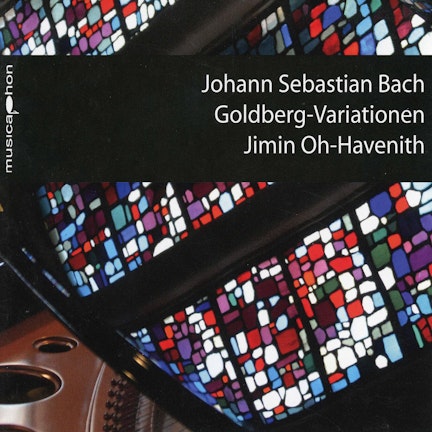
This album was recorded at Radiostudio Zürich, described as one of Europe's best studios, which has since been converted into a school.
Compositional Technique
Bach's Goldberg Variations reveal his numerological mysticism, with the Aria comprising 32 measures and the bass theme consisting of 32 notes.
Composition History
The anecdote about the Goldberg Variations being commissioned to entertain Count Keyserlingk is famous, despite the work's complexity making it unsuitable as a soporific.
Composition History
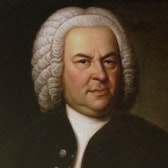
The Goldberg Variations were first mentioned in Johann Nikolaus Forkel's 1802 biography of Bach, where an anecdote claims they were commissioned by Count Keyserlingk to entertain him during sleepless nights.
You might also enjoy...
J. S. Bach: Goldberg Variations, BWV 988
Goldberg Variations - The Goldberg Variations, BWV 988
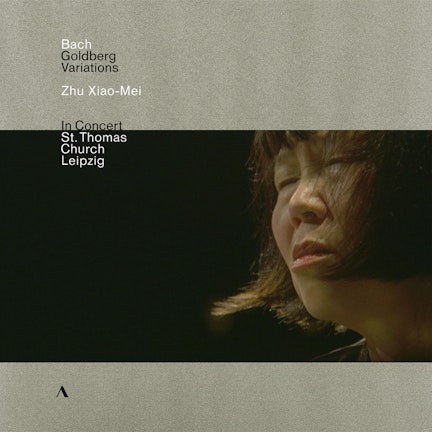
J. S. Bach: Goldberg Variations, BWV 988 (Live from St. Thomas Church)
Rising Sun Variations
Bach : Goldberg Variations
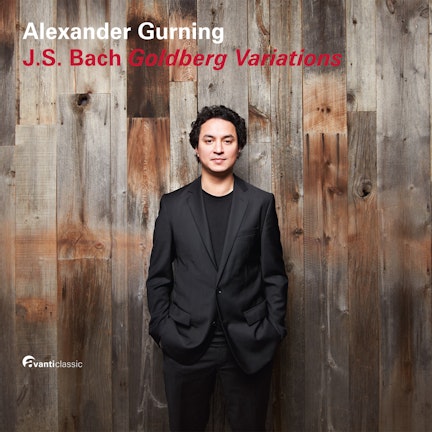
J.S. Bach - Goldberg Variations BWV. 988 - Alexander Gurning
Bach: Goldberg Variations, BWV 988
Bach: Goldberg Variations BWV988
J.S. Bach: Goldberg Variations, BWV 988
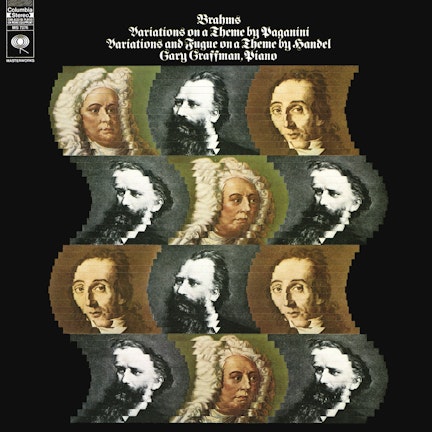
Brahms: Variations on a Theme by Paganini, Op. 35 - Variations and Fugue in B-Flat Major on a Theme by Handel, Op. 24