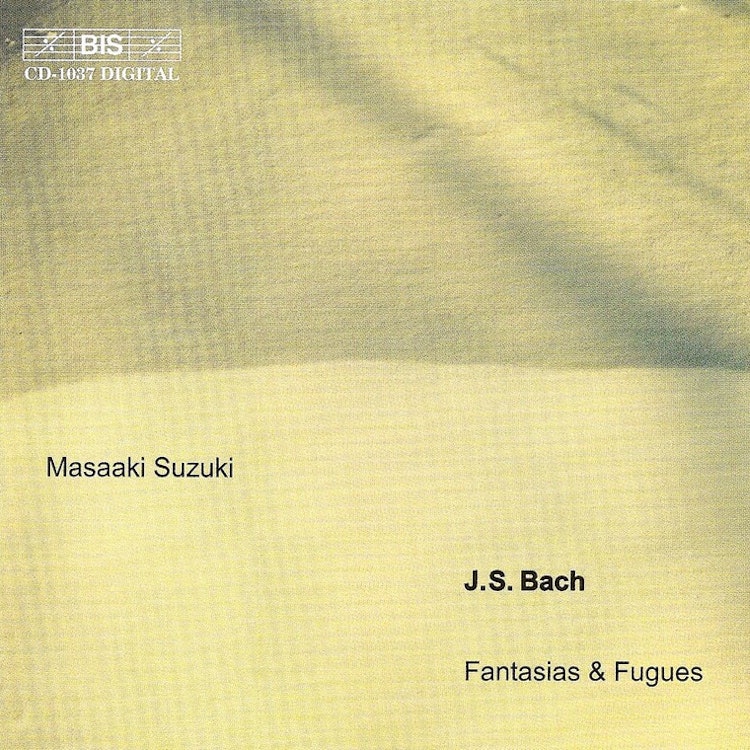
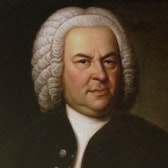
Bach's fantasias reflect two traditions: a traditional model featuring contrapuntal treatment and a newer, free-style improvisation.
Composition History
The Chromatic Fantasia and Fugue in D minor (BWV903) went through three stages of development, with numerous details changed in the final version around 1730.
Composer Biography
Bach never met Tomaso Giovanni Albinoni, a Venetian composer, but became familiar with his works through prints and manuscripts circulating in Germany.
Composition History
Bach's three early keyboard fugues (BWV946, 950, and 951/951a) are based on subjects taken from Albinoni's Opus 1, a set of trio sonatas.
Critical Reception
The Chromatic Fantasia and Fugue in D minor (BWV903) was recognized for its quality as early as 1802 by Johann Nicolaus Forkel, who called it unique.
Composer Biography
Bach dedicated two capriccios, composed in his youth in Arnstadt, to his elder brothers, showing great affection and respect for them after losing his parents at age ten.
Composer's Artistic Vision
Bach's fantasias often feature fortified improvisation or brilliant technical display, even within the standard pairing with a fugue.
You might also enjoy...
Bach: Overture in the French Style in B Minor & Keyboard Partita No. 6 in E Minor
Bach: Inventions & Sinfonias
Bach: Suites anglaises (Alpha Collection)
Bach: "Italian" Concerto, "French" Overture & Other Works for Harpsichord
Bach: "Fait pour les Anglois" (The English Suites)
Bach: The English Suites, BWV 806-811
Bach: Französische Suiten, Ouvertüre
Bach, J.S.: 2 Part Inventions / 3 Part Inventions / 6 Little Preludes