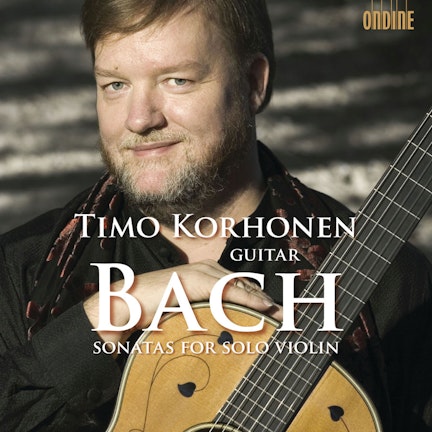
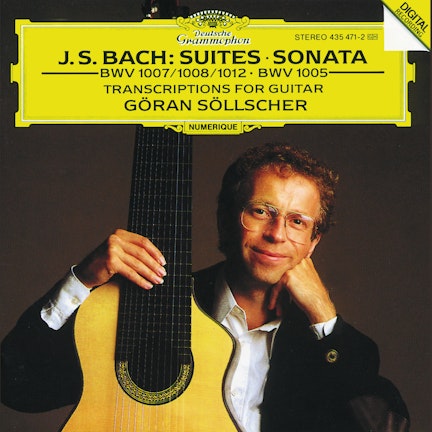
Bach's solo violin sonatas and partitas fell into near oblivion during the 19th century, with Romantic audiences preferring more grandiose sonorities, leading figures like Mendelssohn and Schumann to add piano accompaniments.
Composition History
Bach's Sonatas and Partitas for solo violin, though dated 1720, were likely composed in Köthen, where Bach spent the years 1717-1723.
Performer Biography
Andrés Segovia, a renowned 20th-century guitarist, was known for his ability to fill large concert halls with the warm tone of his guitar.
Composer Biography
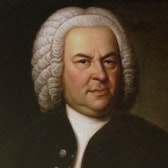
Johann Sebastian Bach, often seen as a master of the organ, was also an excellent violinist who often directed ensembles from the violin and developed advanced playing techniques.
Historical Context
During Bach's time in Köthen, the atmosphere at court was very positive for non-sacred music, as Prince Leopold of Köthen was a devoted music lover who played several instruments and built his own orchestra.
Cultural Impact
Andrés Segovia is credited with rehabilitating the practice of arranging works for instruments other than those originally intended by the composer in the 20th century.
Composer's Artistic Vision
Andrés Segovia believed there were insufficient works specifically composed for the guitar, so he commissioned original works from a wide range of composers.
You might also enjoy...
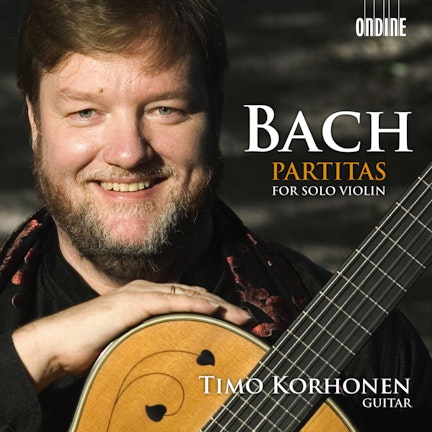
Bach: Partitas for Solo Violin
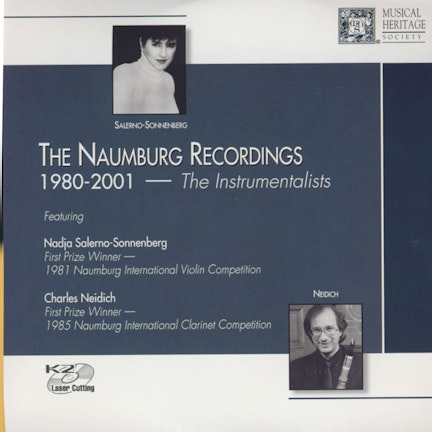
The Naumburg Recordings: 1996 First Prize, Classical Guitar Competition