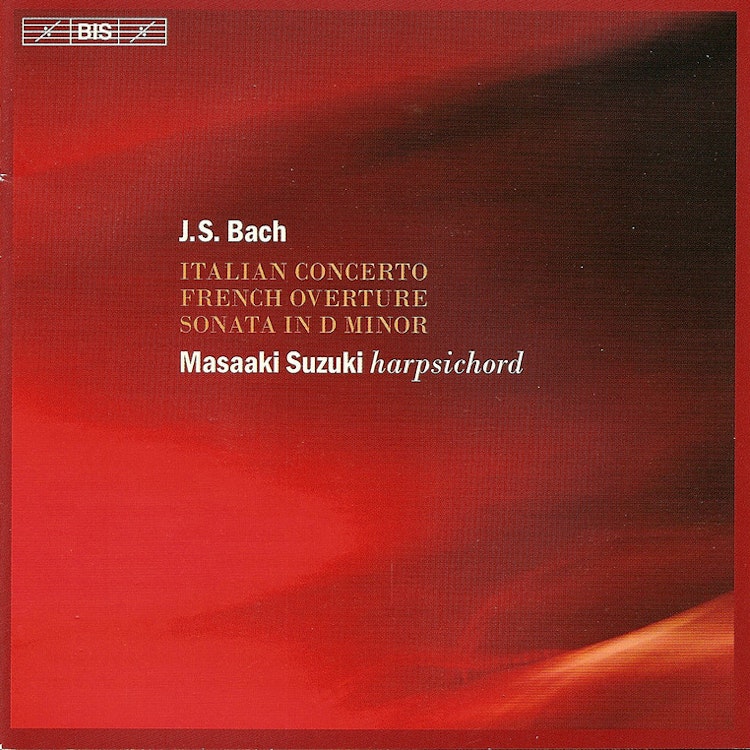
Bach, J.S.: Italian Concerto - French Overture in B Minor - Keyboard Sonata in D minor
5/1/2007, 16 Tracks, 1:09:20
Featuring
Masaaki Suzuki
Johann Sebastian Bach
Did you know?
1/7
Composer's Artistic Vision
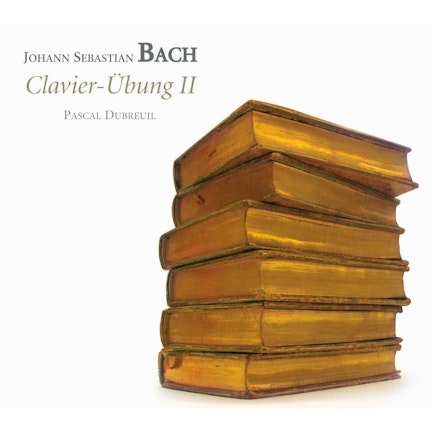
In the Clavier-Übung II, Bach demonstrates his skill in transcribing orchestral genres—the concerto and overture suites—representing Italian and French national styles for keyboard.
Performer Biography
Masaaki Suzuki, the performer on this recording, founded the Bach Collegium Japan in 1990 and is recording Bach's complete works for harpsichord.
Composition History
An early version of the French Overture, known as the C minor suite (BWV 831a), was likely intended for the first Clavier-Übung but was not published due to its distinct French character, larger scale, and requirement for a double-manual harpsichord.
Critical Reception
J.A. Scheibe, who once attacked Bach's style as 'turgid and confused,' later praised the Italian Concerto in 1739 and 1745 as a 'perfect model of a well-designed solo concerto.'
Composition History
The Italian Concerto and French Overture were published together in 1735 as the second installment in Bach's Clavier-Übung (Keyboard Practice) series.
Composition History
Bach's involvement as director of the collegium musicum from 1729 considerably grew his interest in orchestral and chamber music, influencing his keyboard transcriptions.
Compositional Technique
In the Clavier-Übung II, Bach explored contrasts in many areas, including stylistic ideas, form, phrase lengths, texture, and the use of forte/piano indications for manual changes on a double-manual harpsichord.