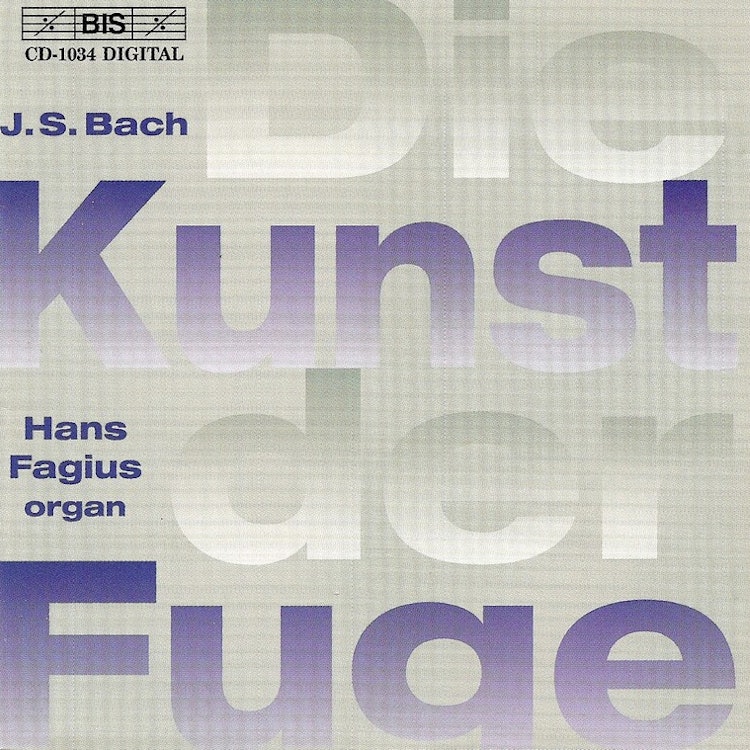
Bach, J.S.: Kunst Der Fuge (Die) (The Art of Fugue), Bwv 1080
8/31/2001, 20 Tracks, 1:19:59
Featuring
Hans Fagius
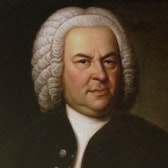
Johann Sebastian Bach
Did you know?
1/7
Critical Reception
Despite its profound artistic merit, Die Kunst der Fuge was not commercially successful upon its posthumous publication, with only about thirty copies sold by 1756.
Composition History
Bach's worsening eye condition and two unsuccessful operations in 1750 likely delayed and prevented him from completing Die Kunst der Fuge.
Historical Context
Bach's membership in the Sozietät der musikalischen Wissenschaften, a learned society founded by his pupil Lorenz Christoph Mizler, likely influenced his later works, including Die Kunst der Fuge.
Composition History
Bach's monumental last composition, Die Kunst der Fuge (The Art of Fugue), is surrounded by an aura of mystery, partly because it was left unfinished.
Compositional Technique
Die Kunst der Fuge is built on a single, perfectly constructed four-bar theme that appears in numerous variants and its mirror version throughout the 18 movements.
Composer's Artistic Vision
Die Kunst der Fuge was written in open score with no designated instrument or performance indications, leading it to be seen as an abstract composition intended for intellectual delight rather than performance.
Composition History
The work's concluding quadruple fugue is abruptly broken off just as the third theme, consisting of the notes B-A-C-H, is combined with the two previous themes.