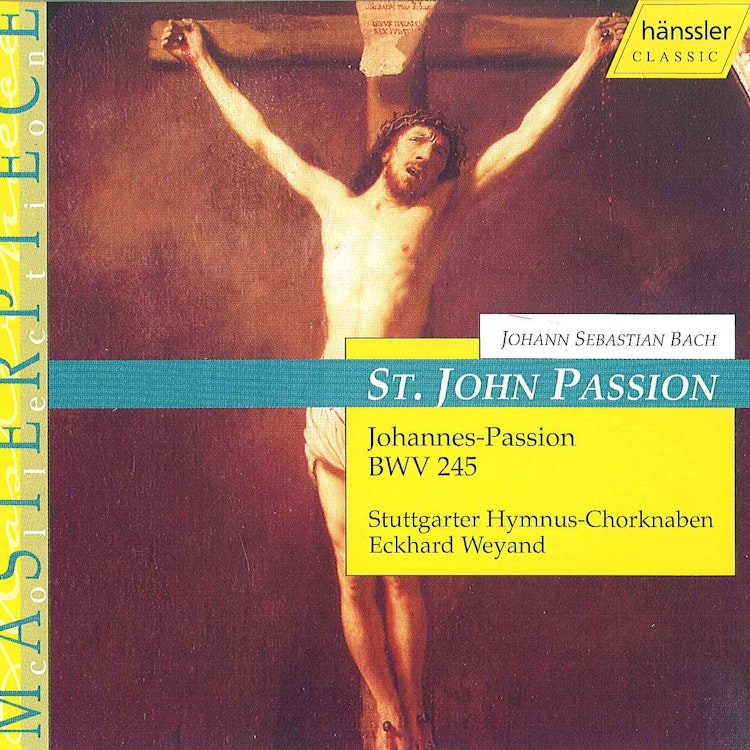
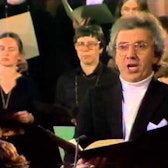
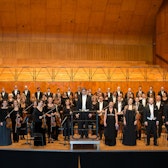
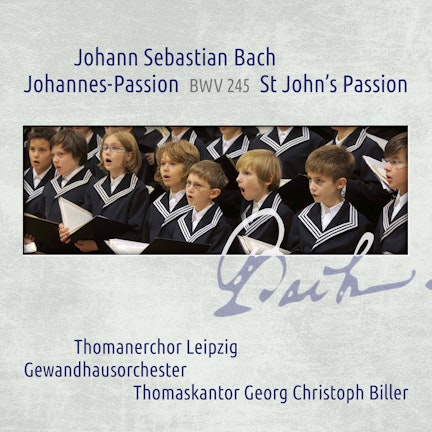
The Stuttgarter Hymnus-Chorknaben, a boys' choir, was founded in 1900 by Paul von Lechler, inspired by famous boys' choirs in Leipzig, Dresden, and Berlin.
Compositional Technique
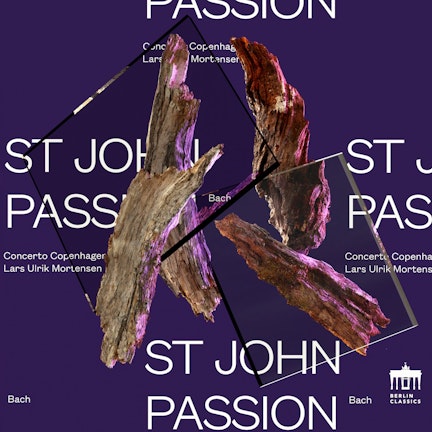
The text of the St. John's Passion includes two Gospel passages not found in St. John's Gospel—Peter's grief after his denial and the earthquake after Christ's death—because they were considered essential to the Passion story by 18th-century listeners.
Composer's Artistic Vision
Bach deliberately restricted instrumental solos in the St. John's Passion, for example, requiring two flutes to play a single part for a 'choral sound' rather than a solo.
Composition History
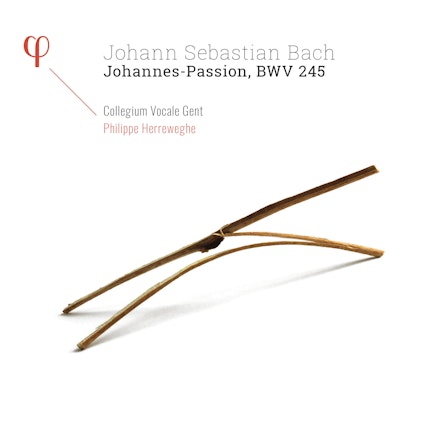
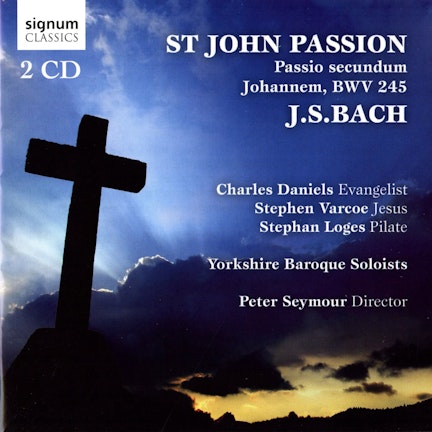
Bach never heard 'our' current version of the St. John's Passion; he began a thorough revision around 1730/40 but stopped before completion, and a student later completed the score based on an older version.
Composition History
Bach's St. John's Passion was first performed on April 7, 1724, almost a year after he officially began his dual role as musical director of Leipzig and choirmaster of St. Thomas' school.
Compositional Technique
The St. John's Passion is structured in two parts, with an extended 'interval' for a sermon between them, reflecting the requirements of the Good Friday church service.
Composer Biography
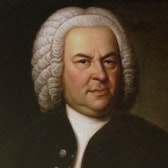
Johann Sebastian Bach was not the Leipzig city council's first choice for the position of musical director and choirmaster, as he was not a qualified schoolmaster or an academically educated composer experienced in modern Italian opera music.