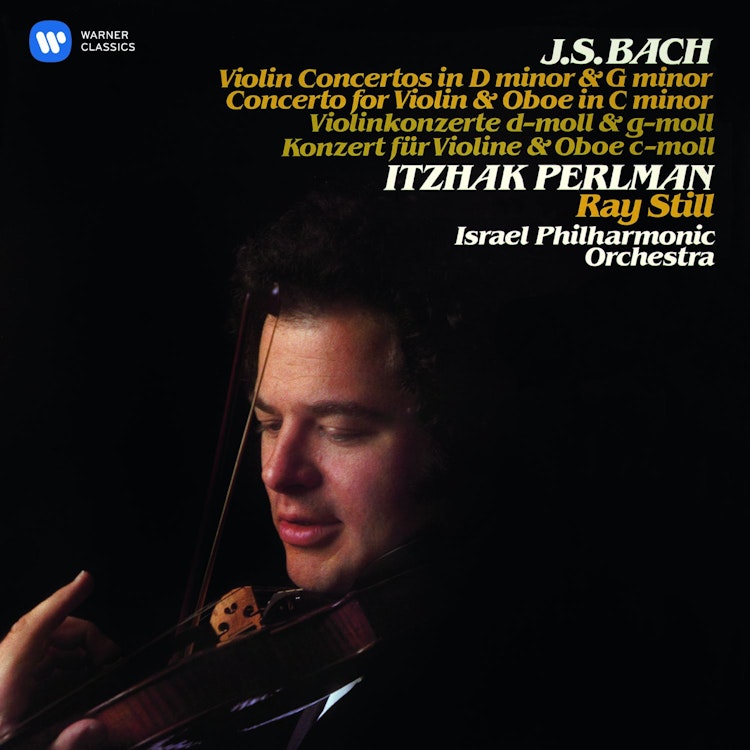
Bach reused movements from his D minor Concerto in two of his cantatas: the first two movements in Cantata BWV 146, and the third movement as the overture to Cantata BWV 188.
Notable Performances
The first recordings of the D minor and G minor concertos adapted for violin were made by the Hungarian soloist Joseph Szigeti in 1940 and 1954.
Composition History
The G minor Concerto, BWV 1056, is known in its F minor harpsichord version, and its second movement was also used as the overture to Bach's Cantata, BWV 156.
Compositional Technique
The D minor and G minor concertos on this album are transcriptions of Bach's harpsichord concertos, unlike his well-known A minor and E major violin concertos which were originally for violin.
Composition History
The original score of Bach's D minor Concerto, BWV 1052, likely conceived for violin, is lost; the only published version was Bach's own arrangement for harpsichord and orchestra.
Critical Reception
For a long time, it was thought that Bach's Concerto in C minor for two harpsichords, BWV 1060, was originally for two violins, and it has been performed and recorded in that format.
Composition History
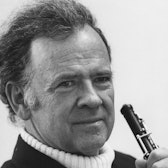
Most scholars now believe that the original solo instruments for Bach's Concerto in C minor, BWV 1060, were violin and oboe, due to stylistic differences in the solo parts.
You might also enjoy...
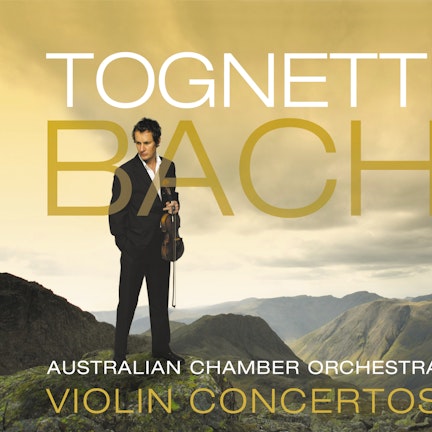
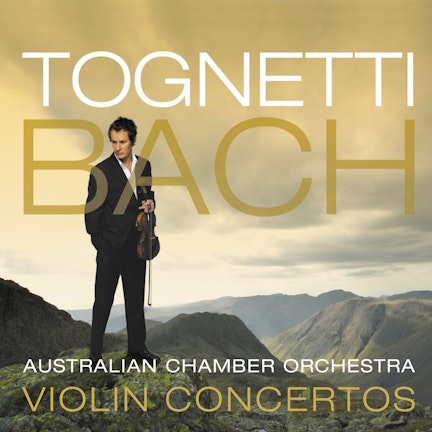
Tognetti – Bach: Violin Concertos
Tognetti – Bach: Violin Concertos
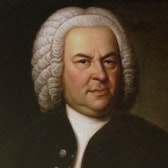
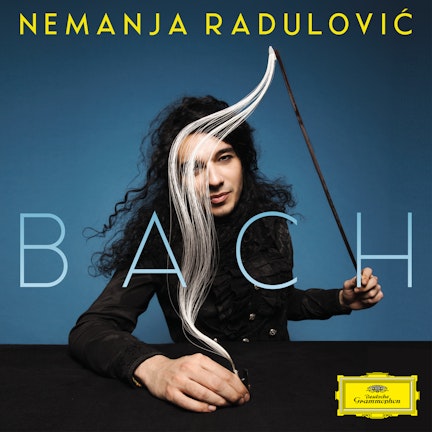
Bach
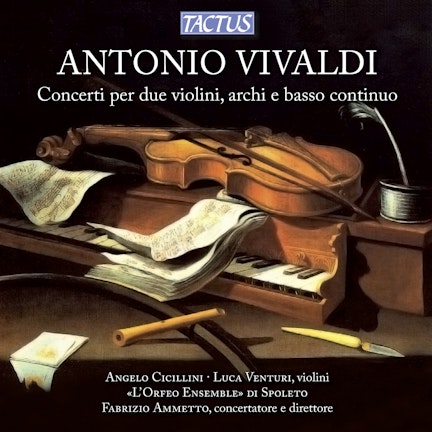
Vivaldi: Concerto per 2 violini, archi & basso continuo
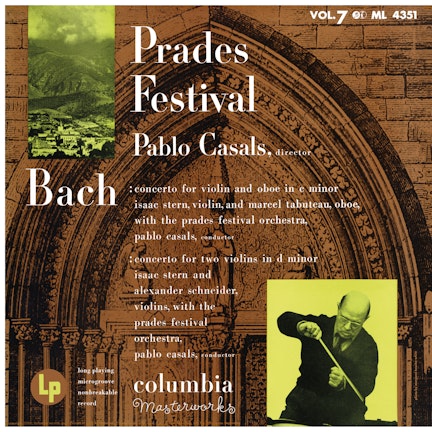
Isaac Stern Plays Bach at the Prades Festival
Vivaldi: L'Estro Armonico, Op.3
Franck, Vieuxtemps & Saint-Saëns: Violin Works
Bach: Concerto for 2 Violins in D Minor, BWV 1043 - Vivaldi: Concerto for 2 Violins in A Minor, RV 522