The Kyrie of Bach's F major Mass, BWV233, is in the 'stile antico' (strict 'old style' of 16th-century vocal polyphony) but also incorporates a cantus firmus from Martin Luther's German Litany.
Composer Biography
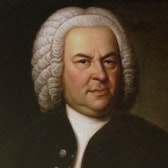
Johann Sebastian Bach, during his time as Kantor in Leipzig, often used works by other composers for mass settings, including a Mass in A minor by Marco Gioseppe Peranda, which is featured on this recording.
Historical Context
The Reformation, initiated by Martin Luther, led to spiritual, political, and social upheavals across Europe, but initially aimed for reforms within the church, retaining established practices where possible.
Recording & Production
This album was recorded in the Kobe Shoin Women's University Chapel in Japan, a venue known for its acoustics and French baroque-style Marc Garnier organ.
Compositional Technique
Bach's 'Lutheran' Masses, BWV233-236, are almost entirely examples of the 'parody method,' combining existing music with new texts and requiring revisions.
Performer Biography
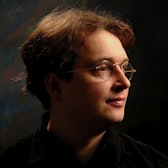
Masaaki Suzuki, the music director of Bach Collegium Japan, is an authority on Bach's works and combines his conducting career with his work as an organist and harpsichordist.
Composition History
Bach's Lutheran Masses, including those on this album, are liturgically incomplete, consisting only of Kyrie and Gloria, but were still called 'masses' according to Protestant practice.