J.S. Bach's musical abilities, particularly in manipulating sound in time and space, are described as superhuman, with a skill for infusing his music with numerical and mathematical material.
Composer's Artistic Vision
Bach's music often incorporates the numbers 3 and 7, representing the Trinity and Perfection, which were essential to his creative craft and influenced phrase and section lengths.
Composition History
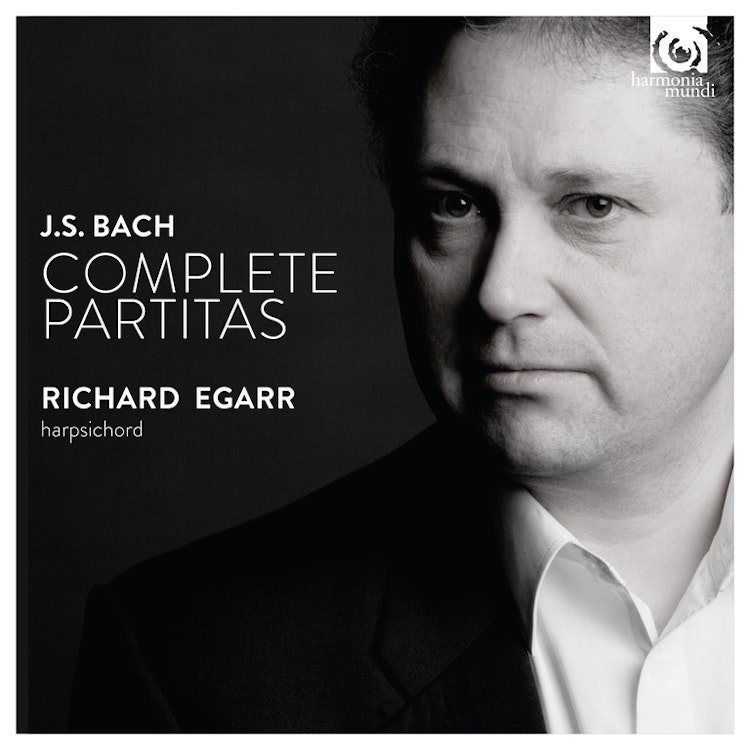
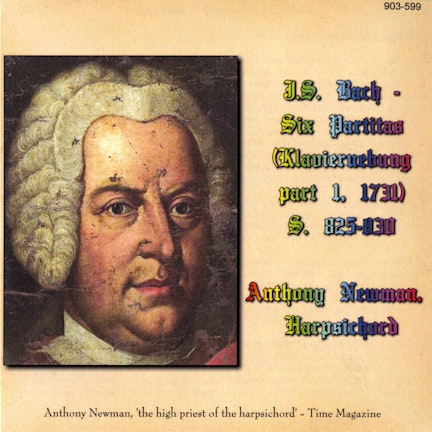
Bach's six Partitas, known as his 'Opus 1', were not published all at once but staggered over four years, with the first appearing in 1726 and the complete set in 1731.
Recording & Production
The performer, Richard Egarr, chose a specific CD track order (1, 2, 4 on CD 1 and 3, 5, 6 on CD 2) to accommodate playing all repeats and ornamentation, as the original published order would not fit.
Compositional Technique
The key sequence of Bach's Partitas (B flat/C minor/A minor/D/G/E minor) forms a 'wedge' shape, with the interval between successive partitas governed by its number in the set.
Composer's Artistic Vision
Bach used the numbers 14 and 41 as personal inscriptions, derived from the numerical value of his name (BACH = 14, JSBACH = 41), often incorporating them into his compositions.