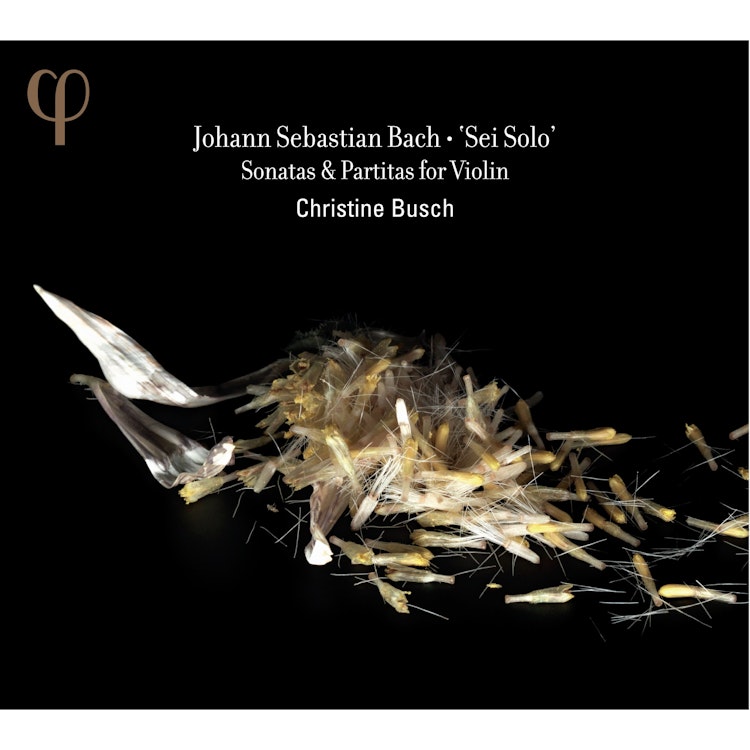
For this recording, Christine Busch chose an 18th-century Baroque violin with gut strings and a Baroque bow (model around 1730) for a more exquisite and eloquent sound.
Recording & Production
The Phi label was created to preserve projects with Collegium Vocale Gent and the Orchestre des Champs-Elysées, aiming for a wider audience beyond concert-goers.
Compositional Technique
Bach's Sonatas and Partitas for solo violin are notable for their 'latent polyphony,' which requires the listener's 'inner ear' and cognitive synthesis, rather than a full acoustic realization of all notes.
Performer Biography
Christine Busch, the violinist on this album, is the leader of the orchestra of the Collegium Vocale Gent and is praised for her technical perfection and poetic imagination.
Compositional Technique
The Sonatas and Partitas exhibit a hidden architectural order, with precise proportions; for example, the first Partita is twice as long as the first Sonata.
Composition History
The title page of Bach's autograph manuscript for these works, dated 1720, proudly states 'a Violino senza basso accompagnato' (for violin without accompanying instrument).
Historical Context
Bach, an outstanding violinist himself, likely played these works in the 'chamber' of his music-loving Prince Leopold or for himself, not in public concerts.
You might also enjoy...
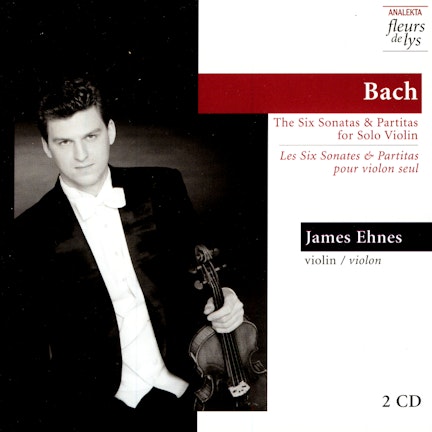
The Complete Sonatas and Partitas for solo Violin
Bach, J.S.: Sonatas and Partitas for Violin Solo
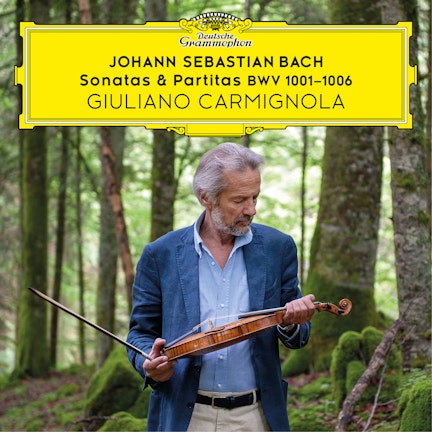
Bach: Violin Sonatas and Partitas, BWV 1001-1006
Bach: Sonaten & Partiten
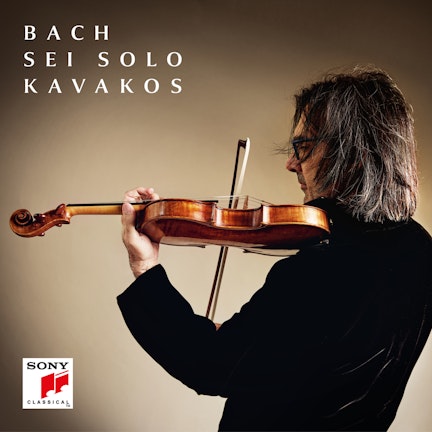
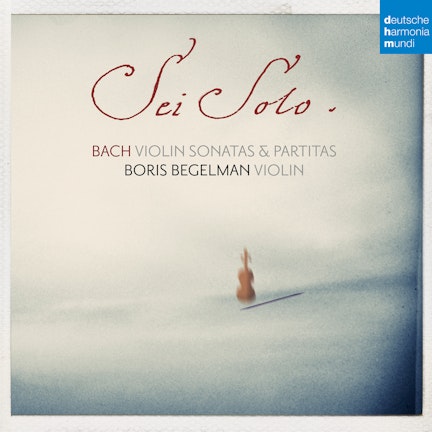
Bach: Sei Solo
Testament: Complete Sonatas and Partitas for Solo Violin by J. S. Bach