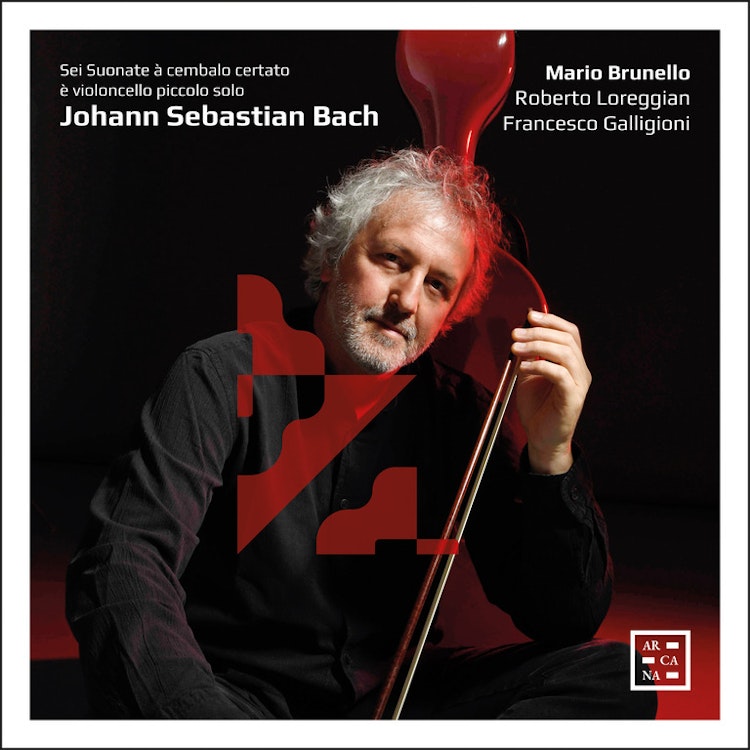
Bach: Sei suonate à cembalo certato è violoncello piccolo solo
9/10/2021, 25 Tracks, 1:37:54
Featuring
Mario Brunello
Roberto Loreggian
Francesco Galligioni
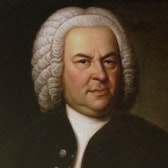
Johann Sebastian Bach
Did you know?
1/7
Interpretation
The performers experimented with 'suonare all'ottava' (playing at the octave), a 16th and 17th-century practice on Italian organs, to create a kaleidoscope of timbres by mixing violoncello piccolo, harpsichord, and organ.
Compositional Technique
Johann Sebastian Bach's trio sonatas are praised for their perfect synthesis of linear counterpoint, euphonious harmony, and rich melody, a compositional ideal of the 18th century.
Compositional Technique
Bach innovatively used the harpsichord as an obbligato partner, allowing two players to create a three-voiced texture by having the right hand play an upper voice and the left hand the bass.
Compositional Technique
Bach's original Italian title for these sonatas, '…col basso per viola da gamba accompagnata, se piace' (…with the bass for accompanied viola da gamba, if it pleases), reveals a surprising flexibility in instrumentation.
Composer's Artistic Vision
Bach's trios satisfied his notion of perfect balance and harmony, believing it was achieved when all voices 'work wonderfully through each other'.
Instruments
The violoncello piccolo, a smaller variant of the violoncello, was first explicitly named and given a concertante role by Johann Sebastian Bach in nine cantatas in the 1720s.
Instruments
The violoncello piccolo used in this recording is a custom-made instrument by Filippo Fasser, modeled after a 17th-century five-string cello by Antonio and Girolamo Amati.
You might also enjoy...
Dream House Quartet
Med psaltare, harpa och lite norrsken
Organi Antichi dell'Appennino Bolognese
Fugue Around The Clock
Esther Abrami
Shades of Love: Korean Drama Soundtracks
Walton, Rutter, Lane, Curtis: Classical Winds, Vol. 1, featuring concert band arrangements by Paul Noble