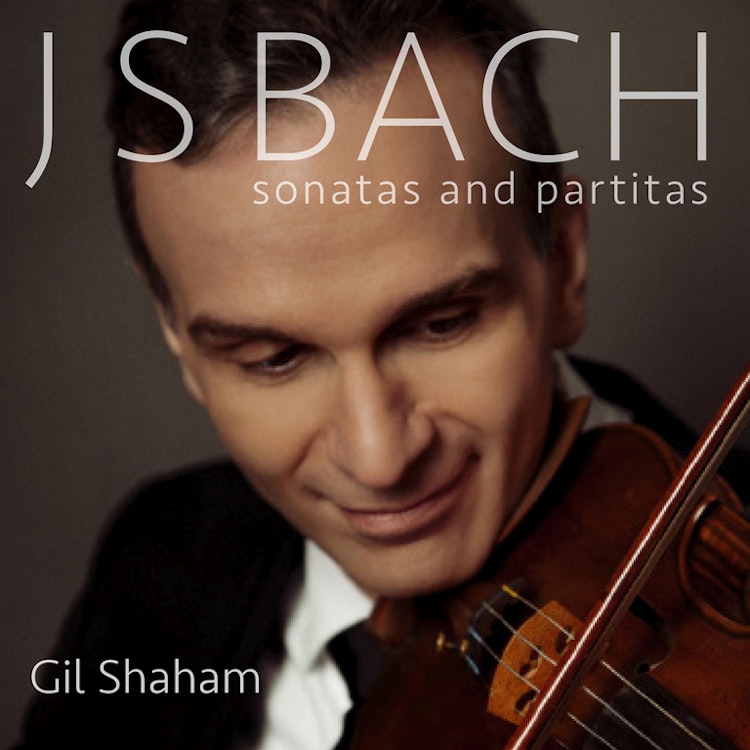
Gil Shaham uses vibrato sparingly in these Bach performances, treating it as an embellishment that can be varied, similar to ornamentation, especially in dance movements.
Interpretation
Gil Shaham's choice of a Baroque bow for this recording allows for a 'small softness' at the beginning of each stroke, a characteristic described by Leopold Mozart in 1756.
Interpretation
Gil Shaham, the violinist on this recording, experimented with a Baroque-style bow, bridge, and gut strings to achieve a sound closer to what Bach's own violin might have produced.
Interpretation
Gil Shaham's use of a lighter Baroque bow surprisingly made it easier to play faster passages, influencing his tempo choices for these works.
Compositional Technique
Bach's Second Sonata features the traditional Baroque lament motif of a descending chromatic fourth, representing grief, also found in Purcell's Dido and Aeneas.
Composer Biography
Bach, who was orphaned at age nine, believed his mission was to write well-organized church music and expressed humility and dedication to his craft.
Composer's Artistic Vision
Bach often used the letters of his name (B flat-A-C-B natural) as a musical motif, for example, in the fugues of the Solo Violin Sonatas.
You might also enjoy...
Bach: Sonatas And Partitas
Bach: Sonatas & Partitas for Solo Violin
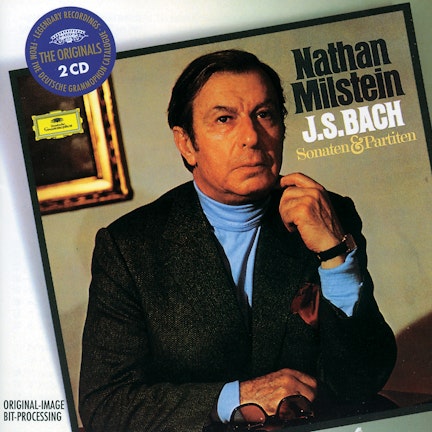
Bach, J.S.: Sonatas & Partitas
Bach: Violin Sonatas & Partitas
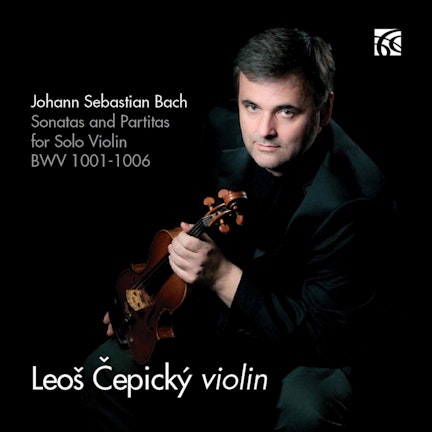
J.S. Bach: Sonatas & Partitas for Solo Violin, BWV 1001-1006
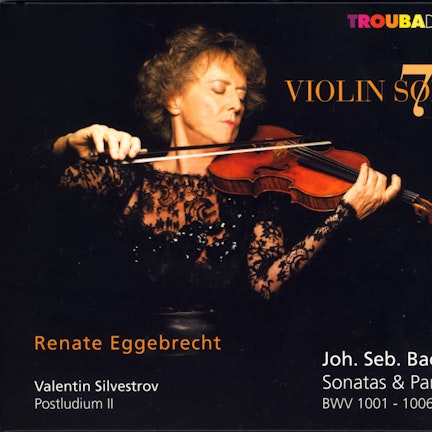
Violin Solo, Vol. 7
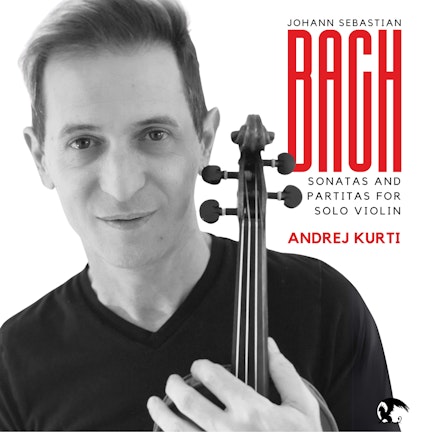
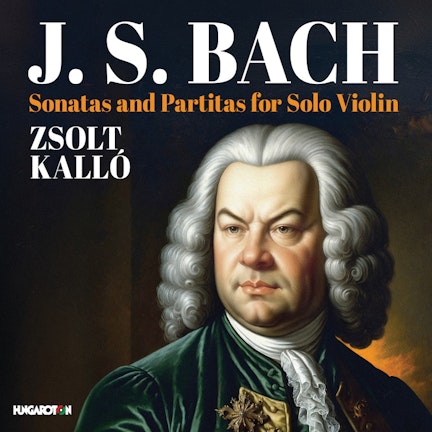
Bach: Sonatas and Partitas for Solo Violin
Bach: Sonatas & Partitas
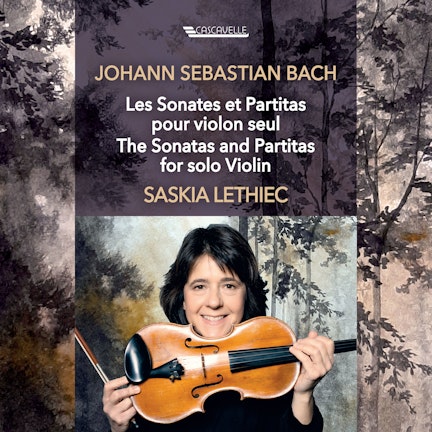
J.S. Bach: The Sonatas and Partitas for solo Violin