Bach's second son, Carl Philipp Emanuel, viewed these compositions as proof of his father's deep understanding of string instruments, making them valuable study material.
Critical Reception
The exceptional nature of Bach's solo violin works was recognized in the 18th century, though their artistic significance was interpreted in various ways.
Compositional Technique
Bach created an extraordinary challenge for himself by reducing sonic resources to a minimum, yet still achieving the full harmonic and polyphonic richness of his musical language on a solo melody instrument.
Compositional Technique
Bach's Sonatas and Partitas for solo violin push the technical and harmonic boundaries of the instrument, creating a powerful tension.
Compositional Technique
The challenge of the solo medium stimulated Bach to surpass even the harmonic riches of his great organ and keyboard works, with harmonies suggested by the performer and blossoming in the listener's imagination.
Composition History
Johann Paul von Westhoff, a violinist at the Dresden court and later in Weimar where Bach worked, may have provided a model for Bach's solo violin suites.
Compositional Technique
Bach's pupil Johann Philipp Kirnberger highlighted the compositional achievement of these works, noting that only a master of harmony and counterpoint could present them unadorned for a reduced number of voices.
You might also enjoy...
Telemann: 12 Fantasias for Solo Violin, TWV 40
Bach: Violin Partita No. 2, BWV 1004
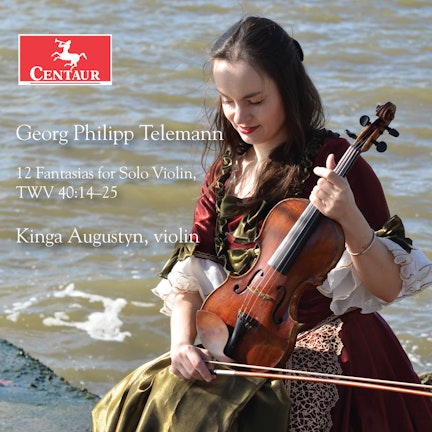
Telemann: 12 Fantasias for Solo Violin, TWV 40:14-25
Bach - 300 Years Of Solitude
Bach: Violin Partita No. 2, BWV 1004
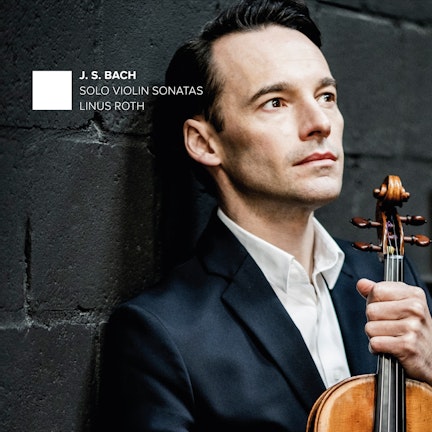
Bach: Solo Violin Sonatas
Telemann: 12 Fantasias for Solo Violin, TWV 40:14-25
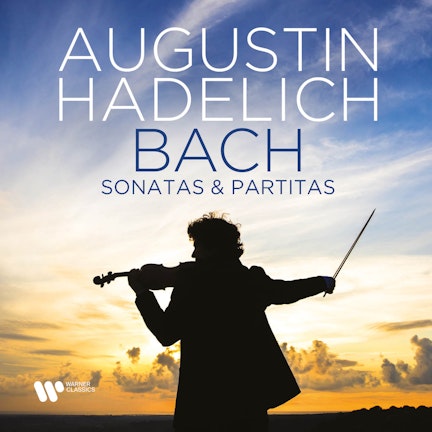
Bach: Sonatas & Partitas
Bach, JS: Violin Partita No. 2, BWV 1004: III. Sarabande