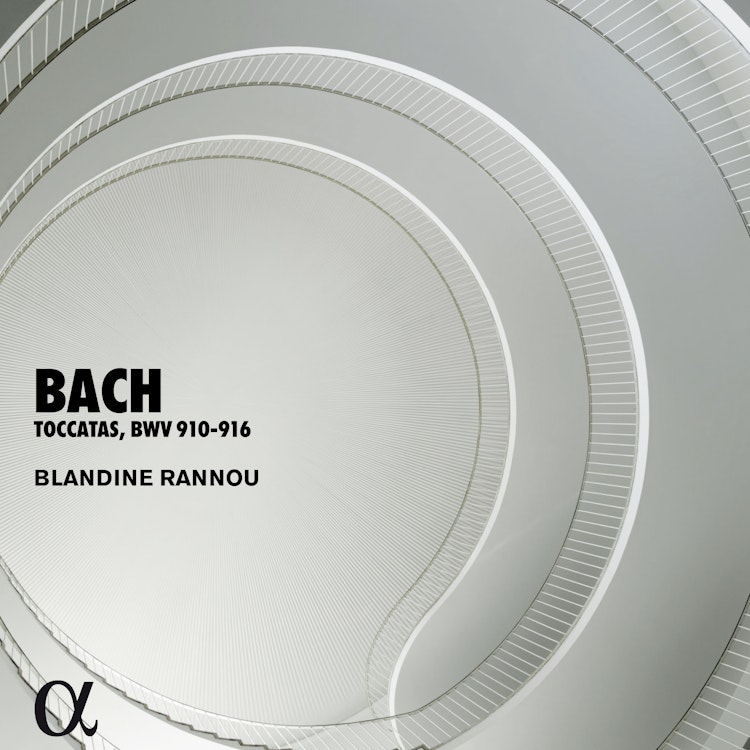
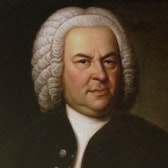
Johann Sebastian Bach began writing these toccatas for harpsichord when he was just twenty years old.
Instruments
Blandine Rannou performs on a harpsichord made in 1988 by Anthony Sidey and Frédéric Bal, copied after a Ruckers-Hemsch instrument from 1636-1763.
Historical Context
Seventeenth-century North German organists developed a learned contrapuntal style with original harmonic explorations, sometimes called the stylus fantasticus.
Composer's Artistic Vision
Bach's seven harpsichord toccatas, despite not forming a cycle, are considered a homogeneous body of work that shows his attachment to the North German contrapuntal tradition.
Composer's Artistic Vision
These toccatas by the young Bach pay homage to the great masters of North Germany who fascinated him with their art of counterpoint.
Compositional Technique
The term 'toccata' comes from Italy, where it originally designated a piece for 'touching' (toccare) a solo polyphonic instrument like the organ, harpsichord, or lute.
Compositional Technique
The toccata style traditionally alternates between rapid, free, harmonically bold passages and sections written in serious counterpoint, such as fugues or simple imitative styles.