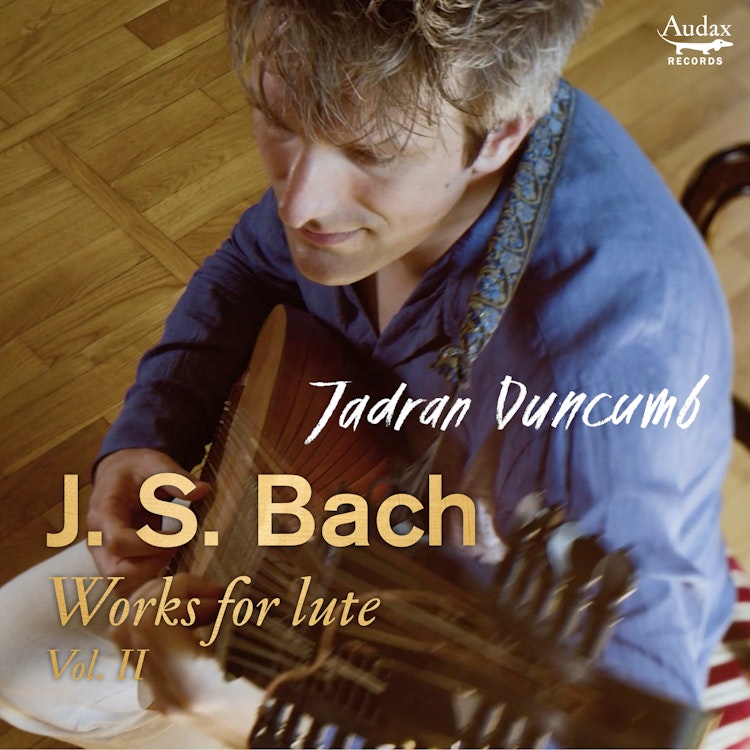
This album was recorded in a repurposed barn in a sparsely populated region of Norway, surrounded by forests, hills, and lakes, providing a serene recording environment.
Composition History
The instrumentation for Bach's Prelude, Fugue and Allegro BWV 998 is explicitly stated by Bach himself as being "for the lute or harpsichord."
Interpretation
Jadran Duncumb, the performer, was inspired by historical Bach lute tablatures made by two different lutenists, one of whom, J. C. Weyrauch, knew Bach personally.
Instruments
The Suite BWV 996 is explicitly connected to the Lautenwerk, a plucked keyboard instrument designed to mimic the lute, through a manuscript copy by Johann Gottfried Walther.
Composition History
Bach's Prelude, Fugue and Allegro BWV 998 and Partita BWV 997 were composed around 1739 and may be linked to Bach's acquaintance with lutenist Sylvius Leopold Weiss.
Interpretation
For the Suite BWV 1006a, the performer chose to transpose the piece from E major to F major because E major leaves no open strings on the baroque lute, making it difficult to play.
Recording & Production
The recording was produced by Rolf Lislevand, the performer Jadran Duncumb's former teacher, who provided significant time and inspiration.
You might also enjoy...
Kapsberger, G.: Lute Music
Falckenhagen: 6 Sonatas for Lute, Op. 1
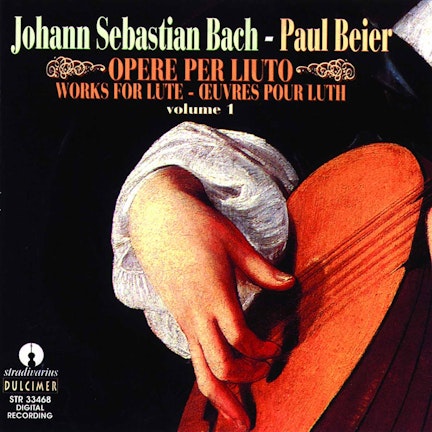
Bach: Works for Lute, Vol. 1
Weiss, S.L.: Lute Sonatas Nos. 39, "Partita Grande" and 45 / Prelude and Fugue in D Minor
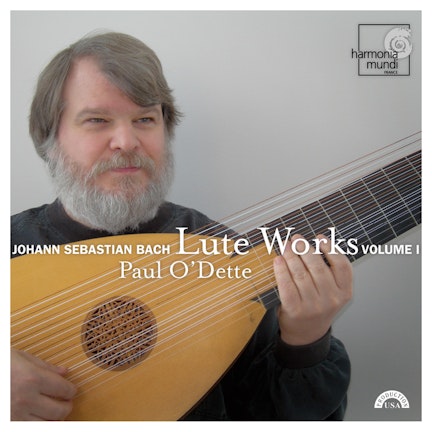
Bach: Lute Works, Vol. I
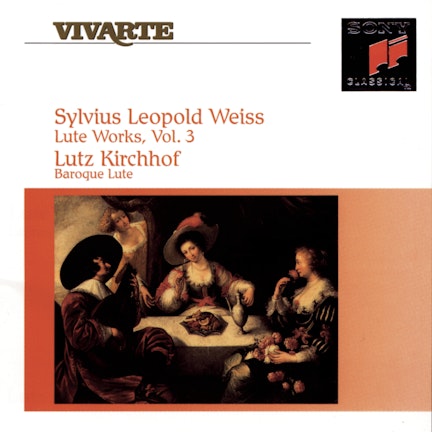
Weiss: Lute Works Vol. III
Oeuvres pour luth
Bach: Complete Works for Lute
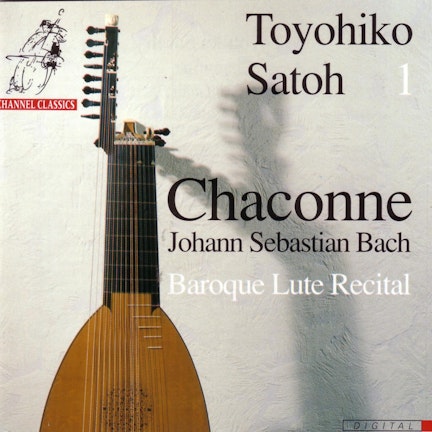
J.S. Bach: Chaconne - Baroque Lute Recital
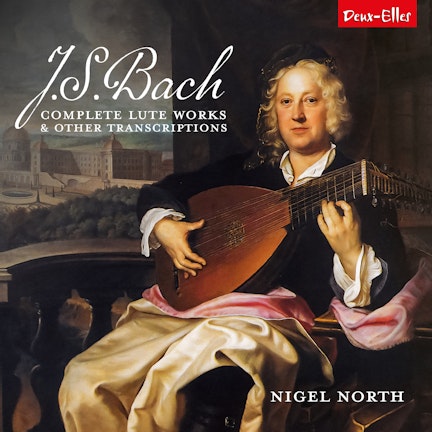
J.S. Bach Complete Lute Works and Other Transcriptions