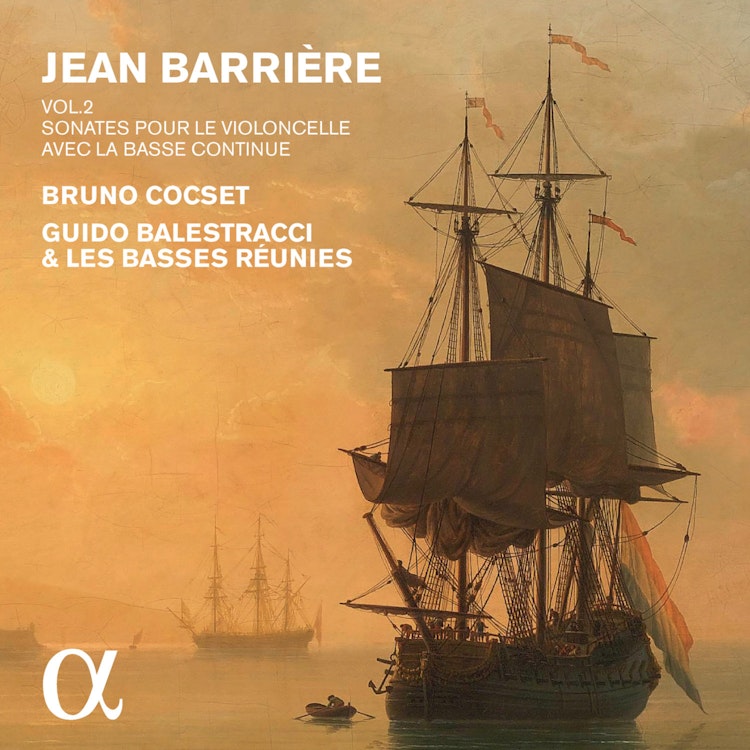
Barrière: Sonates pour le violoncelle avec la basse continue, Vol. 2
10/20/2015, 29 Tracks, 1:13:07
Featuring
Bruno Cocset
Bertrand Cuiller
Luca Pianca
Guido Balestracci
Emmanuel Jacques
Richard Myron
Les Basses Réunies
Jean-Baptiste Barrière
Did you know?
1/7
Instruments
The pardessus de viole, a small, high-pitched viol, became very popular in the 18th century as the bass viol declined and Italian violin music gained appreciation in Parisian concert halls.
Interpretation
Performer Bruno Cocset uses a small Italian tenor cello for Sonata 6 of Book III, tuned in successive fourths and fifths, to achieve a specific sound texture.
Interpretation
For most sonatas, Bruno Cocset uses a four-string cello with standard tuning, employing fingering solutions from viola da gamba playing or the use of the thumb in higher positions, a practice likely learned in Italy.
Composer Biography
Jean Barrière, a native of Bordeaux, became a "musicien ordinaire de l'Académie Royale de Musique" (today the Paris Opera) and traveled to Italy to perfect his instrumental art and immerse himself in Italian culture.
Composer's Artistic Vision
Barrière's music is noted for its subtle blending of styles, finding a unique tone that incorporates elements from French and Italian musical traditions.
Instruments
The quinton, a five-string pardessus with a violin body, was developed to combine the qualities of both viol and violin families, offering a direct and present sound.
Compositional Technique
Jean Barrière's 24 cello sonatas (Books I-IV) are exceptional for their variety of musical languages and demonstrate his love for exploring the instrument.
You might also enjoy...
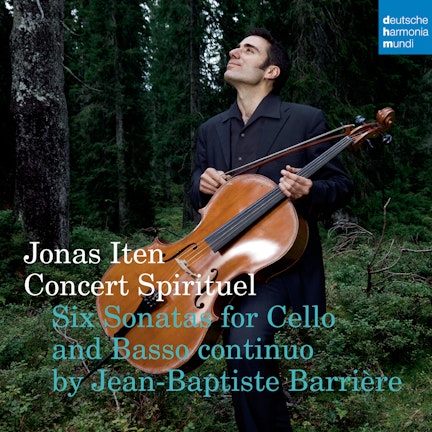
Barrière: Six Sonatas For Cello and Basso Continuo
La Nascita del Violoncello: Napoli - Bologna - Modena
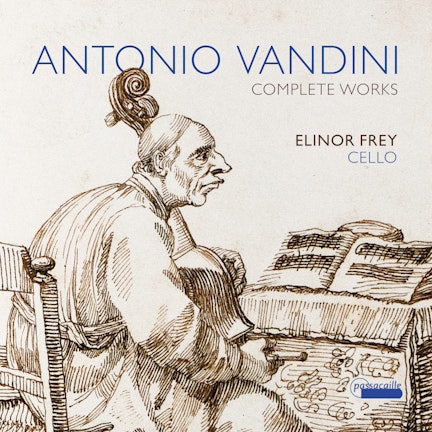
Antonio Vandini: Complete Works
Abel: 6 Sonatas for Viola da Gamba & Bass
Biber: Violin Sonatas
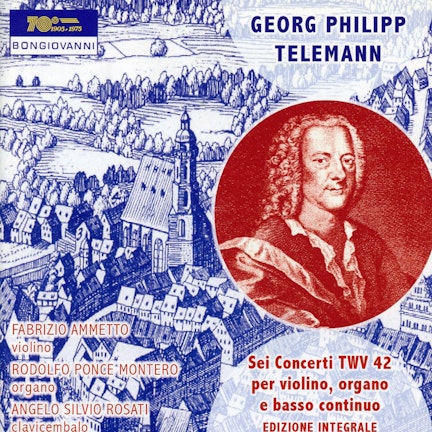
Telemann: 6 Concerti, TWV 42
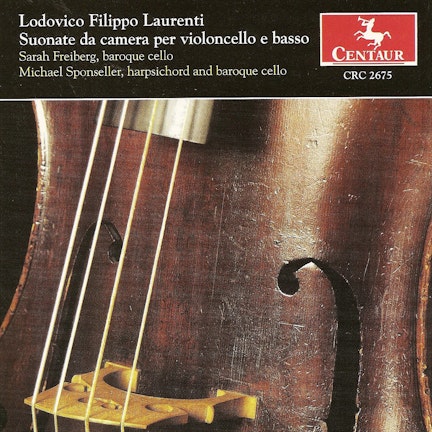
Lodovico, F.L.: Cello Sonatas, Op. 1, Nos. 1-12
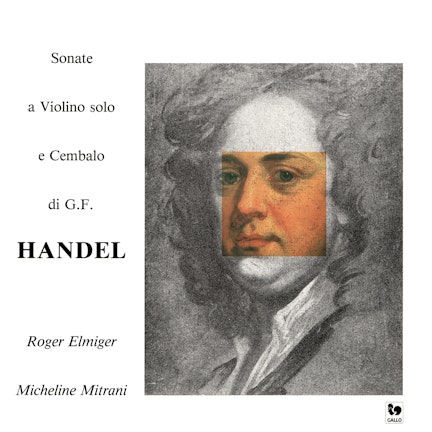
Handel: Violin Sonatas 30-505
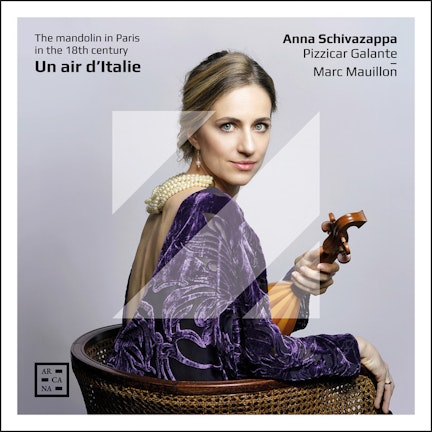
Un Air d’Italie. The Mandolin in Paris in the 18th Century