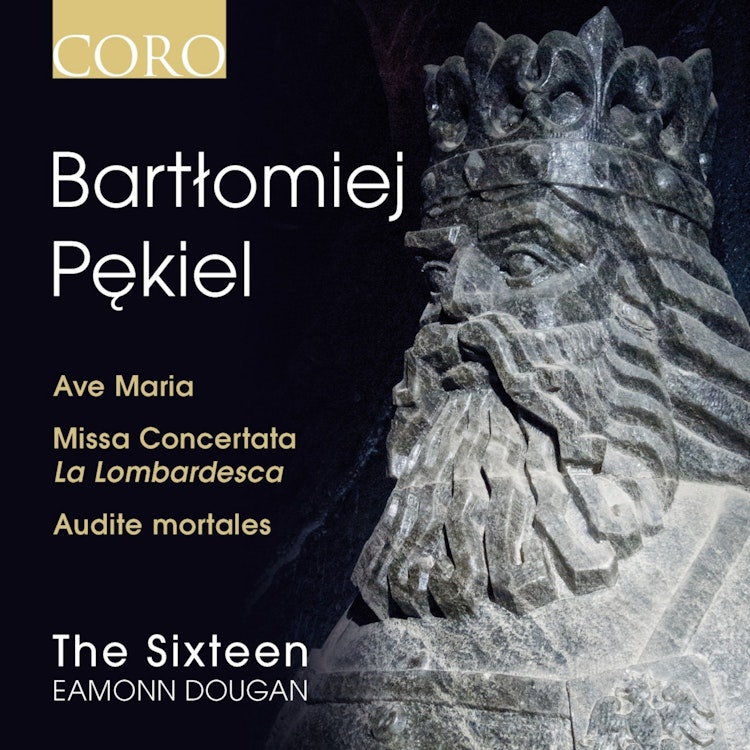
In his stile moderno works, Pękiel broke from Renaissance counterpoint, using more dissonant, expressive styles and the concertato technique to mix voices and instruments.
Composer Biography
Bartłomiej Pękiel was the first non-Italian musician to become the royal maestro di cappella (chapel master) in Poland, setting a benchmark for native Polish musicians.
Compositional Technique
Pękiel's works show connections to eminent composers like Palestrina (polyphonic motets), Monteverdi (expressive Dulcis amor Jesu), and Carissimi (sacred dialogue Audite mortales).
Composer Biography
Pękiel served as organist, then vice chapel master, and finally chapel master for the Polish Vasas in Warsaw, and later as chapel master at Wawel Cathedral in Kraków.
Compositional Technique
Pękiel's religious music exhibits stylistic dualism, featuring both stile antico (Renaissance polyphony) and stile moderno (Italian religious music with concertato technique).
Critical Reception
Pękiel's Audite mortales was so reminiscent of Giacomo Carissimi's style that a copyist once attributed it to Carissimi, a testament to Pękiel's achievement.
Historical Context
In the 17th century, Poland's King Sigismund III Vasa, a strong supporter of the Counter-Reformation, recruited leading Italian composers to his court in Warsaw and Kraków.
You might also enjoy...
Riemuitkaamme!: A Finnish Christmas
I Will Meditate
Earth & Sky: Vaughan Williams Choral Premières
A Golden Age of Portuguese Music
The Unbroken Circle
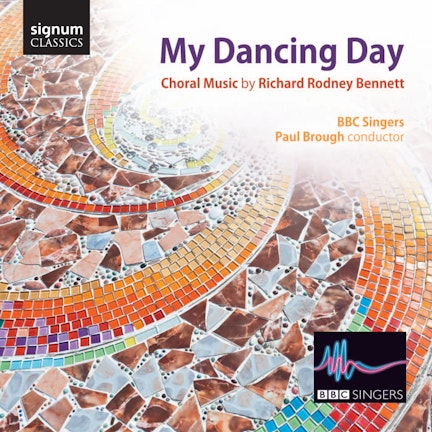
Bennett: My Dancing Day
I Am the Song: Choral Music by Bernard Hughes
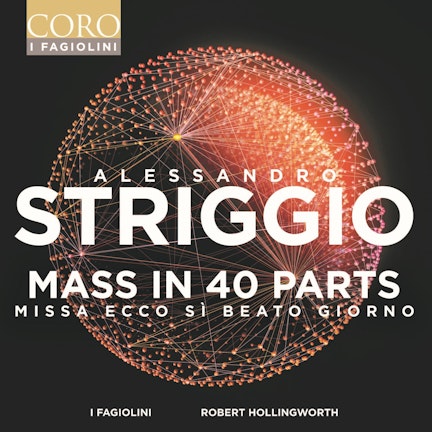
Alessandro Striggio - Mass in 40 Parts
Giordano: Sacred Works
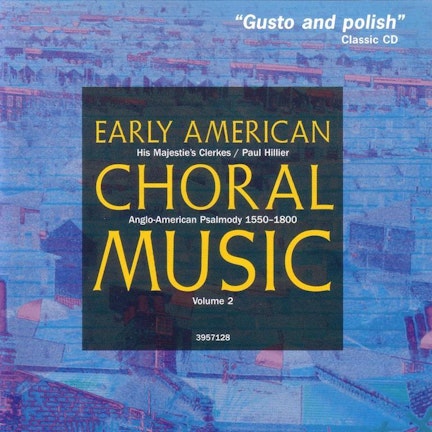
Early American Choral Music, Vol. 2: Anglo-American Psalmody 1550-1800