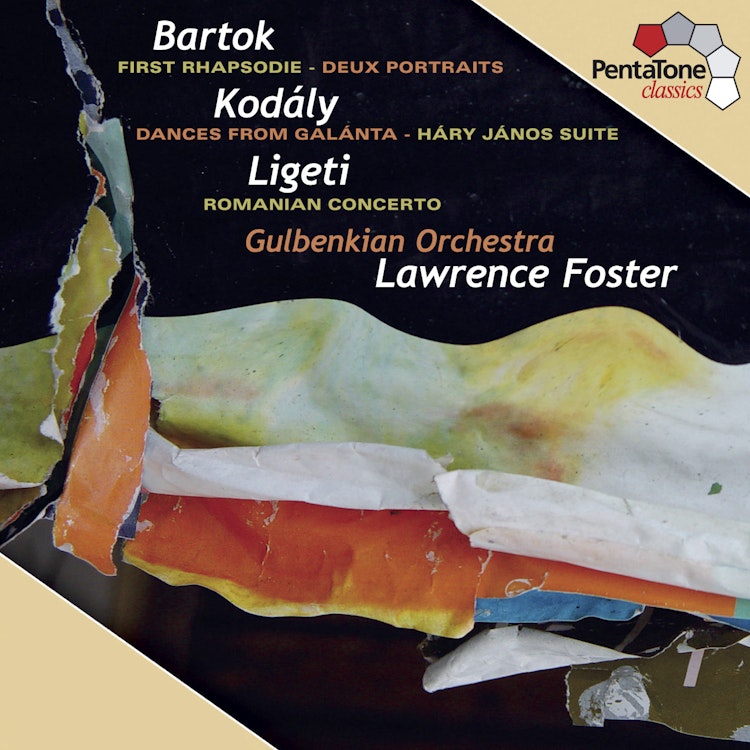
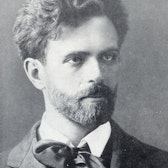
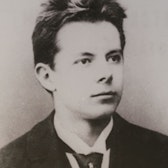
Béla Bartók and Zoltán Kodály, two Hungarian composers, undertook extensive fieldwork with a phonograph to record and study authentic Hungarian, Romanian, and Slovak folk melodies, collecting 16,000 recordings.
Composition History
Kodály's Háry János Suite is extracted from a 'Singspiel' about a boastful Hungarian soldier, Háry János, who tells exaggerated tales of capturing Napoleon and refusing the Emperor's daughter.
Historical Context
In 1859, Franz Liszt, a Hungarian composer, published a book claiming that Hungary's folk music roots lay in gypsy music, a view that was not well-received by many Hungarians.
Composition History
Kodály's Dances from Galánta are based on gypsy melodies published in Vienna around 1800, which were from a famous gypsy orchestra in Galánta, where Kodály spent part of his childhood.
Performer Biography
Lawrence Foster, the conductor, was born in Los Angeles to Romanian parents and has been a major champion of the music of Romanian composer Georg Enescu, serving as Artistic Director of the Georg Enescu Festival.
Composition History
György Ligeti's Concert Românesc (Romanian Concerto) incorporates Romanian folk music he learned to transcribe in 1949, but its performance was prohibited under the Stalinist regime due to its dissonant harmonies.
Composer's Artistic Vision
Béla Bartók used the study of peasant music to escape the dominance of major and minor scales, incorporating ancient modes, pentatonic scales, and diverse rhythms into his new musical idiom.
You might also enjoy...
Kodaly: Orchestral Works
Harty: Orchestral Works
Ernest Ansermet: Decca Recordings 1953/1967
Seiji Ozawa: A Celebration
The Leonard Bernstein Collection - Volume 1 - Part 2