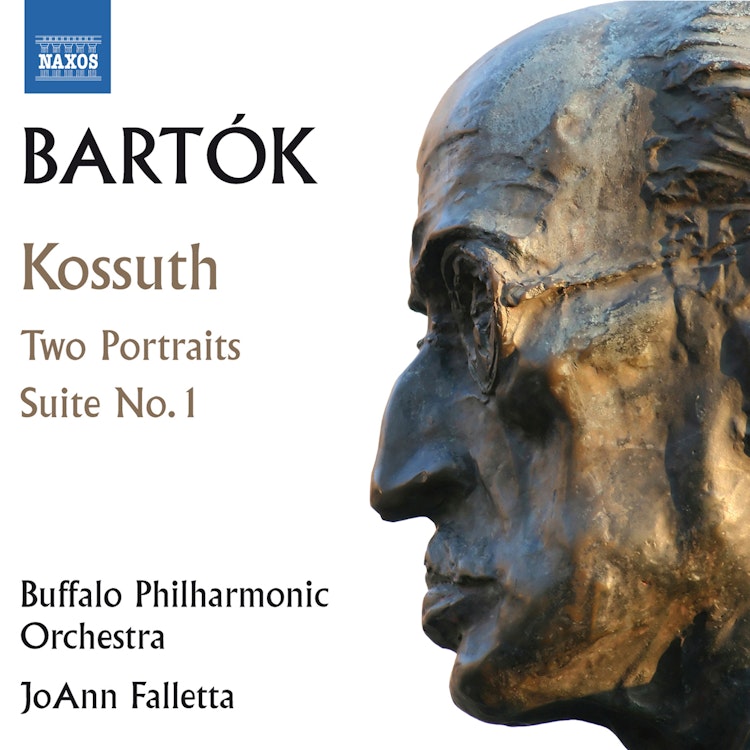
Bartók: Kossuth, 2 Portraits & Orchestral Suite No. 1
3/2/2015, 8 Tracks, 1:09:23
Featuring
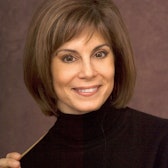
JoAnn Falletta
Michael Ludwig
Buffalo Philharmonic Orchestra
Béla Bartók
Did you know?
1/7
Performer Biography
The Buffalo Philharmonic Orchestra, founded in 1935, is a GRAMMY® Award-winning ensemble and has performed at Carnegie Hall 24 times.
Composer's Artistic Vision
Bartók was greatly inspired by Richard Strauss's Also sprach Zarathustra, which he heard in 1902, leading him to intensively study Strauss's work.
Composition History
Bartók's Two Portraits were inspired by his infatuation with violinist Stefi Geyer; the first portrait uses material from a violin concerto he wrote for her, and the second quotes a piano piece derived from a motif associated with her.
Composition History
Bartók's Kossuth, a narrative tone poem, was composed when he was 22, inspired by the historical figure Lajos Kossuth, a Hungarian freedom fighter.
Critical Reception
Bartók's Suite No. 1, completed in 1905, caused a sensation in Vienna at its premiere, despite the composer noting its 'Hungarianisms'.
Compositional Technique
In Kossuth, Bartók quotes the former Austrian national hymn, Gott Erhalt, which was originally written by Franz Joseph Haydn and is now Germany's national anthem.
Composer Biography
Béla Bartók, the composer, began piano lessons at age five with his mother and later studied at the Budapest Academy of Music.
You might also enjoy...
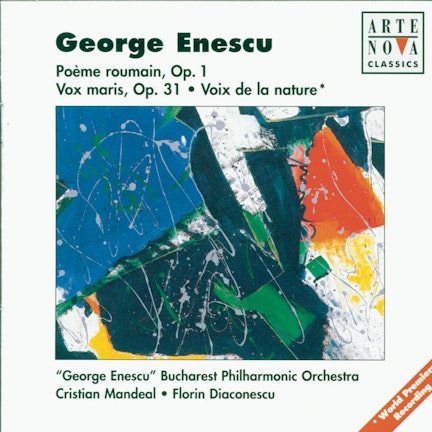
Enescu: Poème Roumain/Vox Maris/Voix De La Nature
American Folklore
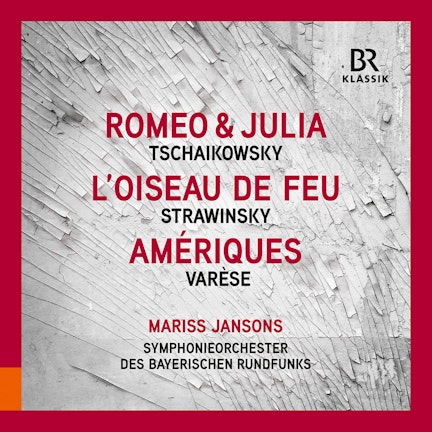
Tchaikovsky, Stravinsky & Varèse: Orchestral Works (Live)
Hindemith: Orchestral Works
Hindemith: Mathis Der Maler / Symphonic Metamorphosis
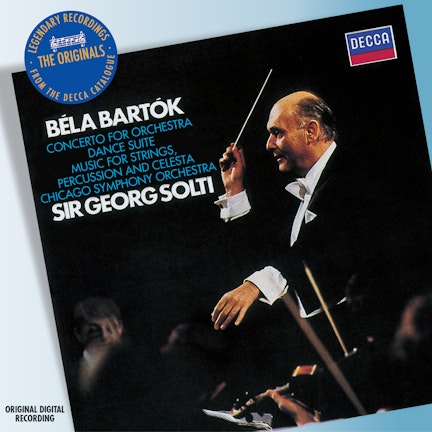
Bartok: Concerto for Orchestra etc
Casella: Orchestral Works
German: Symphony No. 2 in A Minor "Norwich"
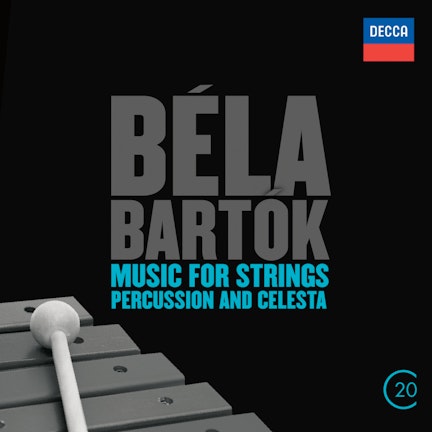
Béla Bartók: Music For Strings, Percussion & Celesta
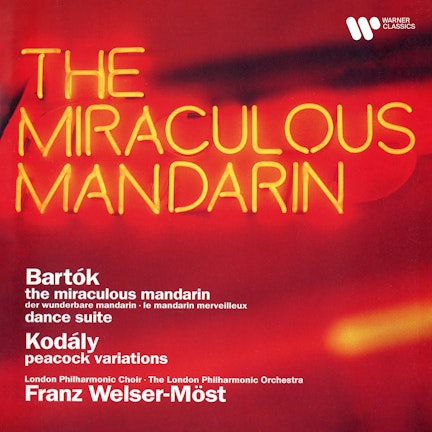
Bartók: The Miraculous Mandarin & Dance Suite - Kodály: Peacock Variations
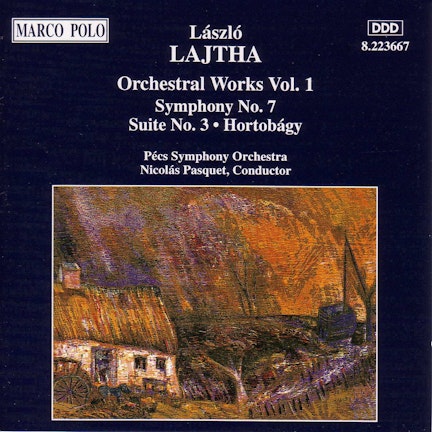
Lajtha: Symphony No. 7 / Suite No. 3 / Hortobagy
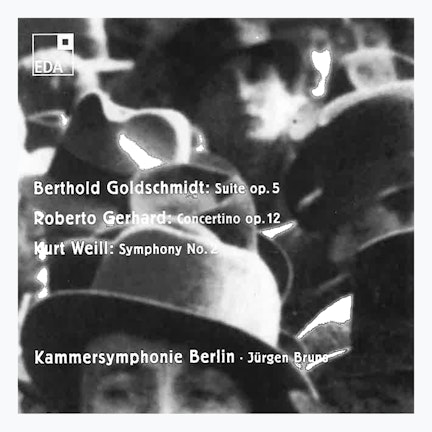
Berthold Goldschmidt: Suite Op. 5 / Roberto Gerhard: Concertino Op. 12 / Kurt Weill: Symphony No. 2