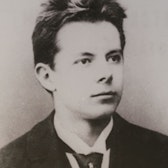
From 1905, with the help of his friend and colleague Zoltán Kodály, Bartók began collecting music from Magyars and other ethnic groups in Hungary, including Slovakian and Romanian.
Composer Biography
Béla Bartók's musical life was divided between composition, ethnomusicology, performance, and piano pedagogy, with his performing and teaching often driven by financial necessity.
Composer Biography
Bartók could trace his piano lineage back to Franz Liszt through his teacher, István Thomán, who had studied with Liszt.
Composition History
In 1904, Bartók discovered traditional rural music, which he found to be quite different from the urban music he had previously thought was authentic Hungarian folk music.
Performer Biography
Cédric Tiberghien, the pianist on this recording, has an international career performing in prestigious halls across five continents and has a strong reputation for his recital repertoire.
Compositional Technique
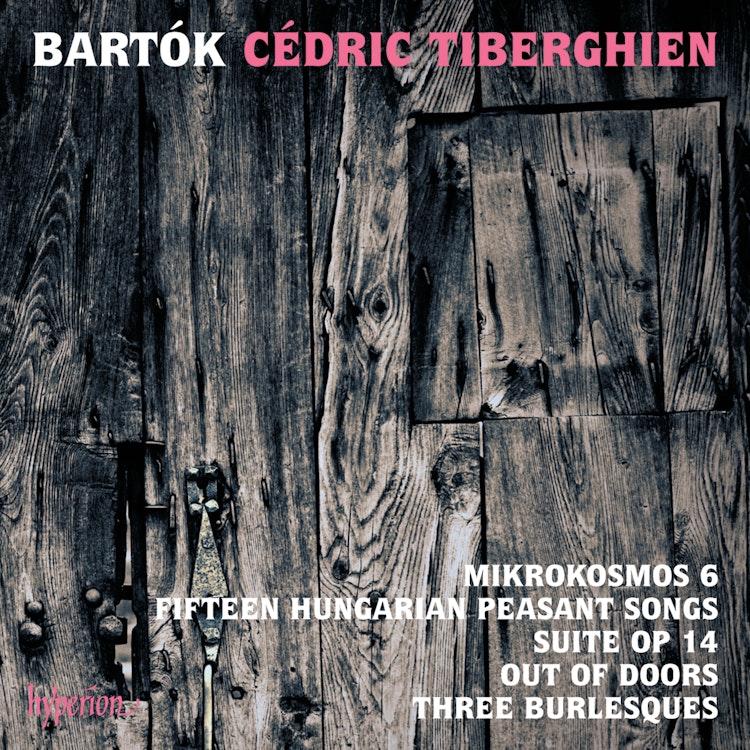
Bartók's Mikrokosmos, a 'musical world in miniature' completed in 1939, is a six-volume collection designed to take pianists from their very first steps to the concert stage.
Compositional Technique
The Six dances in Bulgarian rhythm, dedicated to English pianist Harriet Cohen, use additive rhythms with special time signatures like 4+2+3, reflecting Bartók's research into Romanian music.
You might also enjoy...
Bartok: Piano Works
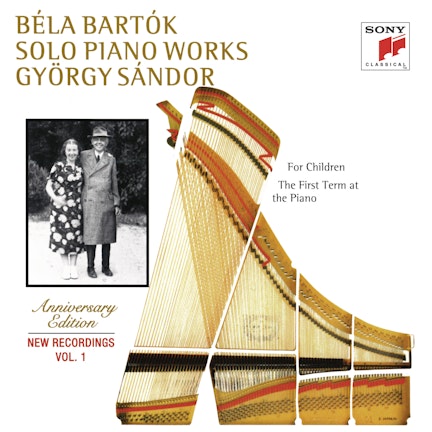
Bartók: For Children & The First Term at the Piano
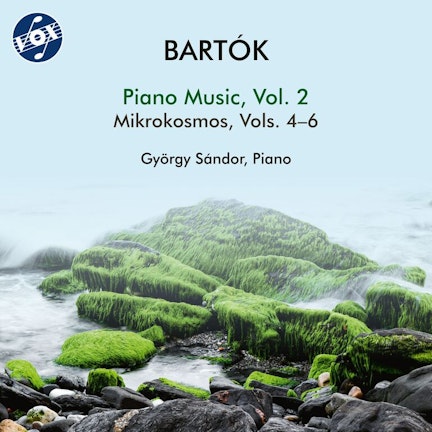
Bartók: Piano Music, Vol. 2
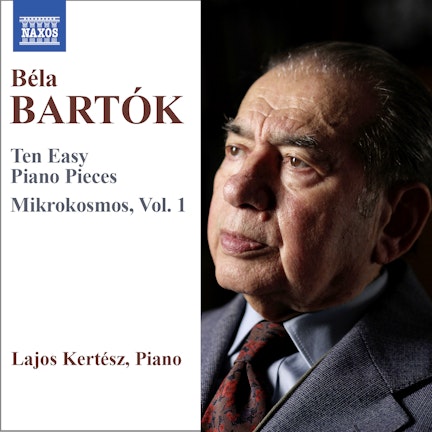
Bartók: 10 Easy Piano Pieces & Mikrokosmos, Vol. 1
Bartók : Gyermekeknek [For Children]
Bartók: Piano Music, Vol. 3
Improvisations on Hungarian Peasant Songs, Op. 20, Sz. 74