Variation was a key principle for Bartók, stemming from his work as a scholar collecting and analyzing folk music, which showed him how melodies appeared in different versions across villages.
Composition History
Bartók wrote the piano concertos for himself and his second wife, Ditta Pásztory-Bartók, to generate income, as he was obliged to tour as a composer-performer due to economic hardship.
Composition History
Bartók composed his Piano Concerto No. 3 in the summer of 1945, working rapidly while aware he was dying, intending to leave a legacy for his wife.
Compositional Technique
Bartók's Piano Concerto No. 1 incorporates elements from Stravinsky's Concerto for Piano and Wind, Henry Cowell's clusters (bunches of adjacent notes), and even hints of jazz.
Historical Context
Bartók's last appearance in Germany was on January 23, 1933, for the premiere of his Piano Concerto No. 2, just one week before Hitler took power.
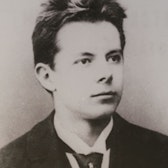
Composer Biography
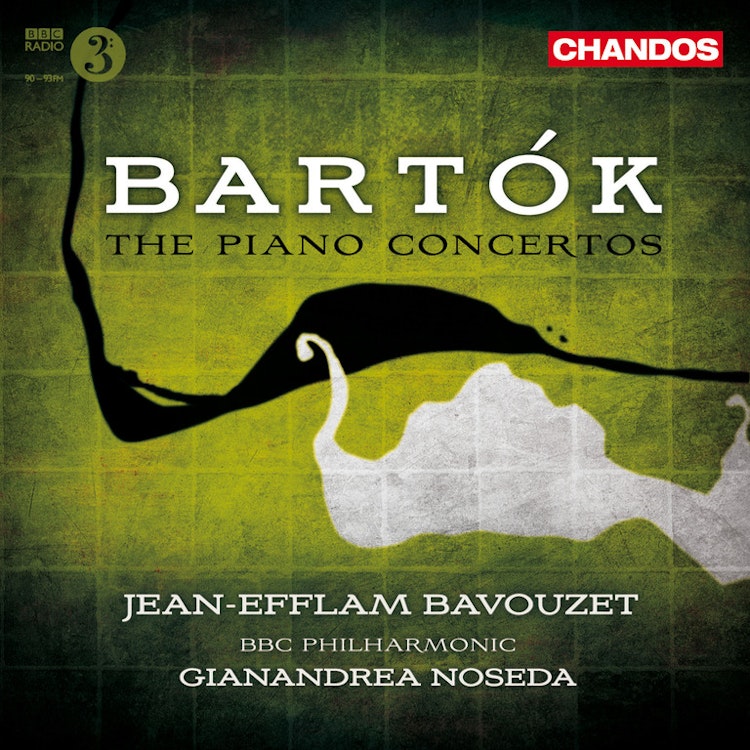
Béla Bartók, a Hungarian composer, wrote half of his orchestral output as concertos, including the three piano concertos on this album.
Recording & Production
This recording adheres to Bartók's specific requests for the First Piano Concerto, including placing timpani and percussion directly behind the piano and using fewer strings than usual for clarity.
You might also enjoy...
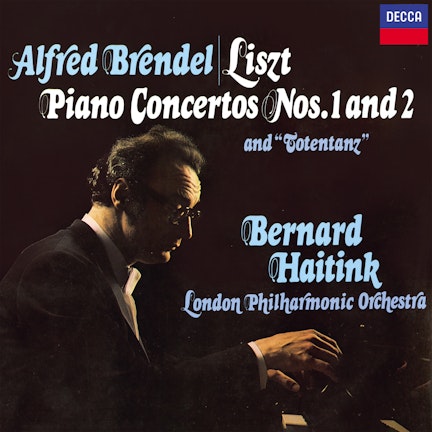
Liszt: Piano Concertos Nos. 1 & 2
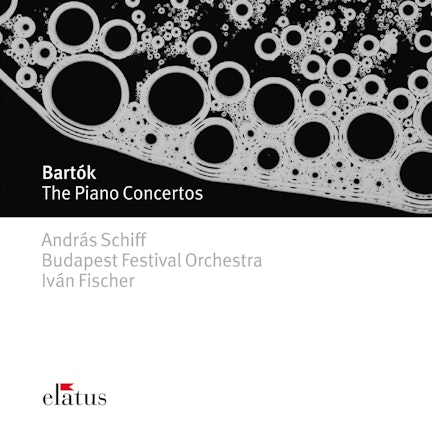
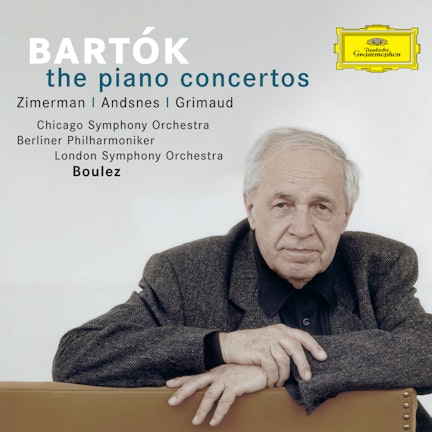
Bartók: The Piano Concertos
Bartók : Piano Concertos Nos 1 - 3
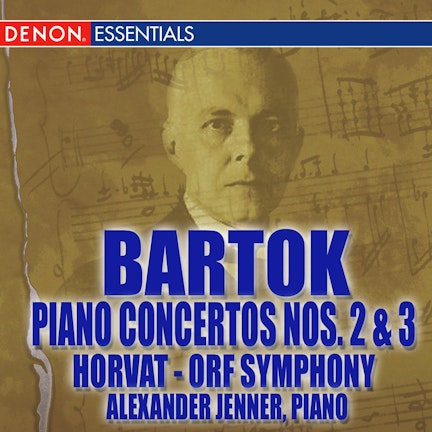
Bartok: Piano Concertos Nos. 2 & 3
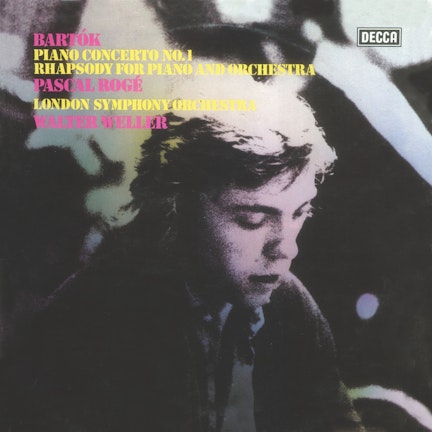
Bartók: Piano Concertos Nos. 1-3
Bartók: The Piano Concertos
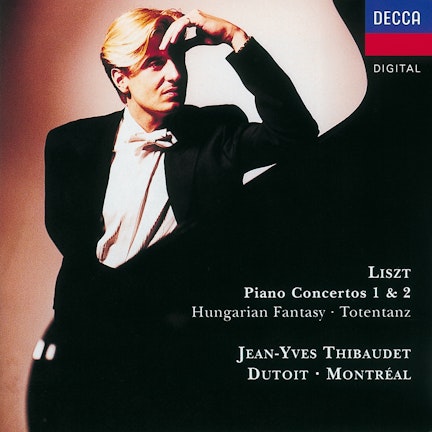
Liszt: Piano Concertos Nos. 1 & 2; Totentanz
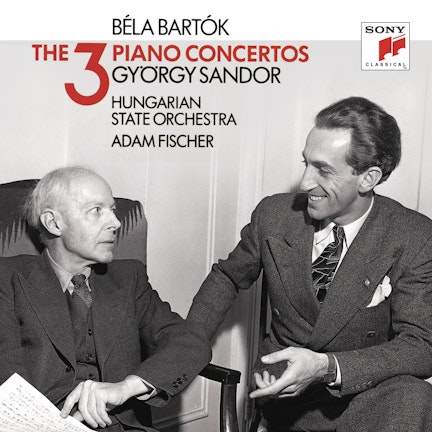
Bartók: The 3 Piano Concertos
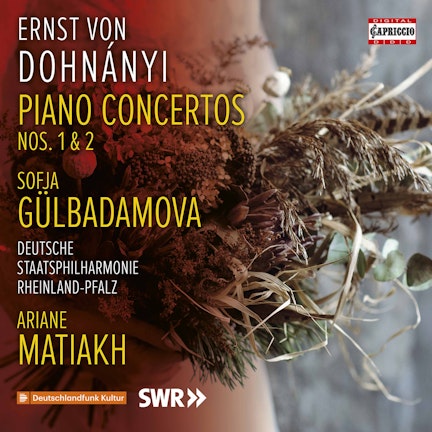
Dohnányi: Piano Concertos Nos. 1 & 2
Liszt: Piano Concerto Nos.1 & 2/Fantasia on Hungarian Folk Themes etc.
Liszt: Piano Concero Nos 1 & 2 + Hungarian Fantasie