Bartók's Piano Sonata (1926) reinterprets Viennese Classical sonata forms, using short, rhythmic motifs and dense counterpoint rather than long melodic lines.
Composer Biography
Béla Bartók, born in Hungarian territory that became part of Romania in 1920, died in American exile in 1945, a few weeks after World War II.
Composer's Artistic Vision
In the Dance Suite, Bartók aimed to express his ideal of fraternisation between peoples, blending elements from Hungarian, Romanian, and Arab folklore without direct thematic borrowing.
Composer's Artistic Vision
Bartók's immersion in peasant music was a significant aesthetic shock that allowed him to break away from the post-Romanticism of Richard Strauss.
Compositional Technique
The Fourteen Bagatelles (1908) laid the foundations for Bartók's mature musical language, influenced by Debussy and folksong.
Composition History
The Dance Suite was commissioned in 1923, along with works from Zoltán Kodály and Ernő Dohnányi, to celebrate the 50th anniversary of Budapest's formation.
Compositional Technique
Bartók's piano music often features a percussive playing style, inspired by vigorous Hungarian dances, which became a trademark.
You might also enjoy...
Bartók: Piano Music, Vol. 4
Bartók: Complete Works for Piano Solo, Vol. 1 – The Mature Bartók
Bartok: Piano Music, Vol. 1: Suite for Piano - 7 Sketches - Piano Sonata
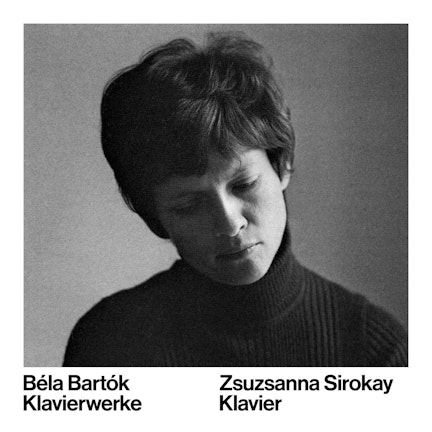
Béla Bartók - Klavierwerke (Reissue)
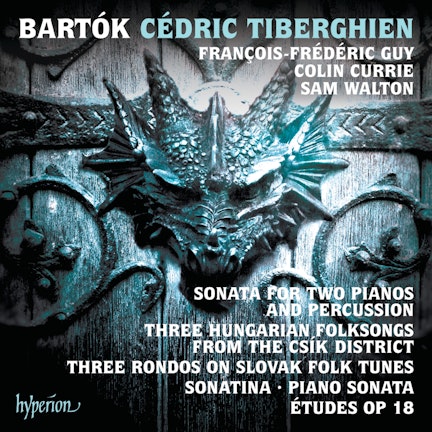
Bartók: Sonata for 2 Pianos and Percussion & Other Piano Music
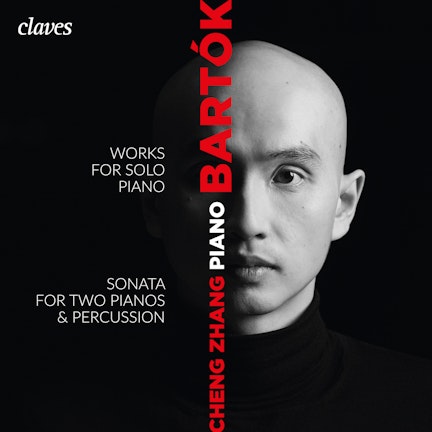
Bartók: Works for Solo Piano, Sonata for Two Pianos & Percussions
Bartók: Piano Music, Vol. 9
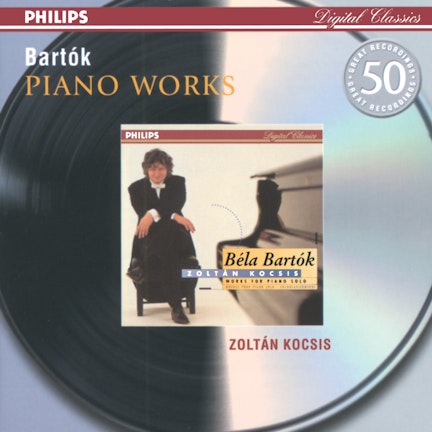
Bartók: Piano Works
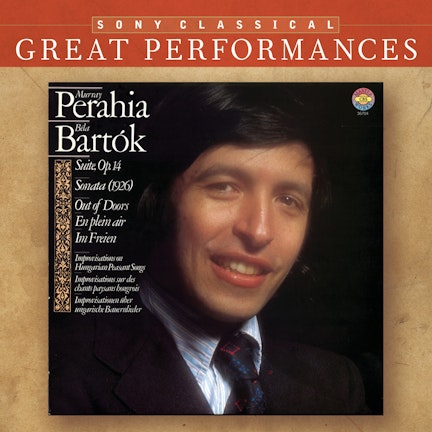
Bartók: Sonata; Improvisations on Hungarian Peasant Songs; Suite; Out of Doors; Sonata for Two Pianos and Percussion [Great Performances]
Bartók: Piano Works
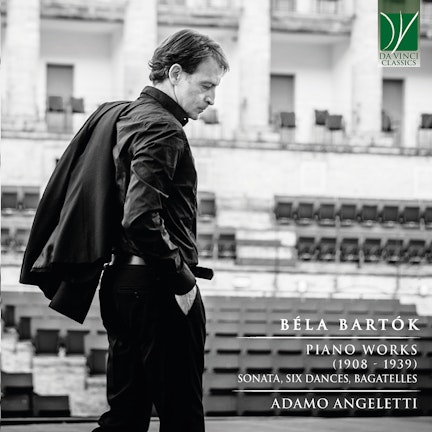
Bartok: Piano Music (1908 - 1939)
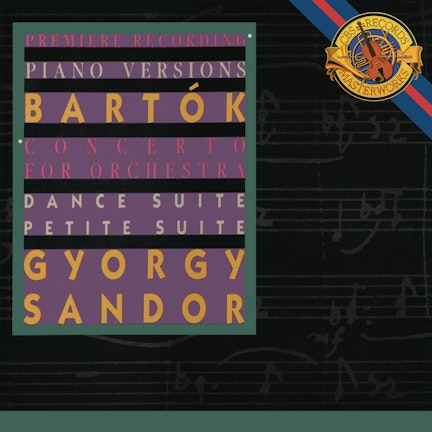
Bartók: Concerto for Orchestra & Petite Suite & Dance Suite