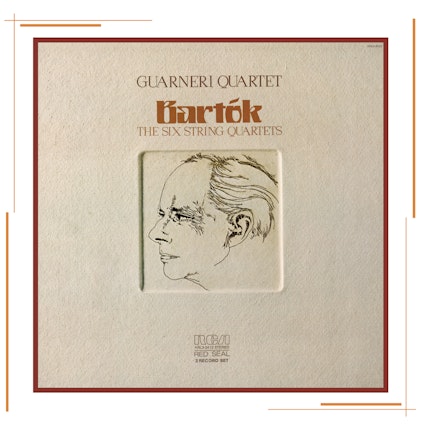
Unlike earlier composers like Dvořák, Béla Bartók and Zoltán Kodály went into the field to collect folk music, focusing on the subtle inflections of individual performances.
Recording & Production
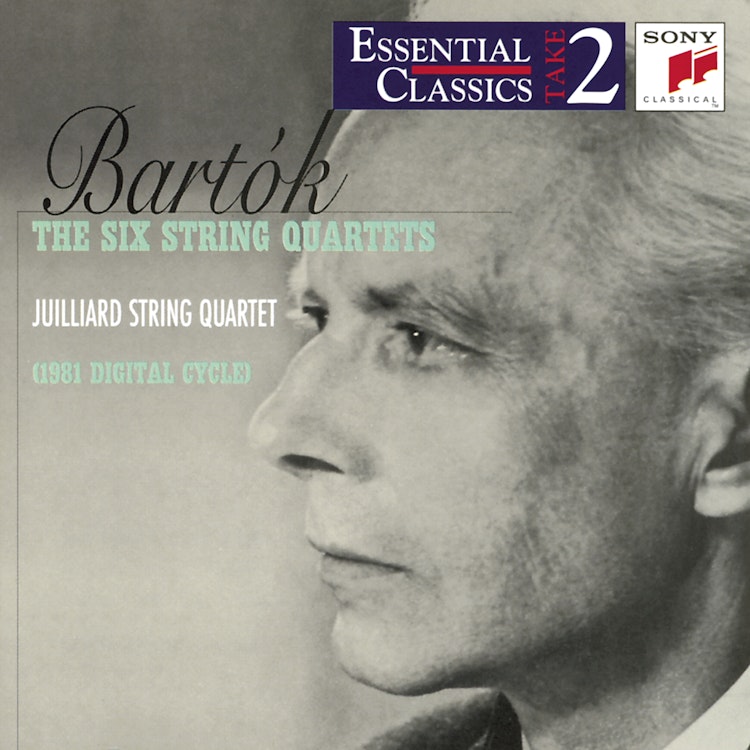
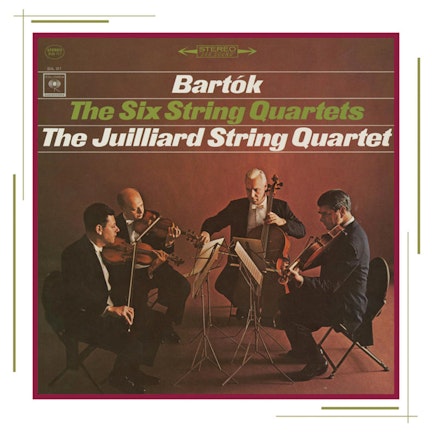
This album features the Juilliard String Quartet, recorded in May 1981 at Columbia 30th Street Studios in New York City.
Composer's Artistic Vision
Throughout all six string quartets, Bartók's ethnographic experiences, including influences from Muslim regions and Slovak traditions, are evident.
Composer's Artistic Vision
Bartók and Kodály integrated folk styles into their compositions and also demanded that Western classical players learn the instrumental techniques of their folk music counterparts.
Compositional Technique
Bartók's compositional style evolved from being influenced by Richard Strauss to a sophisticated, almost nontonal approach, juxtaposing dense textures with austere beauty.
Composer's Artistic Vision
Bartók's string quartets reflect his ethnomusicological research and his evolving voice as a composer in the Western classical tradition.
Compositional Technique
Bartók's music, unlike Dvořák's, is characterized by an almost angular rhythmic precision, reflecting his enthrallment with the content of Hungarian folk music.
You might also enjoy...
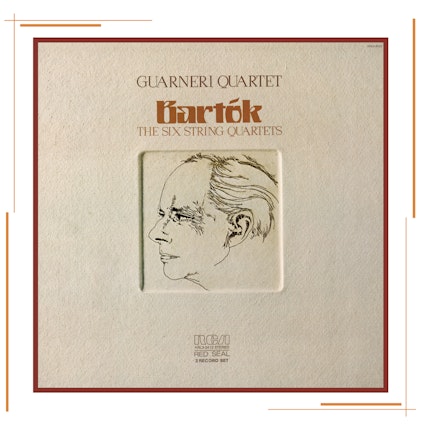
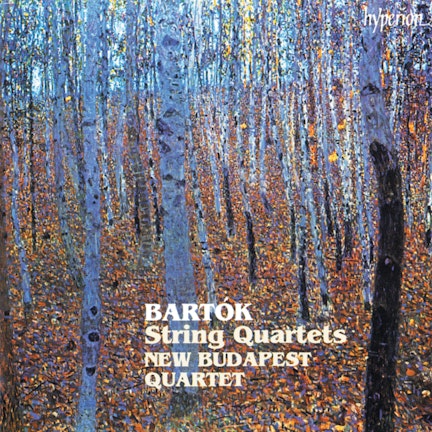
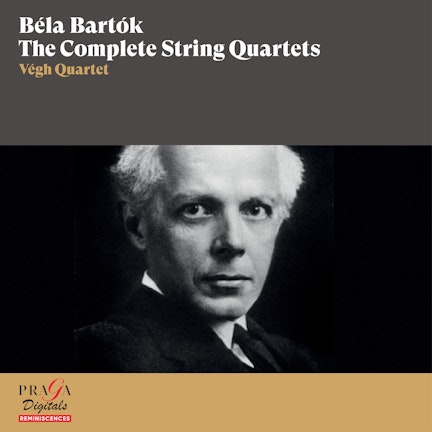
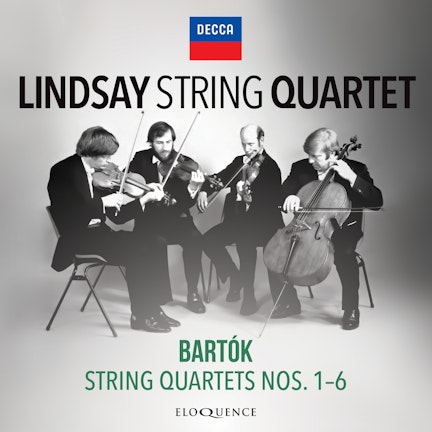
Bartok: String Quartets (Complete)
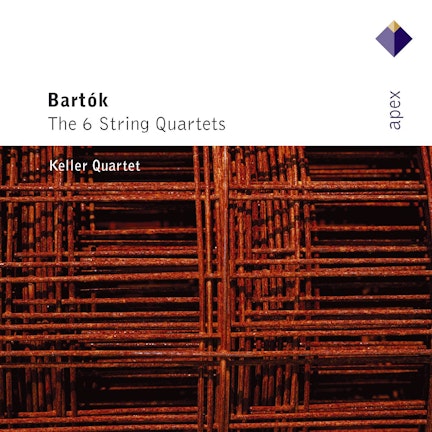
Bartók: String Quartets
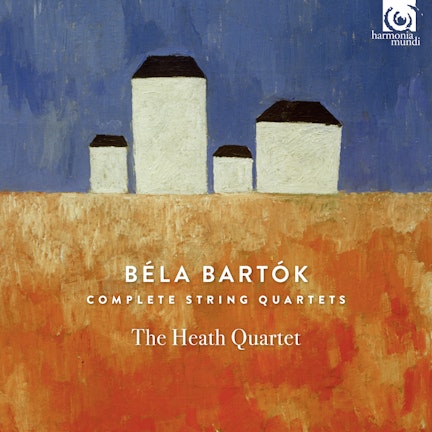
Bartok: Complete String Quartets
Bartok: Complete String Quartets
Bartók : String Quartets Nos 1 - 6 [Complete]
Bartók String Quartets 1-6
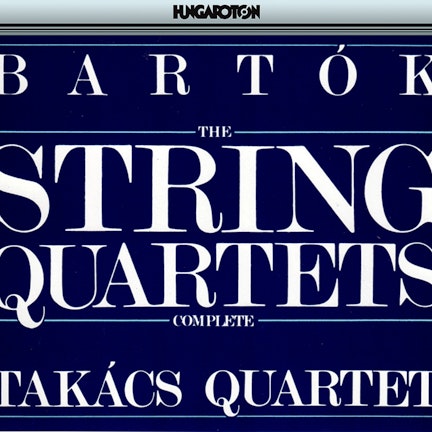
Bartok: The String Quartets
Bartok: The Complete String Quartets - The 1963 Stereo Recordings