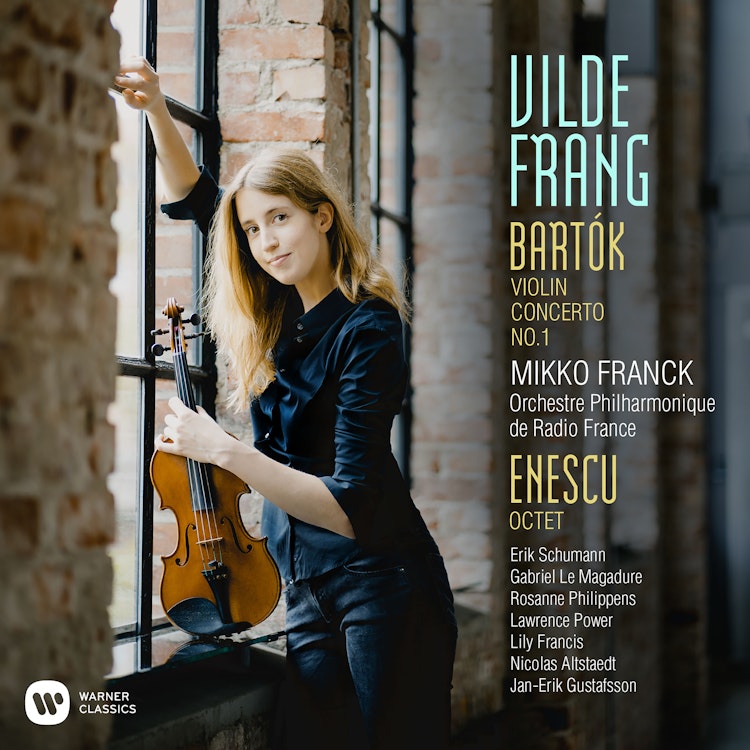
Enescu's Octet for Strings was initially deemed "too incomprehensibly modernistic" and its premiere was cancelled after five rehearsals, delaying its public debut by almost a decade.
Composer Biography
Enescu's earliest musical influences were Romanian liturgical music and Romanian folk music, which he described as having a "special character of sadness in the midst of happiness."
Composer Biography
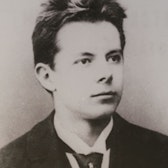
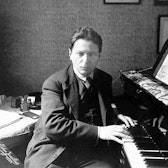
George Enescu, composer of the Octet for Strings, was considered one of the greatest violinists of his day, but also a gifted pianist, conductor, and composer.
Composition History
Bartók's Violin Concerto No. 1 was not published until 1958, a year after Enescu's death and a decade after Bartók himself passed away, due to Stefi Geyer keeping the manuscript until her death.
Composer's Artistic Vision
Enescu described himself as "essentially a polyphonic composer" who abhorred stagnation, rather than a composer focused on "pretty chords joined together."
Composer Biography
Enescu, a child prodigy, was admitted to the Vienna conservatory at age seven and gave a private recital for Emperor Franz Joseph at age ten.
Composition History
Béla Bartók's Violin Concerto No. 1 was written for violinist Stefi Geyer, with whom he was deeply in love, and its opening motif was her leitmotif.
You might also enjoy...
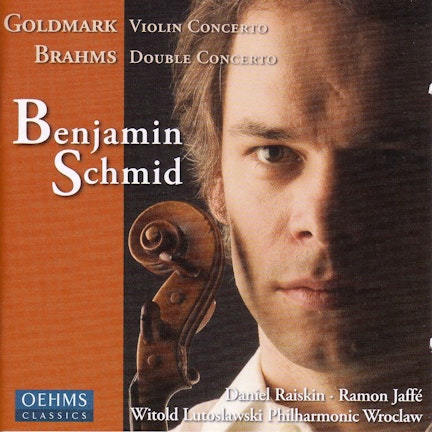
Goldmark: Violin Concerto No. 1 / Brahms: Double Concerto for Violin and Cello
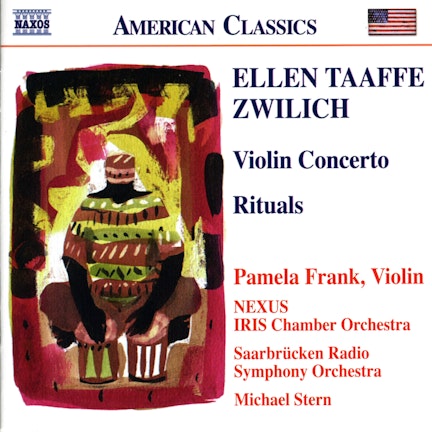
Zwilich: Violin Concerto / Rituals
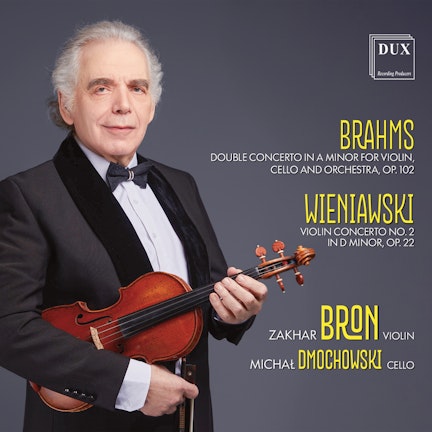
Brahms: Double Concerto in A minor for Violin, Cello and Orchestra, Op. 102 Wieniawski: Violin Concerto No. 2 in D minor, Op. 22
Bernstein & Schnittke
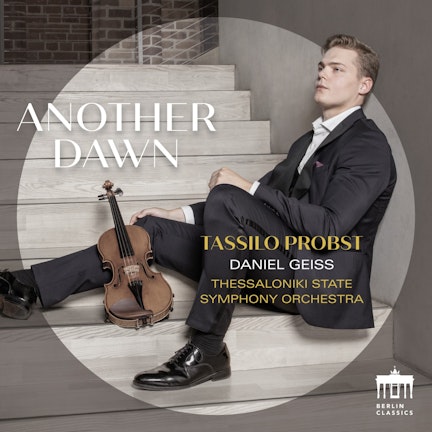
Another Dawn
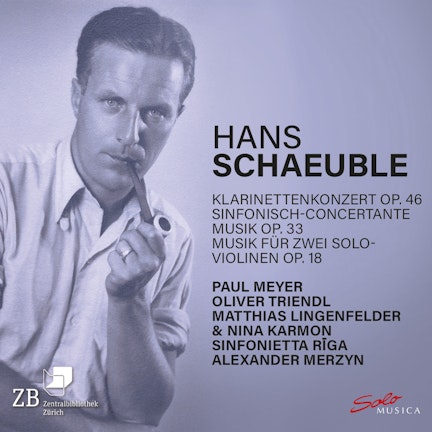
Klarinettenkonzert op. 46 - Sinfonisch-Concertante Musik op. 33 - Musik für zwei Soloviolinen op. 18
Halvorsen: Passacaglia for Violin and Viola, Op. 20 No. 2 (After Handel, Suite in G Minor, HWV 432) (Performed on Violin & Cello)
Isaac Stern plays Bartók
Pieces of Wood: II
Bando: Concerto hongrois pour violon et orchestre
Vasks: Concerto No. 2 for Violin and String Orchestra "In Evening Light"