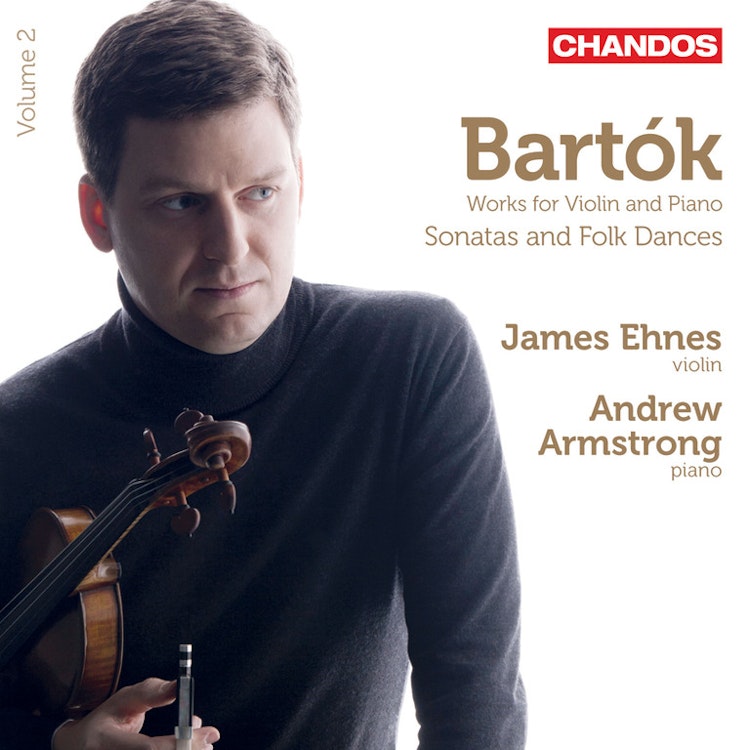
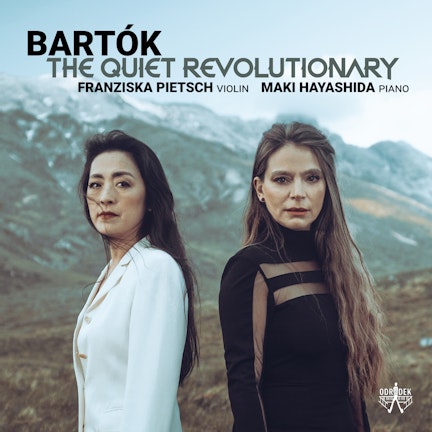
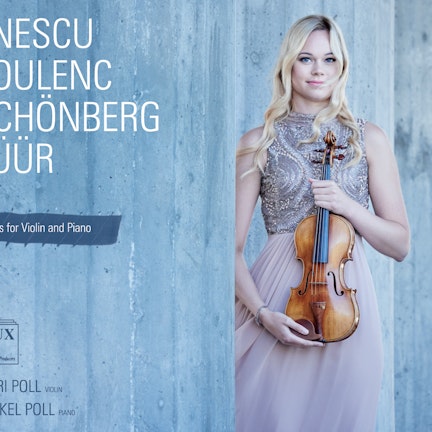
This album was recorded using 24-bit / 96 kHz technology, which offers a dynamic range up to 48 dB greater and 256 times the resolution of standard 16-bit recordings.
Composition History
The Sonata for Solo Violin was commissioned by Yehudi Menuhin, an artist born in New York, after Bartók heard him perform his First Violin Sonata and Bach's Sonata in C.
Composer's Artistic Vision
Bartók's interest in folk music, particularly from rural Hungary and Romania, became essential to his creativity, influencing works like the Romanian Folk Dances.
Composition History
Béla Bartók's Sonata for Solo Violin was his last completed work and his most challenging for the instrument.
Composition History
The Violin Sonata in E minor was set aside by Bartók after its 1904 performance with Jenő Hubay, a distinguished Hungarian musician, and was not heard or published again until the 1960s.
Compositional Technique
Bartók's Sonata for Solo Violin was modeled after Bach's solo violin works, particularly the G minor sonata, sharing its tonality, a fugue as the second movement, and a slow third movement in B flat.
Critical Reception
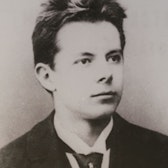
Bartók's Violin Sonata in E minor, composed in 1903, was praised by a critic at its premiere as the work of a "phenomenal young genius" destined for a great role in Hungarian music.