The album also draws from the anonymous Uhrovska manuscript from 1730, which contains dance tunes like hungaresca and olacs, reflecting the musical practices of Romany people in Eastern Europe.
Composer Biography
Telemann was fascinated by the folk music he heard, noting that an attentive listener could gather enough musical ideas for a lifetime in just eight days.
Compositional Technique
Telemann incorporated Polish musical styles into his compositions, including the polonaise, faster duple-time dances, and pieces based on drones, giving his work a distinctive character.
Composer's Artistic Vision
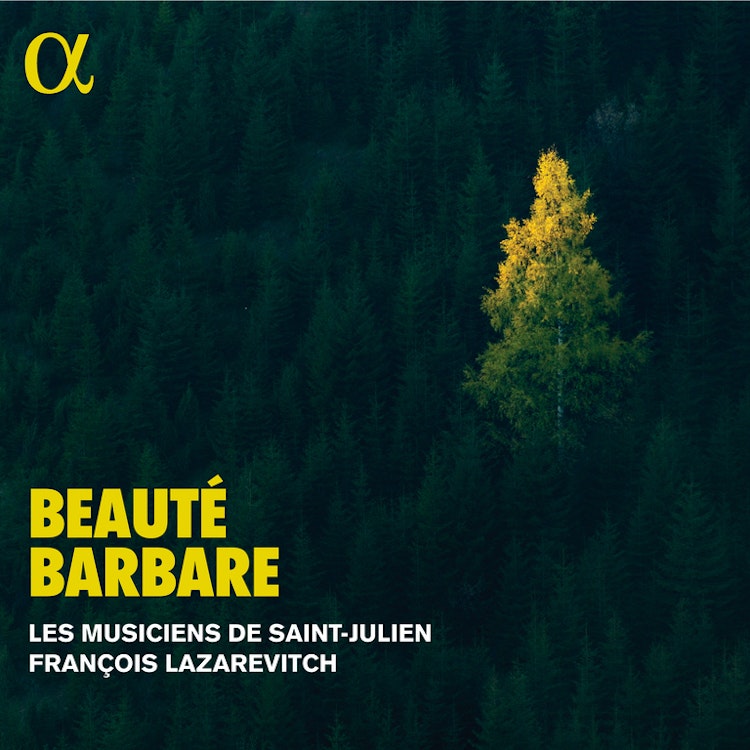
Georg Philipp Telemann, a composer featured on this album, described the Polish and Hanack music he encountered in 1705 as having "true barbarous beauty."
Composition History
A manuscript in the Rostock library contains Polish dances written by Telemann himself, providing evidence of the folk music he heard and collected.
Instruments
The album features a diverse range of instruments, including a Serbian frula, a Romanian fluier, bagpipes, an archlute, a cittern, and Eastern European percussion like the baraban.
Interpretation
The ensemble, Les Musiciens de Saint-Julien, aims to recreate the spirit and energy of this music rather than a musicological reconstruction, blending traditional and classical styles.
You might also enjoy...
Festive Trumpets for Christmas
Dance!
Roots
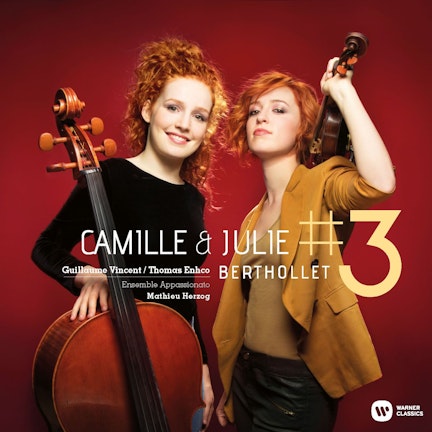
#3
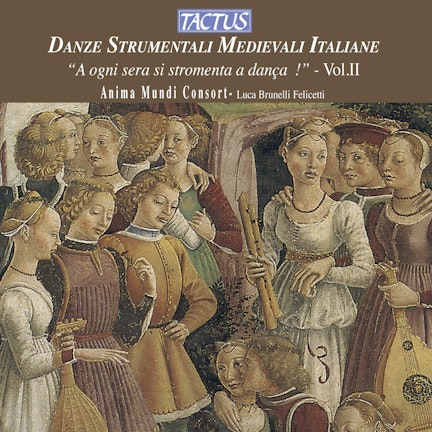
Danze Strumentali Medievali Italiane, Vol. 2
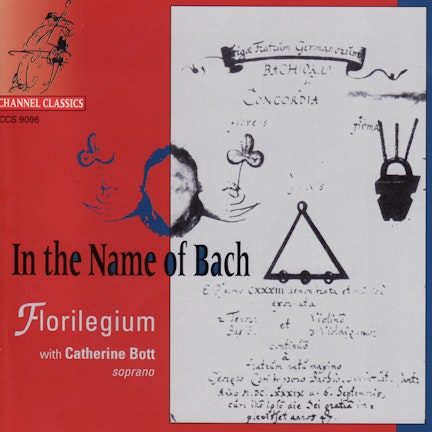
In the Name of Bach
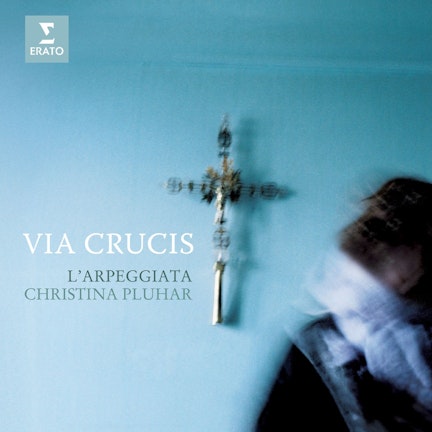
Via Crucis
For Seasons
The Art of the Trumpet
Le Domaine Musical
Morley, T.: Joyne Hands / Akeroyde, S.: Jenny, My Blithest Maid / Nicholson, R.: the Jewes Dance (Tunes From the Attic)